
Key Takeaways
Properly managing your vehicle’s engine requires awareness of timing chain health and performance degradation over time.
- The timing chain serves as a foundational component for synchronizing camshaft and crankshaft rotation.
- Early mechanical alerts like audible chain slap often precede catastrophic engine failure.
- Regular maintenance schedules for engine oil are critical to preventing premature component wear.
- Professional service providers offer tiered pricing based on parts quality and regional labor markets.
- Comprehensive inspection protocols assist engines in avoiding synchronization errors and potential internal damage.
Understanding the impact of timing chain failure
How the timing chain functions in the engine
The timing chain acts as the primary mechanical link between your engine’s crankshaft and camshaft. By maintaining precise synchronization, it ensures that your intake and exhaust valves move in perfect harmony with the pistons. This synchronization is foundational to how a combustion engine manages air intake and exhaust cycles throughout your daily drive.
Warning signs of a stretched or failing chain
Drivers often notice subtle acoustic changes before a total failure occurs. You might hear an metallic, repetitive ticking sound that escalates with engine RPM. Recognizing these early warning signs of a stretched or failing chain can save you from an total engine overhaul if addressed quickly.
The risks of catastrophic engine failure
If a chain snaps while the engine is under load, the resulting collision between pistons and valves can destroy internal architecture. This severe damage is famously known as interference in modern designs, often necessitating a complete engine replacement rather than a simple repair. Prevention is always more cost-effective than handling such drastic mechanical breakdowns.
Differences between chain failure and belt failure symptoms
Timing belts are typically rubber-based and prone to snapping without much audible warning once they reach their age limit. Conversely, metallic chains often provide prolonged acoustic indicators, such as rattling or buzzing, as the metal links stretch over thousands of miles. Distinguishing these symptoms helps owners anticipate when they need a Land Rover inspection.
Identifying common timing chain issues by engine model
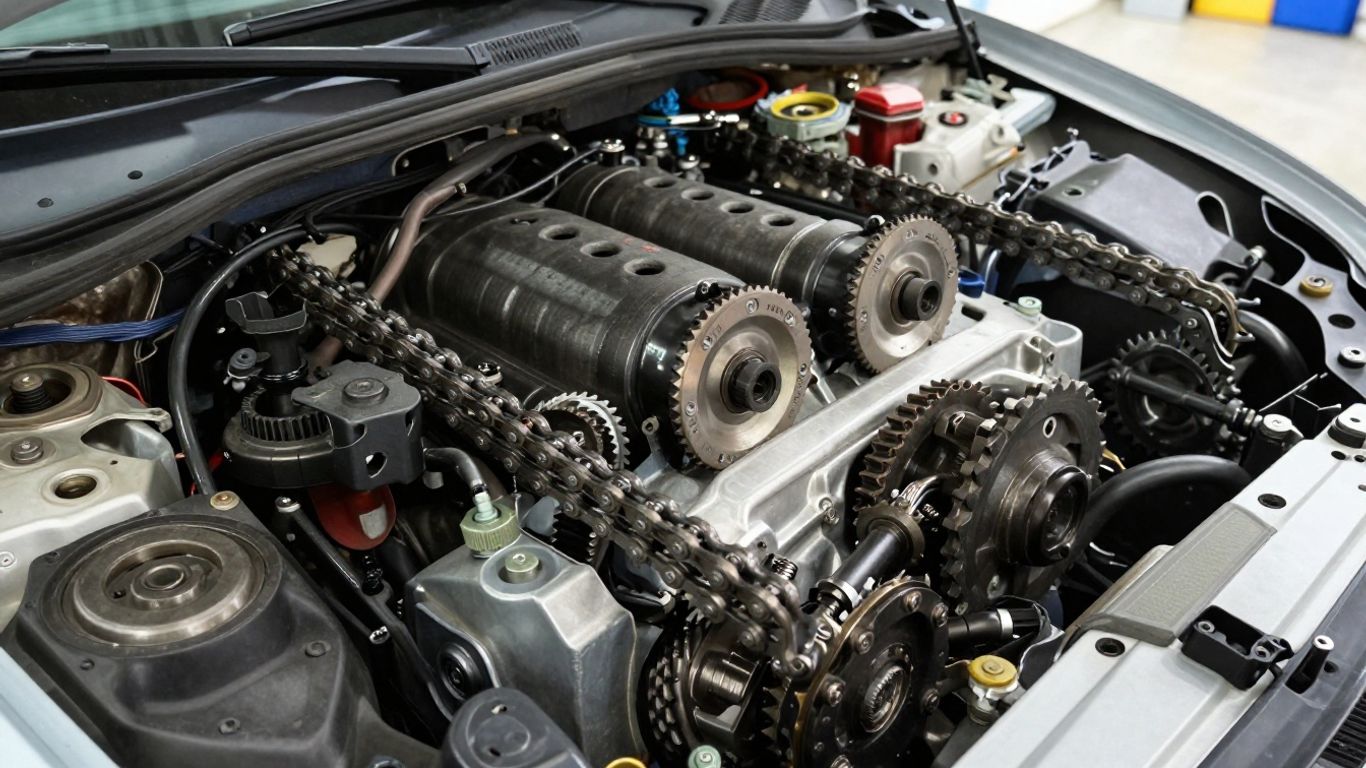
Troubles with the 5.0L V8 supercharged engine
The high-performance architecture of the supercharged V8 presents unique stresses on the timing apparatus. These engines operate at higher internal pressures, which can accelerate the wear rates of chain guides and tensioners over time. Consistent monitoring of these specific high-stress components remains essential for performance stability.
Specific challenges for modern diesel variants
Diesel engines introduce different torque profiles that impact how the chain tensioner operates during cold starts. High-compression cycles place a distinct burden on the guides, often leading to earlier elongation periods compared to their gasoline counterparts. Maintaining a strict focus on oil film integrity is the best strategy here.
Known manufacturing defects in specific model years
Some production windows encountered specific metallurgical or design quirks that increased the likelihood of early chain fatigue. It is beneficial for owners to check if their specific engine series is linked to any historical bulletins or manufacturer advice regarding internal timing wear. Proactive steps at these intervals help mitigate risks before they manifest as mechanical noise.
How engine layout affects repair accessibility
Because many luxury engines are shoehorned into compact engine bays, reaching the rear-mounted timing hardware can be labor-intensive. Technicians often need to remove peripheral aggregates like cooling fans or accessory brackets just to gain visual confirmation of the chain status. This architectural difficulty explains why the repair bill reflects significant labor hours.
Estimating the cost of a professional replacement
Labor time and mechanical complexity benchmarks
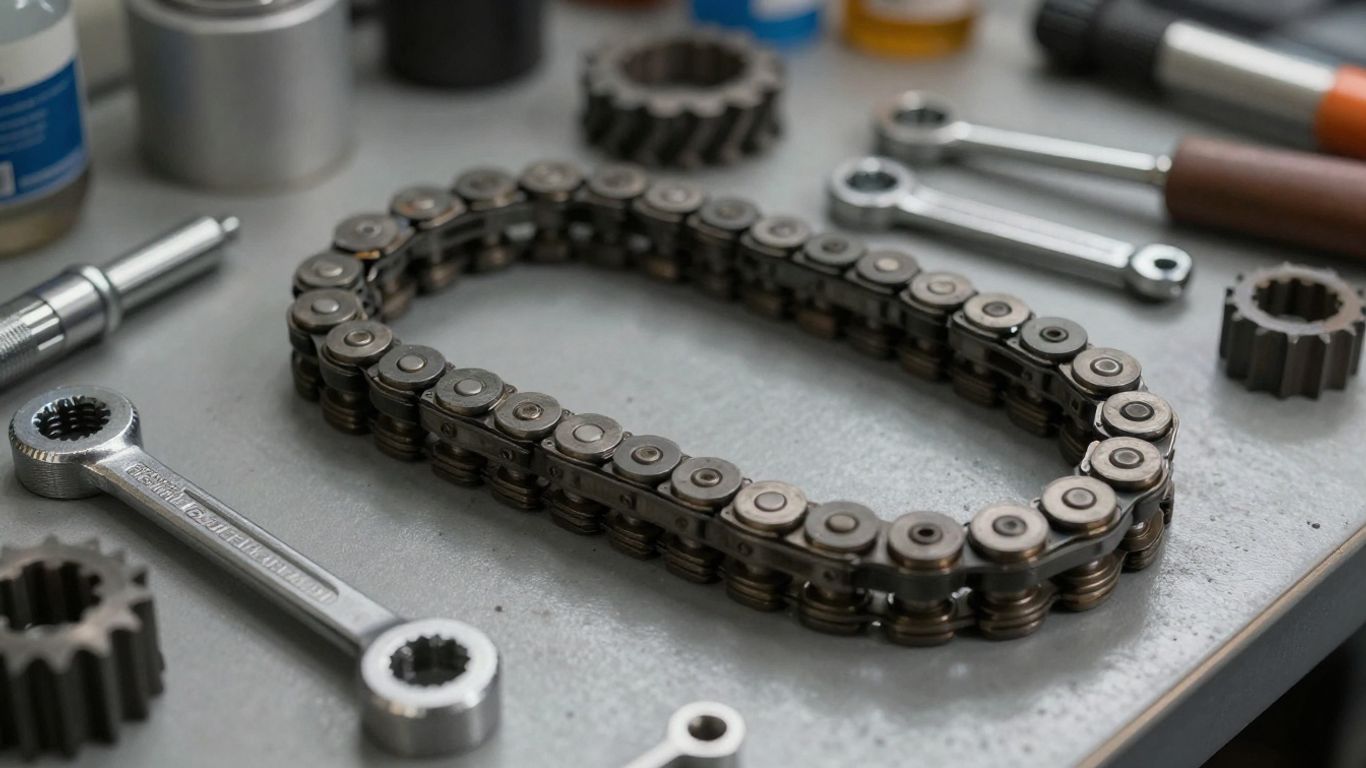
Replacing a timing chain is fundamentally categorized as a heavy-duty mechanical procedure. The sheer volume of components requiring removal—such as valve covers and intake manifolds—drives the labor estimate upward significantly. Most reputable shops view this as a multi-day repair given the precision required during re-assembly.
Cost differences between dealership and independent shops
Choosing between authorized dealers and independent specialists often changes your final invoice. While regional pricing varies wildly, many drivers find that experienced local garages like Qaz Motorsports London provide competitive quotes. It is wise to review their past work and reputation when weighing the financial benefits of specialized independent service.
Factoring in OEM versus aftermarket parts pricing
Deciding between factory-spec components and aftermarket kits changes the total budget. Using a proven BOSCH Timing Chain Replacement Kit ensures that you are installing hardware meant for your specific engine grade. Referencing costs below helps provide a baseline for your own research:
| Item Category | Estimated Price Range | Influence Factor |
|---|---|---|
| Labor Costs | $1,000 – $1,500 | Mechanical Difficulty |
| Parts Kit | $500 – $1,000 | Component Quality |
| Additional Fluids | $100 – $250 | Shop Benchmarks |
Hidden expenses during a complete timing service overhaul
Beyond the primary hardware, technicians often discover secondary wear while the engine is open. Items like water pumps, accessory drive belts, or oil seals are often replaced as a matter of standard practice to avoid repeating the labor-intensive teardown. Being prepared for these extra line items prevents surprises upon vehicle pickup.
The diagnostic process for timing chain health
Identifying specific engine rattling or ticking noises
Auditory cues are your first line of defense during daily operation. A sharp, rhythmic ticking that resonates from the front or rear of the head indicates potential slack that requires immediate professional evaluation. Listening consistently for these changes helps in catching issues before they degrade into a costly Land Rover timing chain replacement scenario.
Utilizing diagnostic scanners for synchronization trouble codes
Electronic control units often flag synchronization errors when the crankshaft and camshaft sensors lose their expected signal alignment. Using a diagnostic tablet to interpret these codes provides a digital snapshot of timing health. Technicians follow these steps to confirm a diagnosis:
- Connect the electronic scanner to the vehicle OBD-II diagnostic port.
- Review recorded engine timing fault codes provided by the internal monitors.
- Compare real-time data logs against known factory timing specifications.
- Perform a live, cold-start diagnostic to observe slack in the tensioner system.
Visual inspection protocols during routine oil changes
Technicians often use the timing covers’ inspection ports to verify chain tension or the condition of guide rails during a standard service. This allows for a proactive assessment without requiring the full removal of engine covers. Keeping consistent with oil changes allows these inspection opportunities to occur regularly.
Interpreting data from diagnostic engine timing monitors
Advanced engines continuously track synchronization via sensors that measure rotational pulse signals. When these monitors report a drift beyond acceptable tolerances, the system triggers a warning log. Understanding these data points requires specialized software, which is why access to an expert technician is valuable during the diagnostic phase.
Preventive maintenance to extend component life
Importance of adhering to strict oil change intervals
Clean oil acts as the primary lubricant and hydraulic pressure source for the timing chain tensioners. Neglecting your oil change schedule leads to carbon deposit buildup, which severely hampers the tensioners’ ability to retract or extend properly. Consistent intervals are the most effective way to ensure longevity.
Selecting the correct oil viscosity for your specific engine
Every engine is specified for a particular oil weight based on thermal expansion and shear resistance. Using the incorrect viscosity can lead to inadequate tensioner pressure during start-up, increasing the likelihood of chain slap. Always defer to the owner’s manual to ensure your lubrication matches internal design requirements.
Listening for early warning chain slap during cold starts
The cold start phase is when the chain is most vulnerable to temporary slack before oil pressure builds. A brief second of rattling noise each morning is a clear call to schedule a visit to a professional, such as Cambridge Smart Cars, to verify if your guides or chain are starting to wear down.
Strategies for detecting chain wear before a failure occurs
Regular preventative scanning and listening are your best assets for early detection. Keeping an archive of maintenance receipts and service notes allows you to calculate when your specific mileage suggests a deeper evaluation. Monitoring these trends keeps your engine operating within safe, factory-defined parameters.
Conclusion
Maintaining the structural integrity of your internal engine components is essential for long-term ownership and performance reliability. By staying diligent with oil viscosity, listening closely to engine feedback, and ensuring your timing gear is serviced as needed, you protect your investment from the risks of catastrophic failure. While professional replacement is a significant task, engaging with experienced specialists ensures your vehicle stays on the road for many thousands of miles to come. Following these preventive measures keeps your engine running smooth, quiet, and powerful.
Frequently Asked Questions
Can I drive with a noisy timing chain?
Driving with an audible rattling coming from the timing area is highly risky and should be avoided, as it indicates a loose component that could fail at any moment.
Why does oil viscosity matter so much?
Oil serves as the hydraulic fluid for tensioners; incorrect weight leads to poor pressure maintenance and can cause the chain to slap against its guides.
How long does a typical replacement take?
Most professional shops require a few days to perform a full replacement because the job involves extensive teardown and precise re-calibration of the engine timing.
Are aftermarket parts as reliable as OEM?
While high-quality aftermarket kits exist, many experts suggest using Original Equipment Manufacturer (OEM) parts to match the specific metallurgical requirements of your engine.
Does aggressive driving increase wear?
Spirited driving habits or track use place higher physical stress on the chain, potentially leading to faster degradation of the tensioning system compared to standard commuting.
Should I trust a mobile mechanic for this repair?
This repair requires precise specialized tools and significant labor time, so ensure your mechanic has specific experience with your engine layout before authorizing such a complex job.
Will the check engine light always turn on?
Sometimes, the timing system may begin to wear or stretch without triggering a light immediately, which is why listening for mechanical sounds remains a vital diagnostic method.