

Key Takeaways
Properly managing your vehicle’s engine health is crucial for avoiding costly repairs. Here are the five most important things to remember when dealing with potential engine issues:
- Regular cooling system maintenance is the most effective way to prevent thermal stress.
- Early detection of white exhaust smoke can save your cylinder head from catastrophic damage.
- Using correct fluids ensures the integrity of your engine’s internal sealing components.
- Compression testing serves as the gold standard for verifying internal gasket failures.
- Professional diagnostic tools are necessary for identifying complex hidden engine cooling issues.
What causes head gasket failure in Land Rovers
Land Rover vehicles are engineered for rugged capability, yet their sophisticated powerplants require meticulous care to maintain their structural integrity. Recognizing the specific failure points within the cooling and combustion systems is essential for any owner looking to extend their vehicle’s service life. When common head gasket issues arise, understanding the underlying cause helps inform the subsequent repair path.
Overheating issues and cooling system performance
Continuous operation at elevated temperatures puts incredible strain on engine components. When the cooling system fails to dissipate heat efficiently, the resulting thermal expansion can exceed the gasket’s design limits, leading to potential head gasket leaks that compromise the seal between the block and the head.
Material fatigue in aluminum engine blocks
Modern engine blocks often utilize lightweight aluminum to improve fuel efficiency and performance. However, this material is susceptible to cyclic stress, which can cause subtle warping over many years of operation, ultimately affecting the clamping force required to keep the gasket perfectly seated.
The impact of coolant degradation and acidity
Engine coolant serves as more than just a temperature regulator; it is a complex chemical mixture. Over time, inhibitors break down, and the fluid becomes acidic, which can aggressively attack the metal surfaces and the gasket material itself.
Manufacturing defects and recurring design flaws
While engineering standards are high, specific engine iterations have occasionally exhibited design characteristics that lead to early compromise. Awareness of these recurring Land Rover issues allows owners to monitor their vehicles with greater vigilance during routine check-ups.
Common symptoms of a blown head gasket
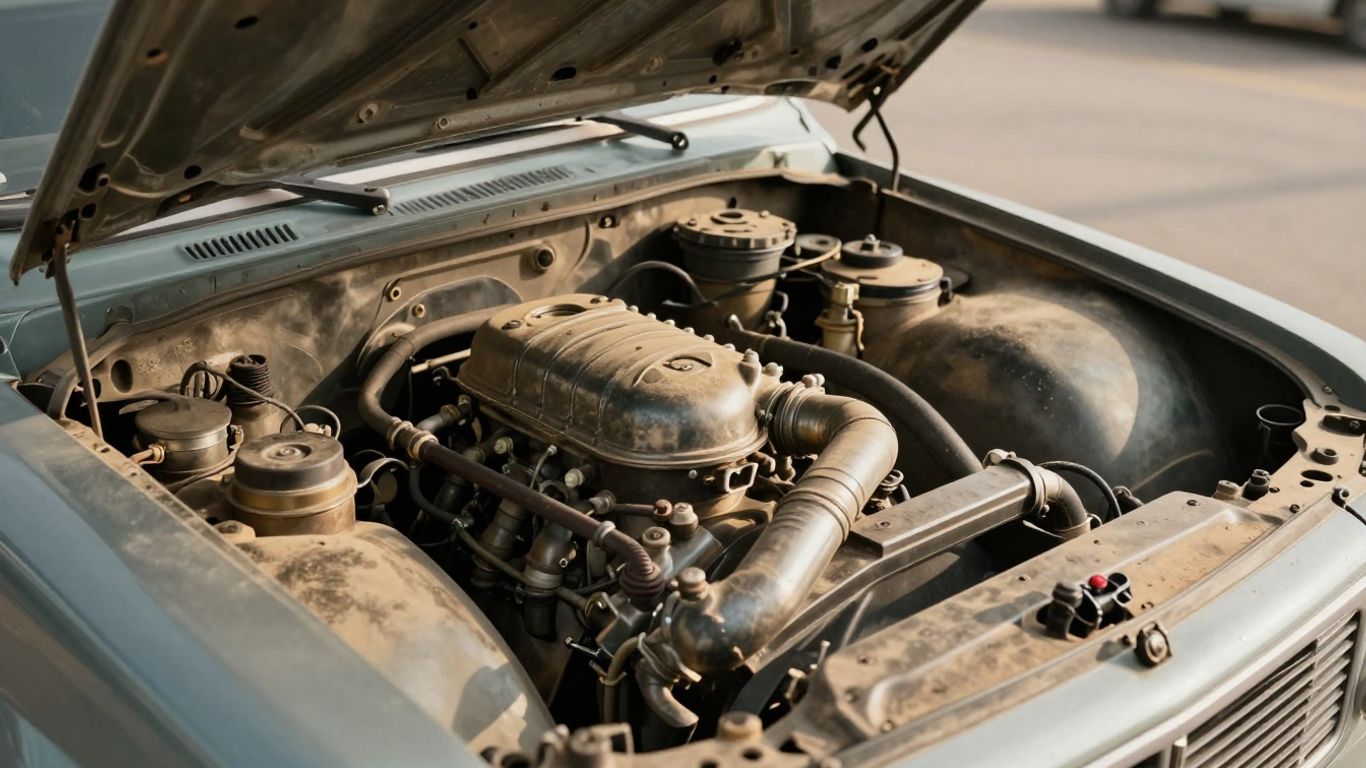
Identifying a failure early often makes the difference between a simple gasket replacement and a full engine rebuild. Owners should remain observant of their vehicle’s performance and any unusual signals coming from the engine bay. Addressing these changes immediately can help prevent a Land Rover head gasket failure from cascading into more serious mechanical damage.
White exhaust smoke and excessive emissions
When coolant bypasses the seal and enters the combustion chamber, it vaporizes, resulting in thick, persistent white smoke from the tailpipe. This distinct sign usually indicates a breach that allows coolant to reach the cylinder volume.
Milky or discolored engine oil
If the head gasket fails between an oil passage and a coolant passage, the two fluids will mix. A visual inspection of the oil filler cap or dipstick might reveal a viscous, milky residue that strongly suggests fluid cross-contamination.
Consistent coolant loss without external leaks
If you find yourself frequently topping up the coolant reservoir without seeing puddles on the ground, the liquid is likely being consumed internally. This internal leakage is a classic indicator that the head gasket no longer maintains an airtight boundary.
Rough idling and engine misfires
Loss of compression in one or more cylinders directly affects the smoothness of the engine at low speeds. A misfire often feels like a rhythmic, stuttering vibration that worsens as the engine warms up and internal pressures rise.
How to diagnose a head gasket leak
Diagnosis starts with gathering data and ruling out less severe possibilities. When you suspect an issue, methodical testing is far more reliable than waiting for a complete breakdown of engine performance.
Performing a compression test on cylinders
By checking the compression ratio of each cylinder, you can identify which specific area of the head might be compromised. Significantly lower readings on adjacent cylinders are a strong indicator of a localized rupture.
Using combustion leak detector kits for exhaust gases
These kits identify the presence of carbon dioxide in the cooling system, confirming that exhaust gases are entering the coolant passages. It remains one of the fastest ways to confirm a failing seal without invasive teardowns.
Inspecting spark plugs for signs of coolant contact
Examining the spark plugs provides a direct view into the combustion environment. Plugs that look clean or show signs of debris typically indicate that coolant has been bathing the electrodes during operation.
Utilizing pressure testing for the cooling system
To standardize the diagnostic process, many technicians use specialized equipment to check system integrity under load. This helps highlight hidden leaks that do not manifest during standard idling, ensuring that the head gasket is the true culprit before any disassembly occurs.
Steps for repairing a Land Rover head gasket
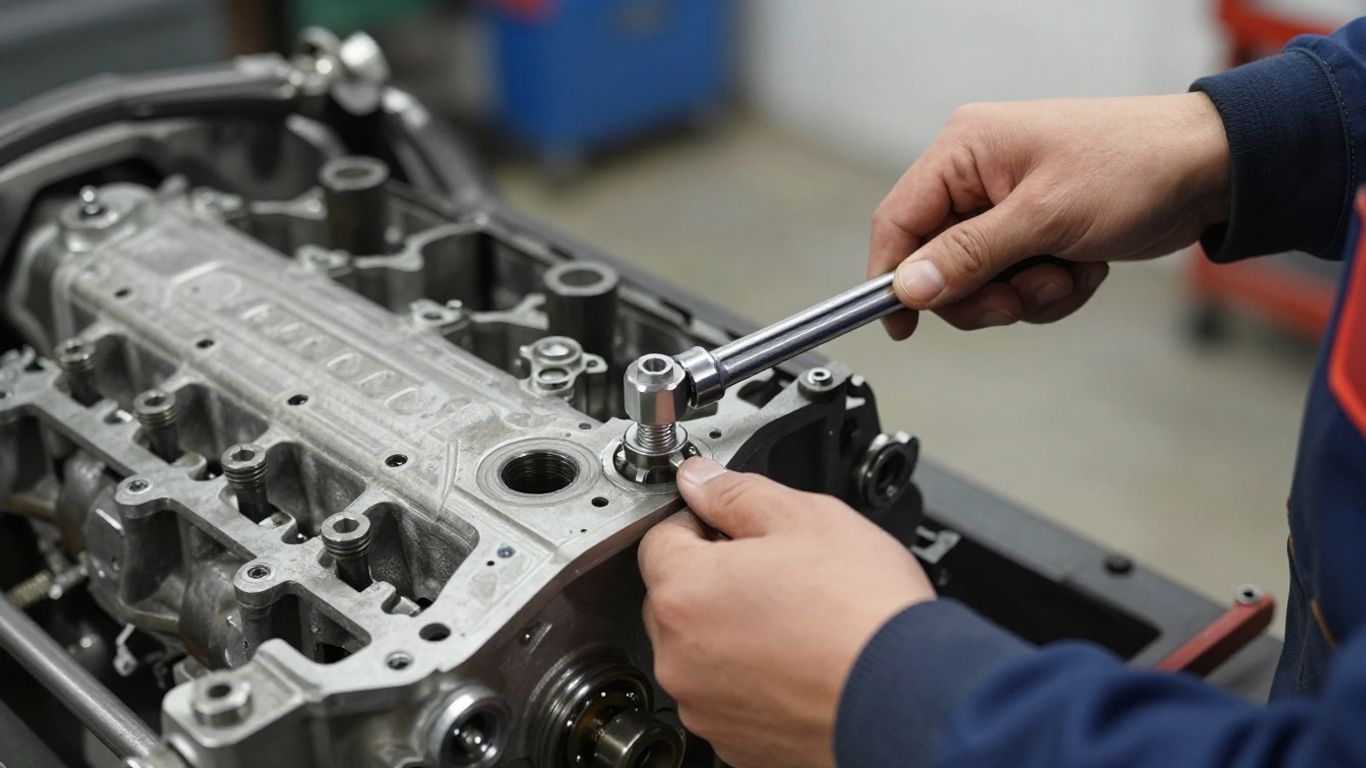
Repairing the head gasket is a labor-intensive process that requires meticulous attention to detail and precision. Because the cylinder head must be removed, it provides a window into the state of the internal engine components, which is a critical operation for engine longevity.
Draining and flushing the engine fluids
Before disassembly, technicians must remove all contaminated oil and coolant to prevent cross-contamination of clean engine channels. This ensures that when the engine is reassembled, it functions within a pristine internal environment.
Removing the cylinder head assembly and hardware
Specialized tools are required to remove the head bolts in the correct sequence, which prevents unnecessary stress on the block. The following list outlines the common items required for a successful repair:
- High-grade replacement head bolts
- A torque wrench calibrated to manufacturer specifications
- New cylinder head gasket set
- Engine sealant for auxiliary components
- Fresh coolant and performance oil
Inspecting surfaces for warping and machine work requirements
Once removed, the mating surfaces are cleaned and checked for flatness using a precision straight edge. If the deck or head surface has warped, they must be skimmed at a machine shop to ensure a perfect fitment.
Proper torque sequences and gasket installation techniques
When reassembling, following a specific torque sequence ensures the clamping load is applied evenly across the entire surface. This is a complex mechanical task, ensuring the structural seal remains intact under extreme heat cycling.
Preventive maintenance to protect your engine
Taking care of your drivetrain involves more than simply changing the oil. By proactively managing your vehicle’s systems, you can significantly reduce the risk of structural failure.
Regular cooling system flushes and maintenance cycles
Using the Signature Solitaire Collection mentality regarding quality, you should ensure your cooling system is flushed according to your service manual. This removes scale and debris that can lead to localized hot spots.
Monitoring temperature gauges for early detection of spikes
Modern dashboards often have buffered temperature gauges, so any perceptible movement toward the red zone should be treated as an immediate warning. Do not wait for a formal car service guide to tell you that overheating is a serious emergency.
Using OEM-approved coolants and additives
Engine manufacturers specify exact chemical properties for their coolant additives to prevent corrosion. Deviation from these standards can shorten the life of your seals, essentially acting as an expert safari destination guide for what NOT to use in your engine.
Managing engine oil levels and quality checks
Consistent oil management reduces frictional heat within the block. When considering your Hackney license for logistics, remember that basic automotive maintenance also requires strict adherence to mileage-based fluid change intervals.
Costs and considerations for professional repairs
Budgeting for a head gasket repair requires a look at both immediate and long-term costs. Because the engine is effectively being disassembled, secondary items often need replacement as well.
Assessing total labor hours for complex engine teardowns
Labor costs represent the largest portion of the expense due to the intensive nature of removing and re-timing the engine components. The complexity varies significantly by the specific engine model, as some layouts have extremely cramped engine bays.
Comparing dealership prices versus independent specialist shops
It is beneficial to weigh the benefits of specialized independent experience against the standardized nature of factory-authorized centers. The following table provides a rough cost comparison based on internal overheads:
| Service Provider | Hourly Rate | Specialty Focus |
|---|---|---|
| Factory Dealership | High | OEM Procedures |
| Independent Shop | Moderate | Custom Diagnostics |
| DIY Home Garage | Low | Time-Intensive |
Factoring in secondary costs like machine shop fees
Beyond labor, expect costs associated with machining heads and replacing associated hardware such as head bolts, timing chains, and water pumps. These parts are installation of standing roofs in terms of importance—if they aren’t done correctly during the initial teardown, you risk premature failure.
Determining when an engine rebuild is more cost-effective
If the engine shows signs of significant wear elsewhere, such as low oil pressure or cylinder wall scoring, a full rebuild may ultimately provide better value. Repairing only the gasket in a tired engine often forces a second repair later, doubling your cumulative service costs.
Conclusion
Maintaining your vehicle requires constant care and professional judgment, especially when faced with the complexities of cooling system failures. By staying informed on the causes of gasket failure and performing consistent preventive maintenance, you keep your engine running reliably for years to come.
Frequently Asked Questions
Can I continue driving after suspecting a head gasket failure?
No, you should avoid driving your vehicle immediately if you suspect a head gasket failure, as this can easily lead to catastrophic engine damage and complete replacement needs.
How often should I check my engine coolant level?
It is good practice to check your coolant level every time you perform an oil check, ensuring the reservoir remains between the designated markers according to the manual.
Are there any temporary additives that fix a blown gasket?
While various stop-leak products exist on the market, they are only intended as temporary emergency measures and do not provide a permanent solution for structural gasket failure.
Does aggressive off-roading increase the risk of these issues?
Yes, heavy off-roading can push engines to their thermal limits, and the high-torque demand of such driving significantly increases the pressure on internal gaskets over time.
Why is the repair cost so high for this specific issue?
Repair costs are primarily driven by the complexity of the engine design, requiring significant labor for disassembly, expert machining services, and precise reassembly of critical timing components.
Will synthetic oil prevent head gasket damage?
Synthetic oil provides excellent lubrication and thermal stability, but it cannot repair an existing mechanical leak or compensate for a failure caused by cooling system issues.
Is this problem unique to older engine models?
While older models are historically more prone due to material composition and design, any engine can suffer from head gasket failure if it experiences severe overheating or improper maintenance.