

Key Takeaways
Rough idling in Land Rover vehicles can stem from a variety of electronic, fuel, or mechanical failures. Following a systematic diagnostic process is the most effective way to isolate the root cause and restore engine performance.
- Start diagnostics by scanning for error codes to identify specific sensor or system faults.
- Maintain proper air-to-fuel ratios by inspecting vacuum lines and cleaning induction components.
- Ensure high-quality ignition by regularly replacing worn spark plugs and checking coil performance.
- Evaluate fuel system integrity at the pressure rail before suspecting more complex mechanical failures.
- Verify sensor feedback loops, particularly for oxygen and airflow, to ensure the engine management computer operates correctly.
Initial diagnostic steps
Observing the symptoms of a rough idle
A vehicle’s idle quality serves as a primary indicator of its internal health. You will likely notice a persistent vibration, a stuttering tachometer, or a general lack of smoothness when Land Rover vehicles sit at traffic stops. This Land Rover rough idle fix guide emphasizes that recognizing these early signs often prevents deeper engine damage.
Retrieving diagnostic trouble codes with a scanner
Modern engine management systems are designed to flag inconsistencies the moment they occur. By using an OBD-II scanner, you can pinpoint specific misfires or lean-burn conditions that explain erratic shaking. Interpreting these codes accurately saves significant time before you start replacing parts unnecessarily.
Checking for visible engine bay fluid leaks
Fluid leaks often contribute to mechanical degradation that leads to an unstable idle. A small vacuum line damp with oil or a coolant bypass hose showing signs of sweating can indicate degrading seals. Identifying these physical problems is part of the initial Land Rover maintenance assessment before proceeding to deeper electrical diagnostics.
Addressing air and induction issues
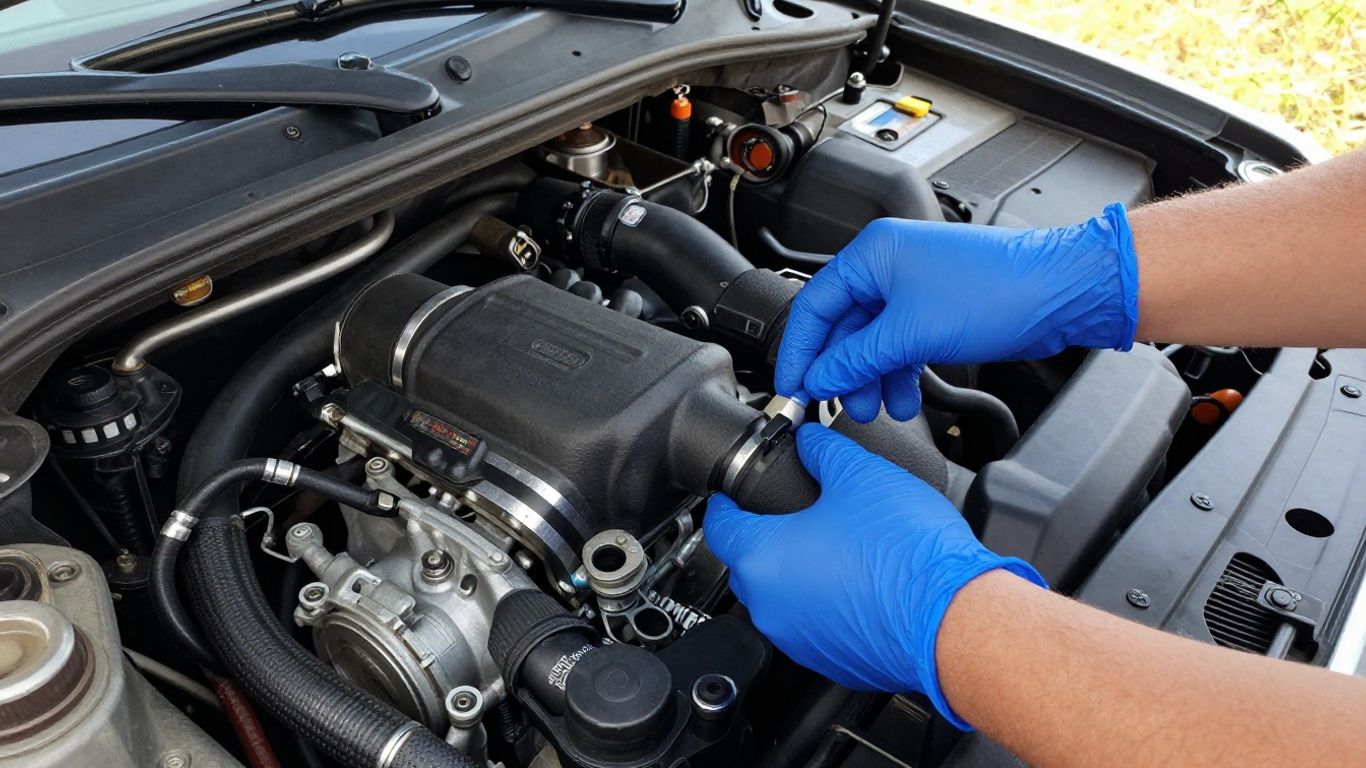
An engine needs a precise balance of air and fuel to maintain a steady rhythm during stationary operation. When the intake system becomes restricted or allows unmetered air into the combustion chamber, the computer struggles to calculate the correct timing. Addressing these induction inefficiencies is a critical step in stabilization.
Cleaning the throttle body and butterfly valve
Carbon buildup around the throttle plate creates resistance, which prevents the butterfly valve from seating properly. This restriction causes the idle RPM to fluctuate as the valve works harder to compensate for the obstructions. Removing the assembly and wiping down the bore with a specialized cleaner frequently resolves idle hunting.
Testing the idle air control valve for blockage
This component is specifically responsible for managing air bypass while the throttle plate remains closed. If Land Rover owners find their idle stalling only when coming to a stop, the valve may be stuck or clogged with sludge. Checking its resistance with a multimeter determines whether it is electrically operational or physically seized.
Replacing a clogged engine air filter
Restricted airflow through the intake tract forces the engine management system into a rich-burn state to compensate. A fresh filter ensures the induction system retrieves the volume required for clean combustion. We recommend inspecting the filter housing for debris every time you perform standard oil maintenance.
Resolving fuel delivery problems
Evaluating fuel pressure at the rail
Consistent fuel pressure is essential for supporting a stable 800-1000 RPM range. If the pump is weak, the engine may struggle to maintain the necessary line pressure during idle cycles. The following table provides a quick reference for common pressure ranges observed during testing.
| System Component | Ideal Pressure Range | Diagnostic Significance |
|---|---|---|
| Fuel Rail Pressure | 38 – 45 PSI | Ensures consistent combustion |
| Injector Pulse Width | 2.0 – 4.5 ms | Indicates computer fuel command |
| Pump Voltage | 12.5 – 14.0 V | Verifies electrical supply health |
Data gathered from these measurements allows you to determine if the issue is mechanical or electrical. Consistent pressure ensures that the engine doesn’t stutter from periodic fuel starvation.
Identifying faulty or leaking fuel injectors
Injectors that fail to close fully will cause the engine to misfire as excess fuel saturates the cylinders. A leaking injector creates a rich condition that often triggers O2 sensor warnings similar to those seen in Land Rover diagnostics. Listen for a distinct, rhythmic click from each injector to ensure all cylinders receive an equal distribution of fuel.
Inspecting the fuel pump for consistent delivery
When the fuel pump begins to lose capacity, the engine may exhibit hesitation upon initial startup. This component is the heart of fuel delivery inside your vehicle and should be verified for pressure stability throughout the entire RPM range. If pressure drops during idle, the pump or the integral pressure regulator likely requires replacement.
Troubleshooting ignition system components
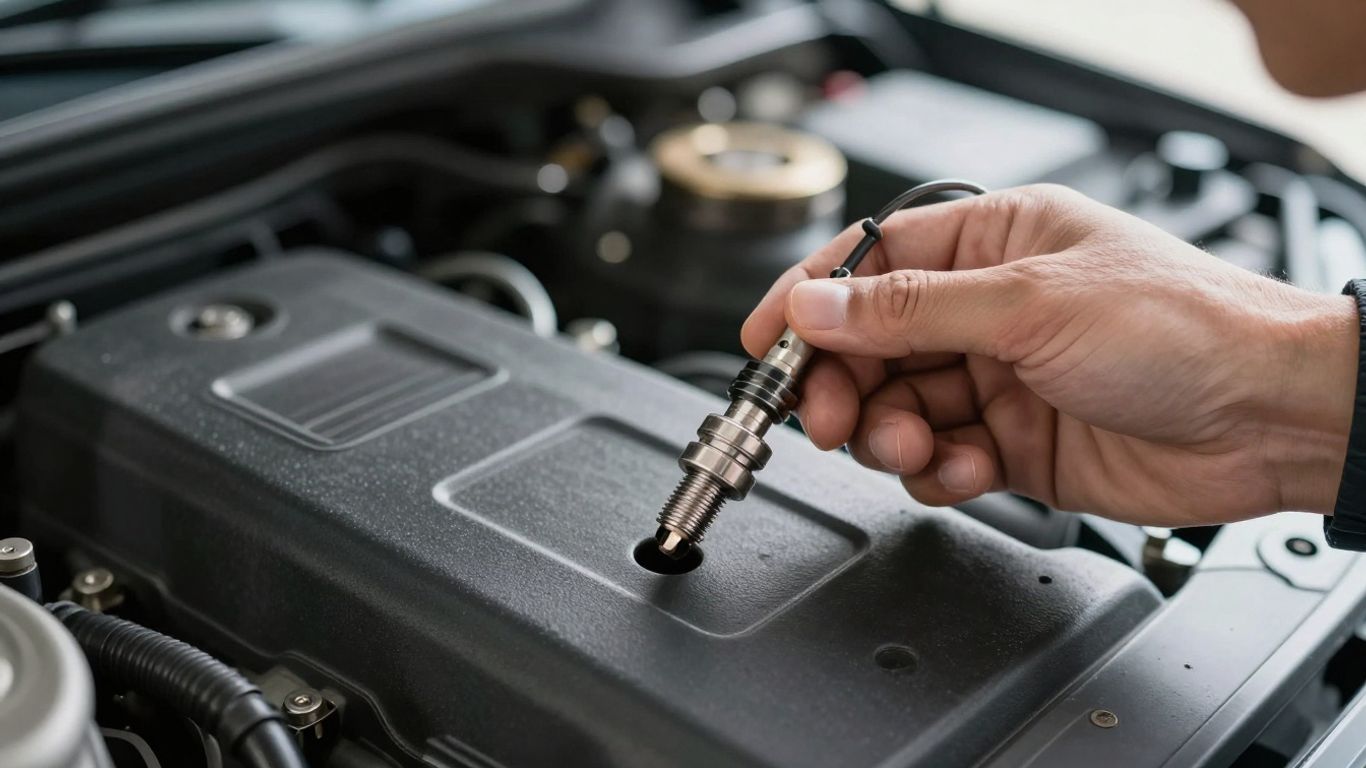
Ignition failures represent the most common cause of shaking during cold starts. When the electrical arc is weak, a portion of the air-fuel mixture remains unburned, resulting in the characteristic shudder associated with a misfire. The following checklist details the items necessary for a thorough inspection.
- Check spark plug gaps to match the manufacturer’s specific tolerance requirements.
- Inspect the coil insulation for arcing burns that can lead to energy loss.
- Verify wire conductivity using an ohmmeter to ensure resistance stays within factory limits.
- Examine boot connections for signs of excessive heat or dry rot.
Following this inspection sequence ensures that your ignition system supplies enough energy to provide a clean burn every time the piston reaches top dead center.
Inspecting spark plugs for signs of wear or carbon buildup
Spark plugs provide the most immediate clues regarding the state of your combustion cycle. A plug showing white or gray deposits suggests a lean idle condition, while black, oily deposits point to incomplete combustion or fuel saturation. Replacing the full set at manufacturer-specified intervals keeps the ignition cycle reliable.
Testing ignition coils for consistent spark delivery
Coils can suffer from thermal breakdown, losing their ability to generate a strong spark once they heat up during city driving. This type of failure is intermittent, making it notoriously difficult to diagnose without monitoring the misfire counts via a scanner. If you identify a specific cylinder misfire consistently, swap the coil to see if the issue follows the part.
Replacing cracked or aged ignition wires
Old wires suffer from insulation decay, which allows the spark to arc to the engine block instead of completing the circuit at the plug. This energy leak manifests as a rough sensation identical to a misfire. Ensure that all wire retainers are intact to prevent unnecessary contact with the cylinder head.
Managing sensor and feedback inputs
Diagnosing a faulty mass airflow sensor
The mass airflow sensor tells the computer exactly how much oxygen is entering the intake to determine the fuel mixture. If the sensor reports inaccurate values because of dust or moisture, the computer will command too much or too little fuel for a smooth idle. In many cases, a simple cleaning with dedicated sensor spray is enough to restore accuracy.
Evaluating oxygen sensor performance and voltage output
Oxygen sensors are responsible for the closed-loop feedback that keeps your emission systems within tolerance. If the Land Rover sensor outputs stagnate, the engine controller cannot make the minute adjustments required for a steady idle. Utilizing a graphing scanner reveals if the voltage square-wave pattern is responsive or lagging.
Checking the coolant temperature sensor for inaccurate readings
The engine management computer relies on the coolant temperature sensor to transition from startup enrichment to normal idle modes. If the sensor stays stuck on a cold reading when the engine is warm, the system continues to inject excess fuel. This often results in a rough, surging idle that persists until the engine hits operating temperature.
Identifying vacuum leaks and mechanical faults
Using smoke testing to locate hidden vacuum leaks
Vacuum leaks pull excess air behind the throttle, which destabilizes the idle speed permanently. A smoke machine forces a visible mist through the intake tract, allowing you to see exactly where the air is entering the system unmetered. Most leaks originate at aging intake manifold gaskets or perished rubber hoses.
Inspecting intake manifold gaskets for signs of failure
Intake gasket failure creates a direct bridge between the intake tract and the atmosphere. This is often an insidious problem that develops slowly until the roughness becomes impossible to ignore. Inspect the edges of the manifold for signs of oily residue that might indicate a compromised seal.
Verifying compression consistency across all cylinders
Internal mechanical issues, such as worn valve seats or piston rings, can cause an uneven idle that no electronic repair will fix. A cylinder leak-down test verifies that all chambers hold pressure equally. If compression is low in one spot, it explains why the engine feels rhythmic and shaky even after you have serviced all other components.
Conclusion
Restoring a smooth idle requires a methodical approach that addresses the intersection of mechanical integrity and sensor feedback. By verifying that your engine’s physical vacuum pathways remain sealed and the electrical input signals are accurate, you can effectively isolate even the most elusive performance issues. Consistent maintenance and timely component replacement remain the best strategies for keeping your vehicle operating exactly as the designers intended.
Frequently Asked Questions
Does a dirty throttle body always cause a rough idle?
While a dirty throttle body is a frequent culprit, it is not the only cause. Carbon buildup can certainly impede airflow, but vacuum leaks or faulty sensors often produce identical symptoms.
Can low fuel pressure make the engine stall?
Yes, insufficient fuel pressure prevents the engine from sustaining a stable combustion state at low revolutions. This often manifests as a fluctuating idle or a stall when the throttle is closed.
How often should I check my vacuum lines for leaks?
It is good practice to visually inspect your vacuum lines during every major oil service. Rubber components degrade over time due to heat and engine bay cycles, leading to eventual cracking.
What does an oxygen sensor do for idle stability?
The oxygen sensor provides the necessary feedback for the car to balance the air-fuel ratio during closed-loop operation. If the sensor is slow to report or faulty, the engine controller cannot maintain the correct idle speed.
Is it safe to drive with a rough idle?
Driving with a persistent rough idle is discouraged, as it often suggests a fuel or ignition issue that can lead to long-term catalytic converter damage. Resolving the fault promptly protects more expensive downstream components.
Will a new air filter improve my idle?
If your current air filter is heavily clogged, replacing it can help restore the required airflow, but it will not fix an issue caused by bad sensors or vacuum leaks. It should be treated as a necessary foundational maintenance step.
How do I know if my spark plugs are the problem?
If you notice a physical shudder or hear popping sounds at idle, pull the spark plugs for a visual inspection. Signs of heavy carbon, worn electrodes, or wetness indicate they are failing to provide a consistent spark.