
Key Takeaways
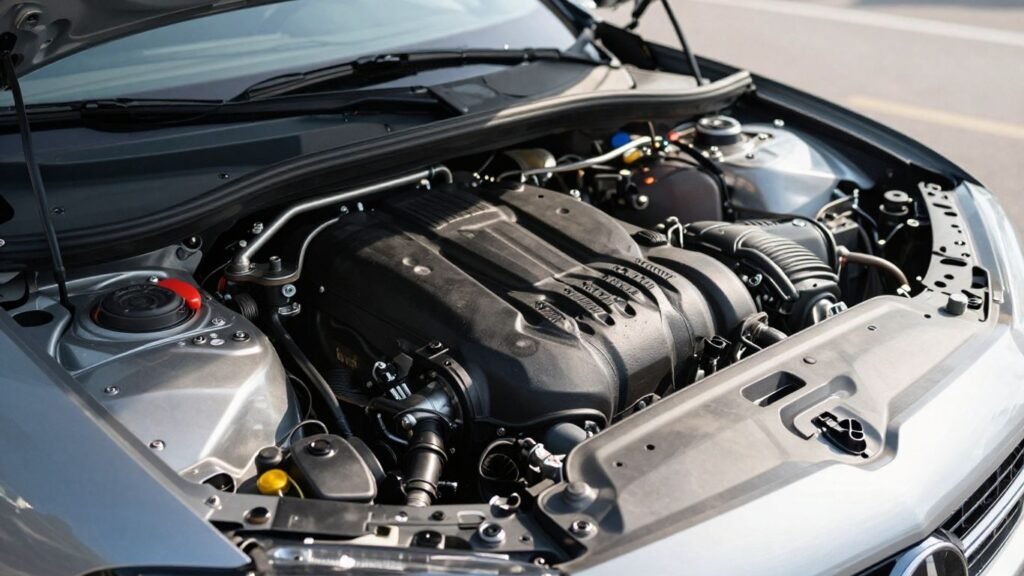
Identifying the root cause of engine performance issues requires a systematic approach that separates mechanical faults from electronic sensors. Land Rover loss of power diagnosis starts with verifying baseline engine health before investigating specific subsystems.
- Inspect airflow pathways for cracks or obstructions that affect boost pressure.
- Verify fuel system integrity by monitoring pump and rail pressure data.
- Prioritize electronic scan diagnostics to identify specific faulty sensors or stored trouble codes.
- Evaluate drivetrain components and software modes that can prematurely limit engine output.
- Utilize manufacturer-grade tools to ensure accurate data interpretation during real-world test drives.
Troubleshooting air intake and turbocharger issues
Modern internal combustion engines rely on precise airflow management to generate power effectively. When a vehicle loses responsiveness, the induction system is often the first place to look. By examining the path from the air filter to the intake manifold, technicians can identify restrictions that starve the engine of oxygen.
Detecting turbo underboost conditions and P0299 fault codes
The P0299 fault code often signals that the turbocharger is unable to generate the necessary boost pressure required for engine load. Referencing a power loss guide helps narrow down the diagnostic path for this specific intake scenario. If the turbo fails to reach its targeted boost, the engine control module will intentionally limit power to prevent internal hardware damage.
Inspecting charge air cooler hoses for pressure leaks
Leaks in the piping between the turbocharger and the engine can lead to a significant drop in performance. These hoses are subject to intense heat and oscillation, causing them to develop hairline cracks or loose connections over time.
- Check all visible coolant and charge air hose clamps for tightness.
- Inspect the underside of each hose for oil residue, which indicates an internal leak.
- Verify that the intercooler mounting points are secure to prevent vibration damage.
- Listen for distinct hissing noises while a second person safely revs the engine in park.
Because these leaks only manifest under positive pressure, it is vital to perform a pressure test if visual inspection does not reveal the source of the drop.
Testing the variable geometry turbo actuator functionality
The actuator regulates the pitch of the turbo vanes to optimize air movement at varying engine speeds. If this component sticks due to carbon deposits, the turbo response may become sluggish or fail entirely under heavy load.
Cleaning the mass airflow sensor to restore data accuracy
The mass airflow sensor tracks how much oxygen enters the system, providing the computer with the data needed to adjust air-fuel ratios. Contaminants on the film can result in faulty readings that confuse the engine management system.
Evaluating the fuel delivery system
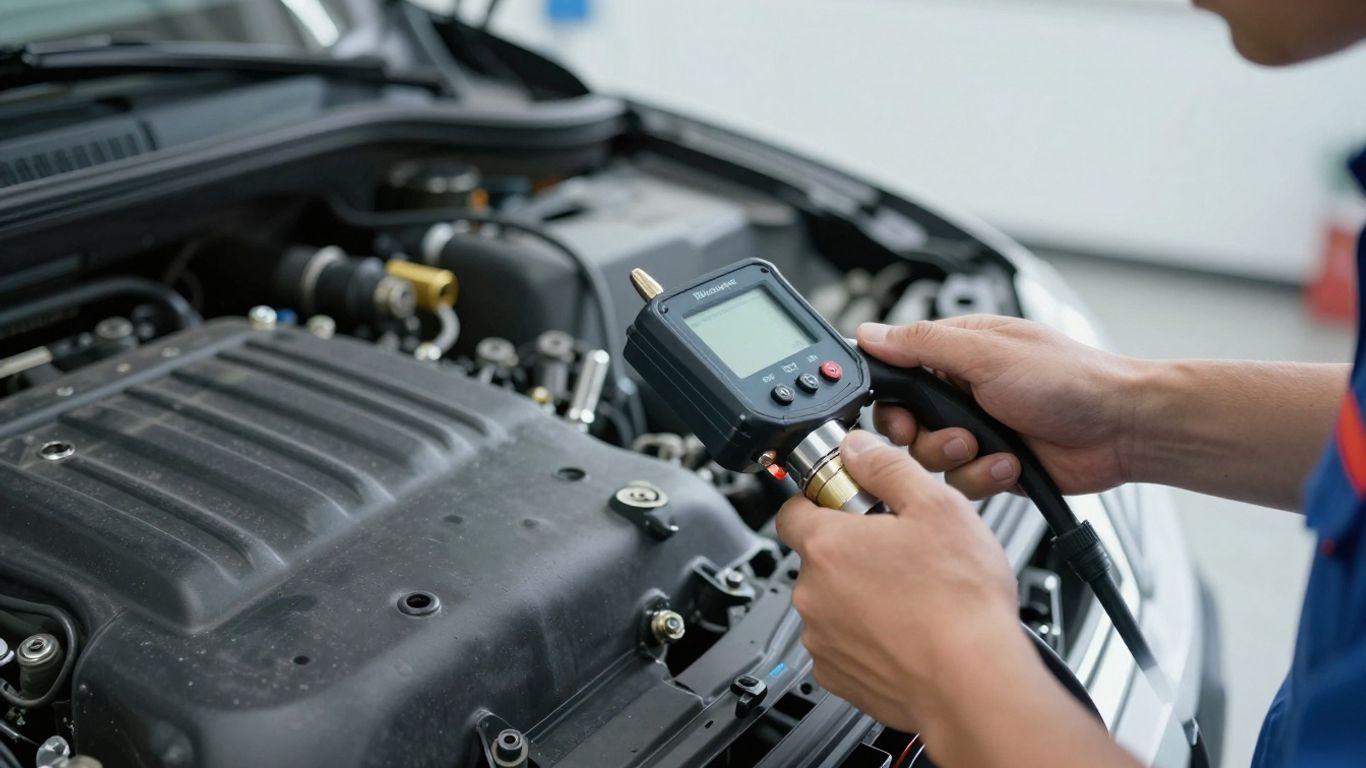
Consistent fuel pressure is essential for maintaining engine output, particularly during high-demand scenarios. If the delivery system falters, the vehicle may experience a lack of torque or abrupt hesitations in speed. Diagnosing these failures often involves checking for both mechanical wear and electronic supply issues.
Checking fuel pump pressure and supply consistency
Low fuel pump capacity can lead to a lean condition where the engine receives insufficient fuel to meet demand. Using a mechanical gauge at the fuel rail allows for real-time verification of the pressure delivered by the pump.
Identifying symptoms of clogged or restricted fuel filters
Debris buildup in the filtration system forces the pump to work harder while potentially starving the engine of clean fuel. The following table outlines how to identify persistent fuel supply issues based on typical sensor readings:
| Observation | Likely Cause | Recommended Action |
|---|---|---|
| Fluctuating Rail Pressure | Fuel Pump Wear | Replace Primary Pump |
| Stalling at Idle | Restricted Filter | Replace Filter Assembly |
| Erratic Injector Pulse | Regulator Failure | Inspect Fuel Regulator |
By keeping maintenance records focused on fuel quality, owners can minimize the likelihood of these restrictions affecting daily driving performance.
Testing high-pressure fuel pump regulators
High-pressure pumps require precise regulation to maintain the correct rail feed pressure. When a regulator fails, the rail pressure often fluctuates wildly, triggering specific engine management warnings.
Monitoring fuel rail sensor data for fluctuations
Rail sensors provide the vital link between physical pressure and engine management. If this sensor sends erratic or incorrect signals, the system may default to a restrictive performance map to ensure vehicle safety.
Addressing electrical and sensor malfunctions
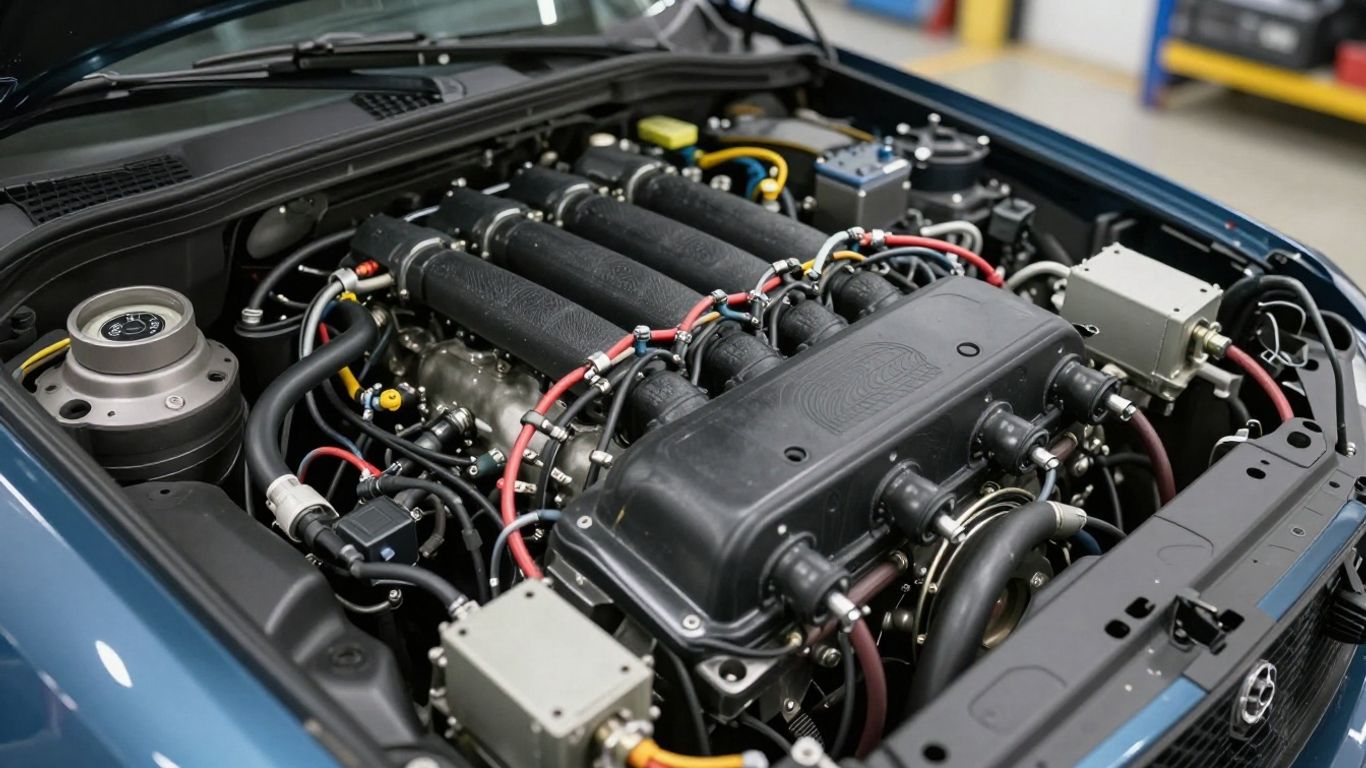
Electrical faults can be challenging to diagnose because they often present with intermittent symptoms rather than constant failures. Wiring integrity and sensor health remain critical for proper engine timing and fuel management. Always ensure the engine wiring harness stays clean and free of any moisture or external physical damage.
Diagnosing oxygen sensor failure signals affecting fuel trim
Faulty oxygen sensors lead to incorrect air-fuel ratio adjustments, which may cause the engine to misfire or lose power. When the sensor fails to communicate correctly, long-term fuel trim values often skew significantly outside of standard parameters.
Testing the throttle position sensor performance under load
The throttle position sensor translates pedal movement into engine speed commands. A faulty unit creates a disconnected driving experience where the engine does not respond accurately to user input.
Testing this component involves observing the live data stream while slowly pressing the throttle to ensure the values increase smoothly without drops or spikes.
Troubleshooting intermittent wiring harness shorts near the engine bay
Wiring shorts near the engine bay can be caused by heat damage or physical wear against metal components. Because these shorts vibrate with engine movement, they often only trigger warning lights during specific, high-load conditions.
Investigating transmission and drivetrain limitations
Internal transmission faults can mimic engine performance issues by restricting how power reaches the wheels. When the computer detects an internal mechanical problem, it often intervenes to limit the speed of the vehicle entirely.
Recognizing limp mode indicators in the instrument cluster
Limp mode is a safety feature that keeps the vehicle operational while restricting its final speed and acceleration capability. It is intended to allow a driver to reach a safe location instead of being stranded on the road.
Reading transmission solenoid fault codes for gear shifting issues
Solenoids control the hydraulic flow necessary for crisp, responsive gear changes. If these switches fail, the vehicle may refuse to shift into higher gears or remain stuck in a single ratio throughout the drive.
Checking transmission fluid level and internal degradation
Low transmission fluid causes excessive heat and friction, leading to premature wear of internal clutch packs. Regularly scheduled service is the most effective way to prevent these mechanical limitations from occurring in the first place.
Utilizing advanced diagnostics for Land Rover systems
Modern luxury vehicles are highly complex, requiring specialized knowledge and tools for an accurate Land Rover specialist diagnostic. Generic code readers often fail to capture the proprietary data streams needed to pinpoint deep-seated performance bottlenecks.
Reading stored fault codes with professional-grade OBDII scanners
Professional scanners can communicate with all control modules, not just the engine. This allows for a deeper view into how the climate control, suspension, and transmission might be influencing the overall engine output.
Analyzing live feed data for performance bottlenecks while driving
Watching live data during a drive allows the technician to correlate specific physical engine behaviors with the corresponding electronic reports. This method is the only way to catch transient errors that only appear at highway speeds or under specific road loads.
Using manufacturer-specific diagnostic software tools
Manufacturer software provides access to factory-level resets and calibration routines that are unavailable on universal aftermarket tools. These systems allow for precise adjustment of sensors and actuators to match the vehicle manufacturer’s strict specifications.
Interpreting live engine temperature and ignition timing data for anomalies
When engine temperatures rise above optimal ranges, the computer pulls timing to protect the internals, causing an immediate drop in acceleration. By reviewing logs of ignition timing alongside coolant data, one can see how thermal management indirectly causes power loss.
Conclusion
Successfully diagnosing a loss of power in modern vehicles is an iterative process that requires isolating mechanical wear from electrical or software-related anomalies. By addressing the induction, fuel, and diagnostic systems systematically, owners can ensure their engine returns to full capability and remains reliable for miles to come.
Frequently Asked Questions
Why does my car lose power when accelerating?
Power loss during acceleration is often caused by a fuel delivery issue, such as a clogged filter or a failing pump, which creates a shortage of fuel during high-load demands.
Can a bad sensor cause engine power loss?
Yes, sensors such as the mass airflow sensor or oxygen sensor provide critical data for air-fuel mixtures, and inaccurate readings will force the engine computer to severely restrict performance.
Is it safe to drive with an engine power reduction warning?
Driving in a reduced power or limp mode state should be minimized, as it indicates the vehicle has detected a fault serious enough to protect the drivetrain, and continued use could lead to permanent internal damage.
What do I do if my check engine light is flashing?
A flashing check engine light indicates a severe misfire or condition that is causing immediate harm to your catalytic converter and requires you to stop driving the vehicle safely and immediately.
How often should I have my engine sensors checked?
There is no specific mileage interval, but a comprehensive diagnostic check is recommended if you notice any changes in pedal responsiveness, fuel economy, or unexpected engine warning lights.
Do transmission issues look like engine power loss?
Transmission faults often feel like engine power loss because gear slippage or forced lower-gear operation limits how efficiently torque is delivered to the ground.
Can I diagnose power loss at home?
Basic checks like inspecting air hoses and checking for loose fuel caps are possible at home, but complex electronic diagnostics usually require manufacturer-level tools to properly isolate the root cause.