
Key Takeaways
Understanding why your engine misfires is vital for maintaining vehicle longevity and performance. Use this guide to recognize symptoms and address mechanical issues before they escalate into major failures.
- Perform regular ignition system inspections to avoid unexpected engine stuttering.
- Monitor fuel quality and delivery components to ensure consistent combustion cycles.
- Address air induction leaks promptly to stabilize the delicate air-fuel ratio.
- Track sensor performance, particularly for intake air flows and position timing.
- Prioritize professional diagnostic scans to accurately pinpoint the specific cylinder affected.
1. Worn out spark plugs
When a vehicle experiences combustion inconsistencies, the spark plug is often the first component to inspect. These plugs are responsible for igniting the compressed air-fuel mixture within the cylinder, and their efficiency degrades as the metal electrodes erode over significant mileage. Without a clean, strong spark, the engine may struggle to maintain a smooth rhythm, resulting in noticeable hesitation during acceleration.
Driving with degraded plugs often leads to increased fuel consumption and poor emissions quality. For owners of the Range Rover Sport P400, replacing these components on a set schedule is essential to preventing secondary damage to other engine parts. When the gap on the spark plug becomes too wide, the electrical circuit requires more voltage than the coil can reliably supply, leading to a breakdown in timing.
You should consider following a maintenance schedule to address these components before they cause a stuttering engine. Consider the following common inspection steps:
- Inspect the ceramic insulator for cracks or signs of heavy fouling.
- Measure the electrode gap to confirm it meets manufacturer specifications.
- Check for oil contamination on the threads, which indicates valve cover gasket issues.
- Ensure the plug is torqued correctly to prevent compression leakage.
After completing these checks, verify that your engine’s idle returns to a steady state to confirm the fix was successful.
2. Faulty ignition coils
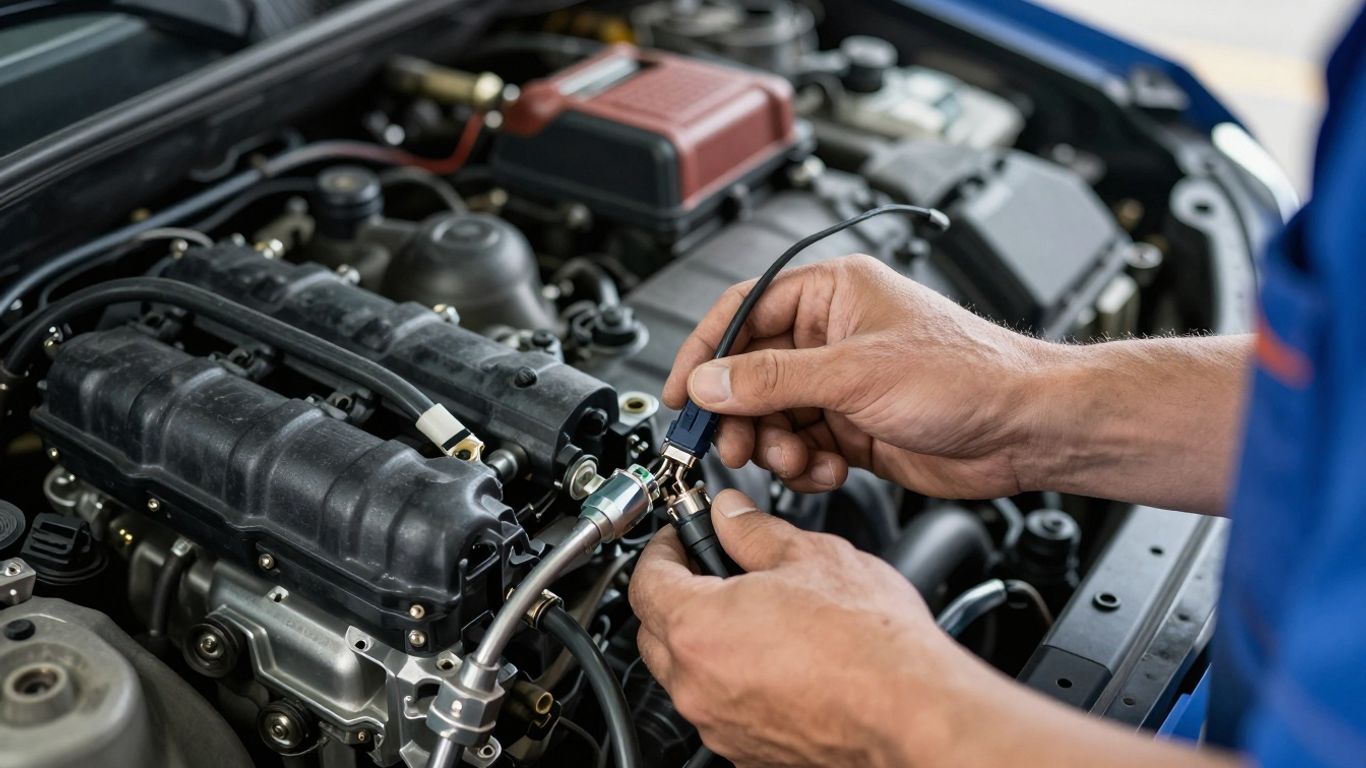
Ignition coils serve as the power source for the spark plugs, transforming the battery’s low voltage into the high-intensity spark required for internal combustion. In many modern vehicles, each cylinder utilizes an individual coil pack. When these packs fail, they typically cause a persistent misfire in a single cylinder rather than a random pattern across the entire engine block.
Heat cycles and engine vibrations are the primary enemies of coil longevity. Over years of service, the internal insulation can break down, causing the electrical output to short to the engine block instead of jumping the spark plug gap. In a 2017 Range Rover Sport, you might notice a flashing check engine light during moderate acceleration, signaling that the engine management system has detected a consistent failure in spark delivery.
If you ignore a faulty coil, the unburned fuel entering the exhaust stream can quickly overheat the catalytic converter. Repairing these coils is often straightforward for a skilled technician who can isolate the specific cylinder using specialized diagnostic equipment. Once the failed component is replaced, the engine should regain its composure and resume smooth, consistent power delivery.
3. Fuel delivery issues
Fuel delivery faults are subtle but devastating to engine performance. When the fuel pump or fuel injectors fail to supply the precise amount of pressurized fuel to the cylinder, the engine encounters a lean condition where there is too much air and not enough fuel. This imbalance leads to the characteristic hesitation found during highway passes or heavy throttle applications.
Modern fuel systems are remarkably efficient but require perfectly clean fuel to operate. Contamination or debris can quickly clog fine-mesh filters or damage the delicate spray pattern of an injector tip. Often, drivers mistakenly assume the issue is electrical because the symptoms mimic a bad spark plug, but the underlying problem is actually a failure to provide stable combustion materials.
Identifying these issues typically requires pressure testing the fuel rail and evaluating the opening duration of individual injectors. Once you confirm the system is starved of fuel, the resolution involves cleaning or replacing the restricted components. Consistent fuel quality and periodic changes of the fuel filter go a long way in preventing these performance-sapping events.
4. Vacuum leaks
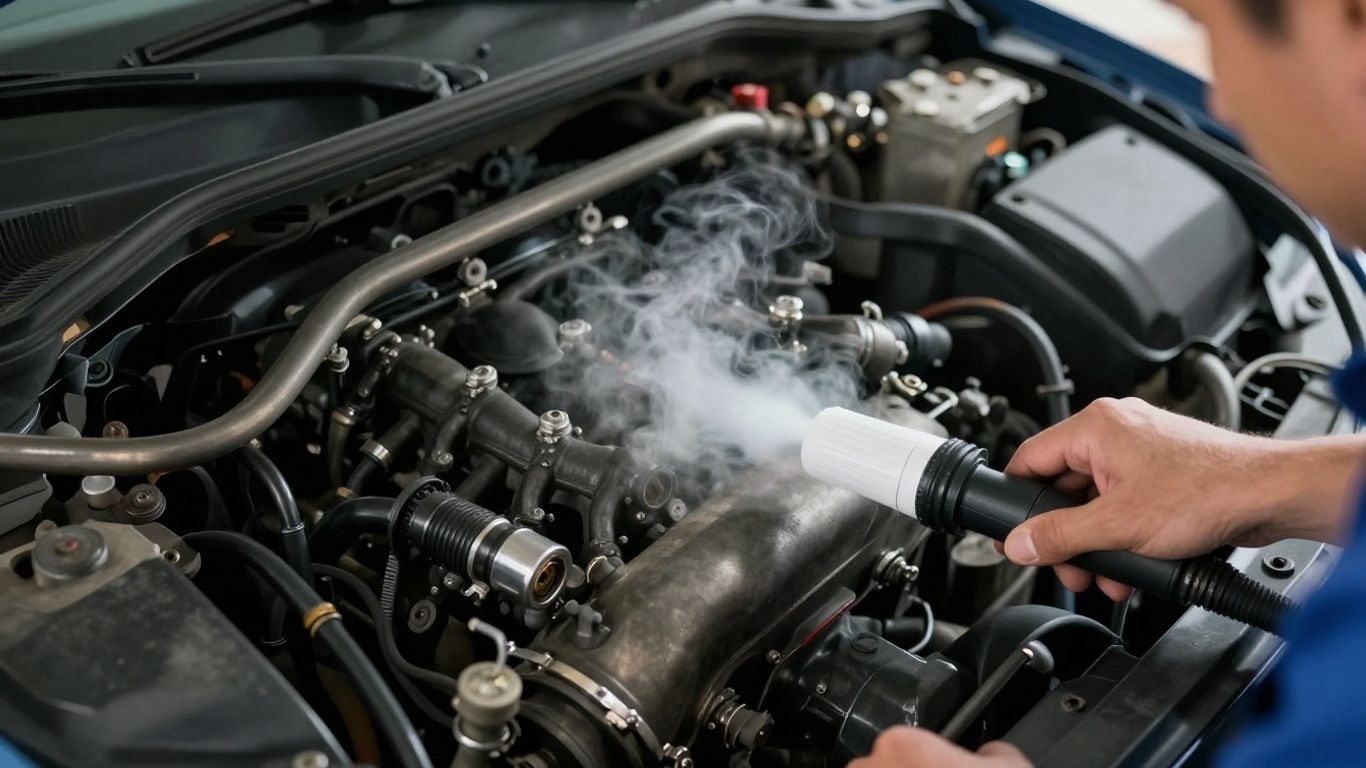
Vacuum leaks occur when unmetered air enters the intake manifold past the throttle body. Because the engine control unit precisely measures airflow to adjust fuel mapping, any "extra" air confuses the computer, resulting in a rough idle and stumbling performance. This happens frequently due to aged rubber intake hoses or loose vacuum connections that have degraded in high-heat environments.
Detecting these leaks can be difficult without the right tools, as they are often located behind intake piping or under the engine cover. You might hear a subtle hissing sound while the engine is idling, which is a classic indicator of a compromised seal. When left unchecked, these leaks create consistent power loss that makes the vehicle difficult to drive smoothly at lower speeds.
The engine management system constantly adjusts fuel trim levels to compensate for intake leaks, but these adaptations have strict physical limits and will eventually trigger a permanent warning light.
Once the leak is physically repaired or the intake components are secured, the computer must be reset to relearn its baseline performance parameters. A failure to perform this calibration often results in a lingering, albeit slightly improved, idle irregularity.
5. MAF sensor malfunctions
The Mass Airflow (MAF) sensor is critical for measuring the amount of air entering the engine. Its data is used by the Engine Control Module to calculate the exact amount of fuel required for clean, efficient combustion. If this sensor becomes contaminated with dust, oil, or debris, it sends inaccurate data, causing the engine to operate with a mixture that is either too rich or too lean.
Owners often notice that their vehicle’s performance fluctuates based on acceleration patterns or ambient temperatures when the MAF sensor starts to fail. The accumulation of fine particulates on the sensing wire is quite common in older vehicles. Replacing or carefully cleaning the sensor element is a routine task that frequently resolves erratic idling and poor fuel economy.
Diagnostic software can display the "live" airflow values while the engine is running. If these values are erratic or appear static when they should be changing, it confirms the sensor unit is faulty. Maintaining a clean air filter is the best way to extend the lifespan of this sensitive component, ensuring the engine always receives accurate diagnostic data from the bay.
6. Engine compression loss
Engine compression loss happens when the mechanical seal between the piston rings and the cylinder wall fails. Without sufficient pressure during the compression stroke, the air-fuel mixture cannot ignite with the force required for power. This is a severe mechanical problem that typically stems from extreme wear, overheating, or valve timing issues.
Below is a comparison of typical symptoms and their underlying causes regarding overall engine efficiency and health status:
| Issue Category | Primary Symptom | Possible Consequence |
|---|---|---|
| Ignition System | Random misfire codes | Catalyst overheating |
| Fuel System | Hesitation at speed | Poor acceleration |
| Internal Wear | Permanent compression loss | Engine teardown required |
Internal engine issues are significantly more expensive to repair than external sensors or spark plugs. By keeping the cooling system in peak condition, you minimize the risk of warping cylinder heads that lead to compression failure. Regular synthetic oil changes also ensure that piston rings remain free and lubricated, preventing long-term mechanical degradation.
7. Camshaft or crankshaft position sensor failure
The engine’s timing is governed by the crankshaft and camshaft position sensors, which track the mechanical alignment of the valvetrain and pistons. If these sensors stop sending an accurate signal, the engine control unit loses its reference point for fuel injection and spark timing. This causes immediate, severe misfires as the computer attempts to compensate for a lack of synchronization.
These sensors provide the pulse that the entire engine management system relies on to stay synchronized during high-speed rotation. Should the signal be lost, the vehicle may experience sudden engine stalls or a complete failure to enter a steady operating state. Identifying these failures usually requires monitoring the signal output with an oscilloscope or a high-end diagnostic scan tool.
Failure of these components is often accelerated by high heat or exposed wiring that has become brittle over time. After the sensors are replaced and the electrical connections are secured, the engine should immediately regain its precise timing and stable idle. Following up with manufacturer-recommended service intervals for the timing drive system is a preventative measure that reduces the likelihood of these sensors being pulled out of alignment by a loose or stretched timing chain.
Conclusion
Addressing misfires in your vehicle is a process of systematic diagnosis that starts with the simplest ignition components and moves toward more complex sensor or mechanical issues. By staying attentive to early warning signs like rough idling and power hesitations, you can prevent expensive damage to your engine’s internal parts and catalytic converter. Regular maintenance paired with accurate diagnostic procedures ensures that you keep your performance, reliability, and fuel efficiency exactly where they belong.
Frequently Asked Questions
Can a misfire cause engine damage?
Yes, if a misfire is ignored, it can lead to severe damage to the catalytic converter due to unburned fuel, potential scoring of cylinder walls, and increased mechanical wear throughout the engine assembly.
Is it safe to drive with a flashing check engine light?
A flashing check engine light indicates an active and severe misfire which could damage your exhaust system components; it is safer to stop driving and have the vehicle inspected immediately.
How often should I check my spark plugs?
While intervals vary by vehicle, it is generally recommended to inspect or replace spark plugs according to the service schedule in your owner’s manual, often falling between 30,000 and 100,000 miles.
Does low fuel quality cause misfires?
Yes, inferior or low-octane fuel can create pre-ignition or incomplete burns, which the engine management system may register as a misfire, particularly under heavy engine load.
Can a faulty battery cause ignition problems?
A very weak battery can affect the voltage available to the ignition coils, potentially causing random misfire codes, although this is less common than specific coil-on-plug failures.
Are all misfires caused by the same thing?
No, misfires are symptoms of a failure in either the ignition, fuel, or air intake systems, meaning multiple distinct faults can result in the same diagnostic error code.
Should I prioritize professional diagnostics?
Professional diagnostics provide accurate data regarding which specific cylinder is affected, preventing unnecessary expenses related to guessing or replacing healthy components by trial and error.