

Key Takeaways
Maintaining the fuel system is crucial for performance and longevity. These points provide a quick overview of what you need to know about keeping your engine running smoothly:
- Regular maintenance prevents carbon buildup from impacting engine efficiency.
- Symptoms like rough idling often indicate the need for fuel system attention.
- Choosing between professional and DIY methods depends on your mechanical comfort level.
- Consistent service intervals ensure optimal fuel delivery and power.
- Proper post-cleaning checks confirm the effectiveness of your maintenance efforts.
Understanding the importance of fuel injectors in Land Rover engines
Modern internal combustion engines rely on complex systems to function at peak capacity. Fuel injectors serve as the heart of this process, ensuring that every combustion cycle receives the exact amount of fuel required for power and efficiency. When these components perform correctly, your vehicle operates with the responsiveness you expect from a luxury off-roader.
The role of precision fuel delivery
Precision is the defining factor in how your engine converts fuel into motion. Injectors must spray a fine, perfectly atomized mist into the cylinder, allowing for complete and clean burning. If this delivery is compromised, power output drops and engine health begins to decline over time.
Common signs of clogged injectors
When debris or carbon begins to collect, the spray pattern distorts and becomes erratic. You might notice issues like sluggish acceleration, reduced fuel efficiency, or a lack of throttle response when you press the pedal. These early signs are indicators that your system requires attention before more significant damage occurs.
How carbon buildup impacts performance
Over thousands of miles, small amounts of deposits harden inside the injector nozzle. This buildup acts as a barrier, restricting flow and altering the fuel-to-air ratio. When effective methods for LR3/4 injector cleaning are ignored for too long, the resulting performance degradation becomes obvious during daily driving.
Identifying when your Land Rover needs cleaning
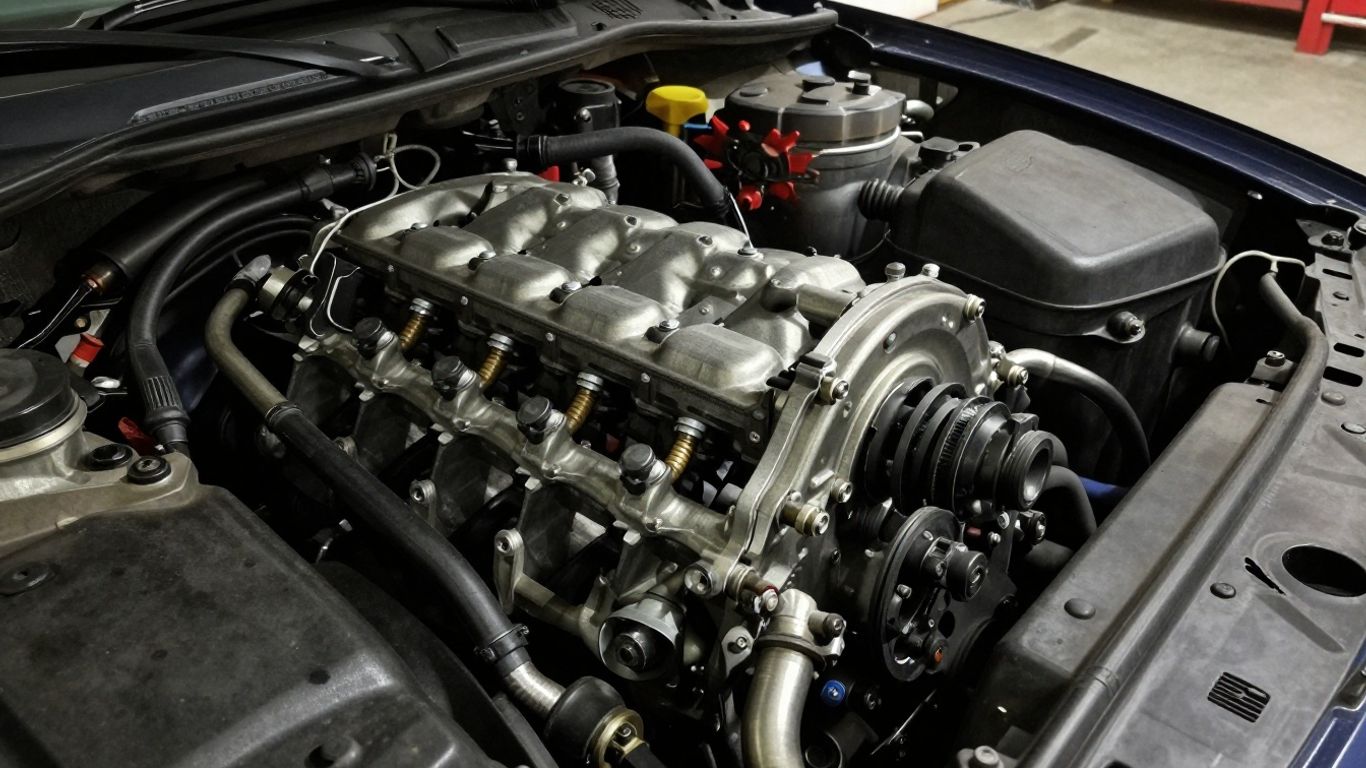
Recognizing the early warning signs of a failing fuel system saves time and prevents costly repairs later on. While modern vehicles often monitor these systems, your own observation during daily use remains the most effective diagnostic tool. If you notice a sustained shift in how the vehicle behaves, it is time to investigate the underlying causes.
Observing drops in fuel economy
Fuel efficiency is one of the most reliable metrics for checking overall engine health. If your mileage drops noticeably without a change in driving habits, you may be experiencing inadequate fuel atomization. This inefficiency often occurs because the engine compensates for low fuel volume by adjusting other parameters inconsistently.
Troubleshooting rough idling and misfires
An engine that vibrates or stalls at a stoplight is often struggling to maintain a stable idle. Myriad factors contribute to this, but dirty injectors are a primary suspect in many cases. If you want to ensure your Land Rover runs effectively, you should test for these recurring stumbles in your idle cycle.
Responding to check engine light warnings
Modern electronics will eventually flag issues that exceed threshold parameters. When the dashboard illumination alerts you, professional diagnostics can confirm if a fuel system fault exists. Do not assume minor lights are glitches; they are often the final stage of notification before performance becomes severely impacted.
Choosing between professional service and DIY cleaning
Deciding to tackle maintenance work requires an honest assessment of your tools and time. Many owners find satisfaction in performing their own work, while others prefer the peace of mind provided by expert technicians using professional fuel system maintenance standards. Regardless of your choice, the end goal is to ensure the job is done thoroughly.
The costs of professional fuel system maintenance
Service costs vary based on region and the specific diagnostic depth required for your vehicle. Expert shops provide comprehensive inspections that identify more than just injector health, potentially catching overlapping issues before they worsen. While this option represents a higher upfront cost, it eliminates the risk of human error during disassembly.
Necessary tools for at-home cleaning kits
If you prefer working on your own vehicle, you need specialized equipment to achieve deep internal cleaning. A high-quality pressurized system ensures that additives bypass the fuel tank and enter the rail directly. When thinking about a DIY cleaning, ensure you have reliable components for safe operation.
Risks associated with improper handling
Fuel lines operate under extreme pressure, and any error during connection or disconnection can result in hazardous leaks or system contamination. Improperly seated seals or incorrectly managed cleaning fluids can cause permanent damage to sensitive internal valves. Always work in a well-ventilated space and prioritize safety protocols over speed.
How to perform a fuel injector cleaning step-by-step
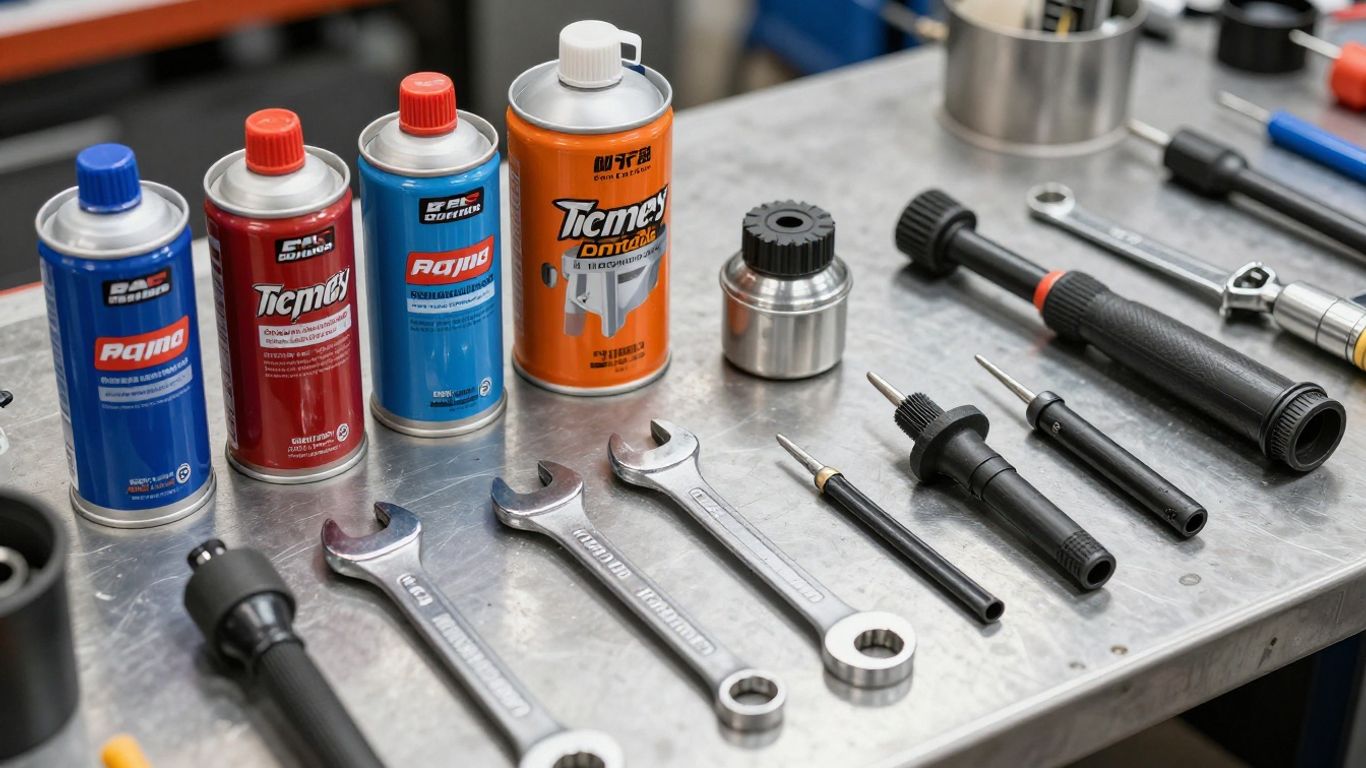
Following a systematic approach ensures that you successfully clear the fuel pathways without causing incidental damage to other subsystems. Precision is necessary during each phase, from the initial setup to the final verification. Using the Regenesis Roofing & Restoration LLC standards for quality service as a mental model, prepare your workstation thoroughly.
Preparing the vehicle and safety precautions
Start by ensuring the engine is cool and the workspace is free of potential ignition sources. Depressurize the fuel system carefully before any physical connection is made to the rail. You might consider using a diagnostics guide to ensure you have mapped out the entire engine bay before you start.
Selecting effective fuel system treatments
Not every additive is formulated for professional-grade cleaning results. Look for solutions that prioritize solvent strength to dissolve stubborn carbon without damaging rubber or plastic seals within the injectors. Using high-detergent agents recommended by specialists can make a significant difference in final performance metrics.
Utilizing pressurized tools for deep cleaning
Pressurized canisters use engine vacuum or shop air to deliver cleaning agents directly into the fuel rail, bypassing the fuel filter. This allows the detergent to act immediately on the internal nozzles where carbon buildup is most persistent. Using a steady connection ensures that the fluid circulates through the injectors completely while the engine idles.
Beyond simple cleaning, you should keep an eye on maintenance as shown here:
| Maintenance Task | Frequency | Expected Benefit |
|---|---|---|
| Fuel Additive Run | Every 5k Miles | Prevents light buildup |
| Pressure System Flush | Every 30k Miles | Deep carbon removal |
| Filter Inspection | Every 50k Miles | Maintains flow rates |
Regular adherence to these intervals prevents the long-term degradation that causes permanent injector failure.
Maintaining fuel system health in luxury off-roaders
Luxury vehicles feature highly tuned engines that are particularly sensitive to fuel purity. Because these engines demand high performance, any contamination or flow restriction is immediately noticeable in the way the vehicle handles off-road terrain or highway speeds. Consistent oversight is the only way to ensure the Gold Coast Hinterland trips or daily commutes remain trouble-free.
The impact of fuel quality on injector longevity
Low-grade fuels often contain higher levels of impurities that settle as sediment over time. Using high-quality fuel from reputable pumps reduces the frequency of deep cleaning required. Investing in your fuel source is just as important as preventing permanent damage to other parts of your vehicle.
Recommended intervals for fuel system service
Most manufacturers suggest cleaning services every 30,000 to 45,000 miles to preemptively address common carbon issues. High-mileage vehicles that operate in dusty or harsh environments may require service sooner to prevent performance dips. Keeping a maintenance log allows you to stay ahead of these intervals proactively.
Long-term benefits of regular maintenance
Regularly cleaning the injectors extends the lifespan of the entire fuel system and protects against pre-ignition issues. You will experience smoother engine operation, better throttle response, and more predictable power delivery under all driving conditions. The cost of consistent maintenance is remarkably low compared to the price of an entire fuel injection assembly replacement.
Troubleshooting post-cleaning engine performance
Sometimes the engine will require a brief adaptation period after a deep cleaning process. As the deposits break away and move through the exhaust, temporary variations in idling or engine noise may occur. This is often a normal part of the process, but it should dissipate as the new chemicals clear the system.
Verifying the success of the cleaning process
After your service, take the vehicle for a drive through varying load conditions to ensure the injectors respond to throttle changes predictably. A successful cleaning will feel like a return to the engine’s baseline performance, with no hesitation when you accelerate. If the car feels consistently smoother across the rpm range, you have likely removed the majority of the blockages.
Addressing lingering engine hesitation
If the engine persists in sputtering or missing even after a thorough chemical flush, the issue might be deeper than simple injector clogging. You could be looking at air intake restrictions, bad spark plugs, or vacuum leaks that mimics the symptoms of injector failure. Perform a secondary inspection of these components if the cleaning did not resolve the initial symptoms.
Deciding when to consider injector replacement
In some cases, the mechanical wear inside the injector is too advanced for chemical cleaning to resolve. When an injector develops an internal short or a broken nozzle spring, it must be replaced to prevent ongoing misfires. If your diagnostics consistently identify a single failing unit despite multiple cleanings, that specific component has reached the end of its functional life.
Conclusion
Properly managing your Land Rover fuel injector cleaning schedule is one of the most effective strategies for maintaining your vehicle’s long-term health and performance. By identifying symptoms early and choosing the appropriate cleaning level, you ensure your SUV remains capable and responsive whether you are navigating city streets or tackling rugged off-road trails. Consistent care not only preserves the integrity of your fuel system but also helps you avoid the high costs of premature part replacements and unexpected roadside failures.
Frequently Asked Questions
How often should I clean my fuel injectors?
Most experts recommend a professional cleaning every 30,000 to 45,000 miles depending on your driving environment.
Can I use fuel additives instead of a full cleaning?
Fuel additives are excellent for maintenance and preventing light buildup, but they cannot remove heavy, long-term carbon deposits.
Does aggressive driving cause injector clogging?
Aggressive driving does not typically cause clogs, but it can accelerate wear in an already compromised system that is not receiving proper fuel flow.
Will a fuel injector cleaning improve fuel economy?
Yes, restoring a proper spray pattern allows the engine to burn fuel more efficiently, often resulting in noticeable gains in mileage.
What are the dangers of a DIY injector cleaning?
Working with pressurized fuel lines involves risks of spills, leaks, and potential injury if you are not familiar with engine safety protocols.
How do I know if an injector is completely broken?
If cleaning fails to resolve a persistent misfire code specifically tied to one cylinder, the mechanical components of that injector are likely failed.
Do short trips affect injector health?
Short trips prevent the engine from reaching full operating temperature, which can promote faster carbon buildup inside the injectors over time.