

Key Takeaways
A battery that is flat by morning can point to an aging battery, a charging fault, or current still flowing after the vehicle is parked. A few careful checks can help narrow down the cause without disturbing the evidence.
- Note whether the trouble happens after one night or only after several days parked.
- Check battery condition and charging performance before assuming there is a parasitic draw.
- Look for lights, accessories, damaged wiring, or modules that may remain active.
- Measure key-off current only with the correct tools and a safe procedure.
- If the cause is unclear, have a qualified technician diagnose the electrical system.
What overnight battery drain looks like
A battery that struggles after the vehicle has been parked may be weak, undercharged, or losing power while the vehicle is off. The timing and symptoms are useful clues, but they do not identify a cause by themselves. Start by noting what happens when you try to start the vehicle and whether the issue repeats.
Distinguishing a weak battery from a charging problem
A weak battery may have trouble starting the engine even when the charging system is working normally. A charging problem can leave a healthy battery short of charge after driving, so the vehicle may start once and then fail later. Testing both systems is more useful than replacing parts based on one symptom.
These clues can help organize what you observe, though proper testing is needed to confirm the cause.
| Clue | Possible direction | Useful next check |
|---|---|---|
| Slow crank after sitting | Low charge or weakened battery | Test battery condition and charge |
| Battery repeatedly loses charge | Possible key-off current draw | Measure current after systems settle |
| Low charge after driving | Possible charging fault | Test charging-system output |
| Loose or corroded terminals | Poor electrical connection | Inspect and clean connections safely |
A single clue is not a verdict. For example, a low state of charge can result from either a battery that no longer holds energy or a charging system that is not replenishing it.
Recognizing slow cranking, warning lights, and other symptoms
Slow cranking, dim lights, or electrical features behaving inconsistently can accompany a low battery. Warning lights may also appear when voltage is low, but they do not necessarily identify the original fault. Write down when they appear, especially whether they occur during starting or after the vehicle has been parked.
A recurring pattern is more useful than a single episode. Note how long the vehicle sat, whether it was driven briefly beforehand, and whether any accessory was left connected.
Deciding whether the vehicle is safe to drive
If the engine starts and the battery warning light is not illuminated, a short drive may be possible, but it does not prove the problem is fixed. A warning light related to charging, repeated stalling, or electrical functions dropping out calls for prompt professional attention. Avoid relying on a jump-start as a repair; it only supplies enough power to get the vehicle running temporarily.
If the vehicle will not start reliably or you are unsure what a warning means, arrange assistance rather than risking a breakdown in traffic.
Common causes of Land Rover battery drain
An overnight failure can have several different roots, and more than one issue may be present. A battery may be near the end of its service life, a charging fault may leave it undercharged, or a circuit may keep drawing power while parked. Checking the basics first can prevent unnecessary part replacement.
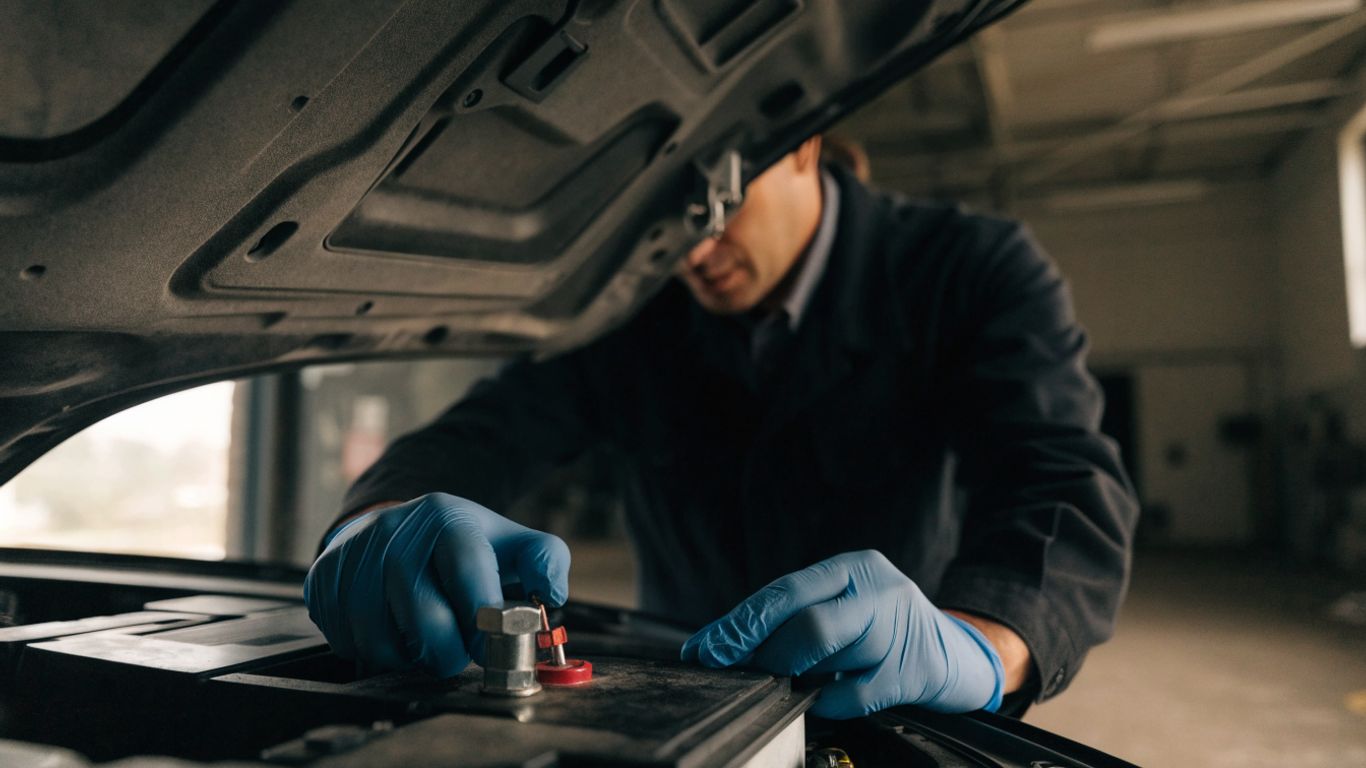
Parasitic draw from modules that stay awake
Some electrical systems continue to use a small amount of power while a vehicle is parked. The concern is a circuit that draws more than expected or fails to settle into its normal inactive state. Finding the source requires measuring current after the vehicle has had time to shut down, then identifying which circuit is responsible.
An overnight battery problem can be intermittent, so a normal reading during one test does not always rule out a draw. Record when the problem occurs and whether it follows a particular use pattern.
Faulty relays, wiring, or aftermarket accessories
A relay that remains energized, damaged wiring, or an accessory connected incorrectly can keep a circuit active. Inspect visible wiring and any recently installed equipment, but avoid pulling fuses at random: doing so can disturb vehicle systems and make the issue harder to reproduce.
A focused inspection can start with a few practical questions:
- Was an accessory installed or repaired shortly before the problem began?
- Are any interior or cargo-area lights staying on?
- Is there visible damage, corrosion, or a loose connection?
- Does the battery drain faster after a particular parking or locking routine?
The answers help direct testing without assuming that the newest component is automatically at fault. For a general overview of key-off testing and common draw sources, see this parasitic-draw testing guide.
Aging batteries and poor terminal connections
A battery can lose its ability to hold charge as it ages, and a weak battery may show its limits most clearly after the vehicle sits. Loose or corroded terminals can also interfere with charging and starting. Check the battery’s age and condition, and make sure the connections are secure before pursuing a more complicated electrical fault.
Do not judge battery health from appearance alone. A battery can look clean and still fail a proper load or condition test.
Alternator and charging-system faults
If the battery repeatedly ends up undercharged after normal driving, test the charging system as well as the battery. A fault in the alternator, related wiring, or connections can prevent the battery from receiving an adequate charge. A battery that has been deeply discharged may also need separate testing after it is recharged.
Replacing a battery without checking why it lost charge can leave the original problem in place.
Land Rover systems that can contribute to drain
Modern vehicles may have multiple electronic systems that remain active for a time after parking. The exact components and shutdown behavior vary by vehicle, so a diagnosis should be based on the specific model and its service information. Avoid assuming that a familiar symptom has the same cause across different vehicles.
Infotainment and telematics that do not shut down
An infotainment or connected system may be one circuit to investigate if current draw remains high after parking. That does not mean the system is faulty simply because it uses power; the key question is whether the draw persists beyond the vehicle’s normal shutdown period. A technician can monitor the circuit and compare its behavior with the relevant service information.
Avoid disconnecting components as a first step. Doing so may erase useful clues or create new warning messages.
Keyless entry and proximity-key behavior
Keyless systems can respond to nearby keys, so the location of a key may be worth noting during diagnosis. Try keeping the key away from the parked vehicle and see whether the pattern changes, but treat this only as an observation, not proof of a fault. If the battery continues to lose charge, electrical testing is still needed.
Keep the routine consistent when comparing results. Changing several conditions at once makes it difficult to identify what mattered.
Security systems, sensors, and control modules
Security systems and control modules may use some power while monitoring a parked vehicle. A sensor or connection that behaves inconsistently can also complicate a diagnosis, particularly if the problem comes and goes. Checking for stored fault information and testing circuits methodically can help distinguish normal activity from a fault.
Do not assume that a warning message points directly to the part that needs replacement. Low voltage can affect more than one system, so technicians generally consider the overall electrical condition.
Differences across models and mild-hybrid systems
Electrical layouts and diagnostic procedures differ between model years and vehicle configurations. Mild-hybrid vehicles may also have additional electrical components, which makes model-specific service information especially important. A discussion of MHEV 12-volt battery drain can offer a relevant starting point, but it is not a substitute for testing the particular vehicle.
Use the correct procedure for the vehicle being diagnosed. If you are comparing reports online, a discussion of the L322 battery-drain issue concerns a particular model and should not be assumed to describe every vehicle.
How to diagnose the drain
Diagnosis works best as a sequence: confirm the battery can hold charge, check the visible connections, and then test for current draw if the first checks do not explain the problem. Keep a note of how long the vehicle sits and what conditions precede the failure. That record may help reproduce an intermittent fault.
Check battery age, condition, and state of charge
Begin with the battery label or service record to establish its age, then check its state of charge and condition with suitable test equipment. If it is discharged, recharge it using an appropriate method before interpreting a condition test. A depleted battery may give misleading results until it has been charged.
Keep the vehicle’s actual symptoms in view while testing. For general vehicle checks, use vehicle-specific information; material on tooth-care routines, Sharjah service charges, insurance exclusions, property valuations, or non-invasive pain care cannot establish a car’s battery condition or current draw.
Inspect terminals, grounds, and visible wiring
With the vehicle off, look for loose battery terminals, corrosion, damaged insulation, or signs of a poor connection. Check accessible ground connections as well, since a poor ground can cause starting and electrical problems. If a cable is damaged or the inspection requires dismantling components, leave the repair to a qualified technician.
A clean-looking connection can still be loose, and corrosion may be hidden where a cable meets a terminal. Careful inspection should lead to testing, not guesswork.
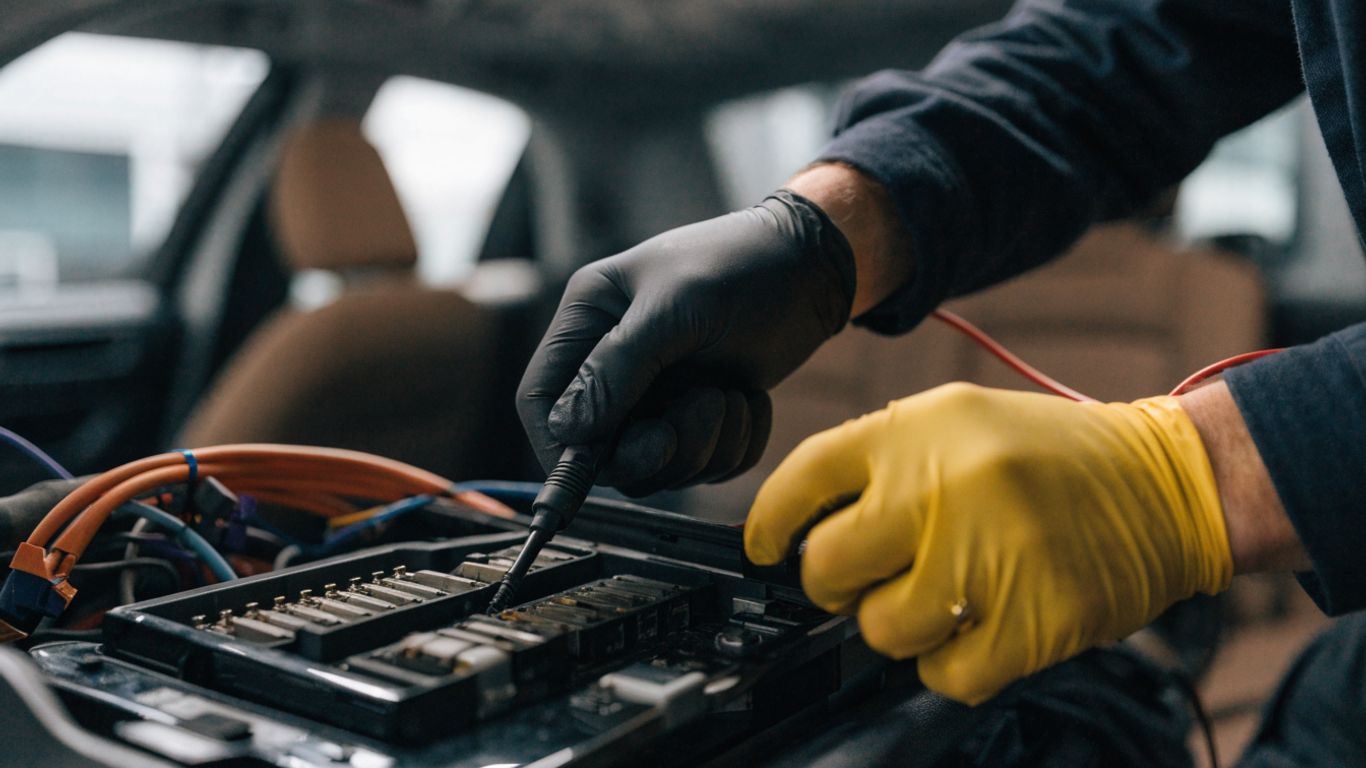
Measure parasitic current safely with a multimeter
A multimeter can help measure current draw, but connecting it incorrectly can damage the meter or interrupt vehicle circuits. Follow the meter and vehicle procedures, use the correct range and connection points, and allow electronic systems to settle before recording a reading. If you are not confident about the setup, ask a technician to do the test.
The reading is meaningful only in context: the vehicle must be in the correct parked state, and the expected draw depends on the specific vehicle and its systems. A single number without that context can lead to a false diagnosis.
Watch any instructional video as background rather than as a substitute for the correct service procedure. Vehicle electronics can be sensitive to interruptions, so stop if the test setup is uncertain.
Isolate the circuit without waking vehicle modules
Once an excessive draw is confirmed, the next task is to narrow it to a circuit while avoiding actions that wake the vehicle’s modules. Opening doors, operating controls, or removing fuses without a plan can change the reading. A technician may use vehicle-specific procedures and circuit information to keep the test controlled.
The Range Rover owner’s intermittent drain account illustrates why an intermittent issue can be difficult to reproduce; an individual account is a clue, not proof of the cause in another vehicle. Record the circuit and conditions associated with a repeatable change in current before replacing anything.
How to fix the underlying problem
The right repair depends on what testing finds. A battery that fails its condition test needs a different response from a circuit that remains active after parking. Confirm the fault first, then verify the repair by checking that the vehicle starts and the electrical system behaves normally.
Replace or recharge a battery that fails testing
Recharge a discharged battery using a suitable charger and the correct procedure, then retest it. If it cannot hold charge or fails a condition test, replacement may be needed. Use a battery that matches the vehicle’s requirements and follow any applicable installation and registration procedures.
A new battery will not prevent another discharge if a charging fault or parasitic draw remains. Retest the system after installation rather than treating replacement as the end of diagnosis.
Repair charging faults and damaged connections
If testing identifies a charging-system issue, repair the faulty component or connection and check the system again. Damaged cables, poor grounds, and loose terminals should be corrected safely, with connections secured as specified. A follow-up test helps confirm that the battery is being charged appropriately.
If a warning light remains on or the test results are unclear, avoid continuing to drive on the assumption that the problem has resolved itself.
Identify and correct a parasitic draw
When a circuit is drawing too much power while parked, trace the cause within that circuit. The repair might involve correcting wiring, a relay, an accessory installation, or a component that is not shutting down as intended. Confirm the change with a repeat current test after the vehicle has settled.
Replacing multiple parts without evidence can be expensive and may not address the cause. Preserve test results and note what changed after each repair.
Reset or update modules when appropriate
A module reset or software update may be appropriate when diagnosis and service information point to it. It should not be used as a catch-all response to a flat battery. Confirm that the relevant procedure applies to the vehicle, and check whether the problem returns after the work is complete.
Some repairs require specialist diagnostic equipment or procedures. If a reset affects settings or stored information, ask the technician what to expect before work begins.
How to prevent the battery from draining again
Prevention starts with understanding why the battery lost charge in the first place. Once the fault is repaired, sensible parking habits and periodic checks can reduce avoidable strain. If the problem returns, note the conditions rather than repeatedly jump-starting the vehicle and hoping it passes.
Adjust vehicle and accessory use while parked
Before leaving the vehicle, check that lights and accessories are off and remove any equipment that should not remain powered. Pay attention to recently installed accessories and follow their instructions for parked use. If the issue seems tied to a particular routine, change one thing at a time and record the result.
A consistent parking routine also makes an intermittent drain easier to investigate. Small observations can save time later.
Keep the battery charged during extended storage
A vehicle that sits for a long period may need a suitable maintenance charger, used according to the charger and vehicle instructions. Confirm that the connection method is approved for the vehicle and keep the battery in a safe, ventilated location where required. If you are unsure, ask a technician before connecting equipment.
Avoid assuming that a short drive will fully restore a deeply discharged battery. Check its charge and condition instead.
Monitor battery health and charging performance
Pay attention to slower starts, recurring low-charge warnings, or a battery that needs repeated boosts. Keep records of battery tests and charging-system checks, particularly if the vehicle is used mainly for short trips or spends long periods parked. These details can help a technician identify a trend before the next no-start.
A change in symptoms is worth noting, even if the vehicle still starts. Early testing is generally easier than diagnosing a failure after the battery is fully depleted.
Know when to seek a Land Rover specialist
Seek a qualified specialist if the battery repeatedly goes flat, warning lights persist, or the diagnosis involves complex wiring or control modules. Bring your notes about parking time, recent repairs, accessory use, and battery tests. Clear observations make it easier to reproduce the fault and avoid unnecessary parts replacement.
If the vehicle is under warranty or uses systems you are unfamiliar with, check the appropriate service guidance before attempting electrical work.
Conclusion
When a battery is flat by morning, the cause may be the battery itself, the charging system, or a circuit that keeps drawing power while parked. Check the battery and connections first, then use a careful, vehicle-specific diagnosis to identify the underlying fault. A confirmed repair and a follow-up test are the best way to reduce the chance of another unexpected no-start.
Frequently Asked Questions
Why does a car battery die overnight?
A battery may be weak or undercharged, the charging system may not be replenishing it, or an electrical circuit may continue drawing power while the vehicle is parked. Testing helps distinguish among these possibilities.
Can a weak battery cause warning lights?
Low voltage can affect electrical systems and may coincide with warning lights. A warning should still be checked rather than assumed to be caused by the battery alone.
How can I tell if the battery or alternator is at fault?
Test the battery’s condition and state of charge, then check charging-system performance. Symptoms alone are not reliable enough to identify which part is responsible.
Is a small amount of key-off current normal?
Many vehicles use some power while parked for functions that remain active. The acceptable amount depends on the vehicle and its systems, so use its service information when interpreting a test.
Should I disconnect the battery if it keeps going flat?
Disconnecting a battery may affect vehicle settings or systems and can complicate diagnosis. Check the vehicle instructions or consult a qualified technician before doing so.
Will driving recharge a flat battery?
Driving may replenish some charge, but it may not restore a deeply discharged or failing battery. Recharge and test it using an appropriate method, and investigate why it became depleted.
When should I get professional help?
Get help if the battery repeatedly loses charge, a charging warning remains on, or you are unsure how to test current draw safely. Electrical diagnosis can require vehicle-specific procedures and equipment.