
Key Takeaways
Transmission slipping usually shows up as delayed engagement, rising engine speed without matching acceleration, or gear changes that feel unusually harsh. Prompt diagnosis matters because a fluid issue may be manageable, while continued driving with internal damage can make the repair much more expensive.
- Watch for delayed drive or reverse engagement, flare-ups in engine speed, and abrupt shifts.
- Check for low or degraded fluid, leaks, warning lights, and burning odors.
- Towing, off-road use, heat, mileage, and postponed service can increase transmission stress.
- Diagnosis may require fluid checks, fault-code scanning, road testing, pressure testing, or internal inspection.
- Stop driving when slipping is severe, engagement is lost, or the vehicle shows signs of overheating.
How to recognize Land Rover transmission slipping
Land Rover transmission slipping can be subtle at first. The vehicle may still move normally most of the time, with symptoms appearing only during acceleration, hill climbing, or a cold start. Paying attention to when the problem occurs can help a technician separate a transmission fault from an engine, driveline, or electronic problem.
Delayed engagement when shifting into drive or reverse
A noticeable pause after selecting Drive or Reverse is one of the clearer warning signs. The engine may rev while the vehicle remains still, then the gear engages with a lurch. A brief delay can have several explanations, but a recurring or worsening delay deserves a proper inspection rather than repeated selector movements.
Engine revs rising without a matching increase in speed
Slipping often feels like the engine has suddenly disconnected from the wheels. The tachometer climbs during acceleration, yet road speed does not increase as it should. The sensation may be most obvious when climbing a hill or pressing the accelerator to pass, and it should not be dismissed as normal high-rev behavior.
Harsh, erratic, or unexpected gear changes
A healthy automatic transmission should shift with reasonably consistent timing. Flare-ups between gears, a hard bump into the next gear, hesitation, or an unexpected downshift can indicate a hydraulic, mechanical, or control issue. A useful transmission warning signs guide can help owners organize these observations before booking an inspection.
Warning lights, burning smells, or fluid leaks
A warning light does not identify the failed component by itself, but it raises the urgency of diagnosis. A hot or burnt odor may point to overheated fluid or clutch material, while reddish, brown, or oily drops beneath the vehicle suggest a leak. If the vehicle begins losing drive, stop in a safe place rather than trying to nurse it home.
What causes a Land Rover transmission to slip
A slipping transmission is a symptom, not a single diagnosis. Fluid level and condition are common starting points, but the underlying cause may involve worn friction components, hydraulic pressure, electrical controls, or another part of the powertrain. The repair decision should follow testing instead of being based on the symptom alone.
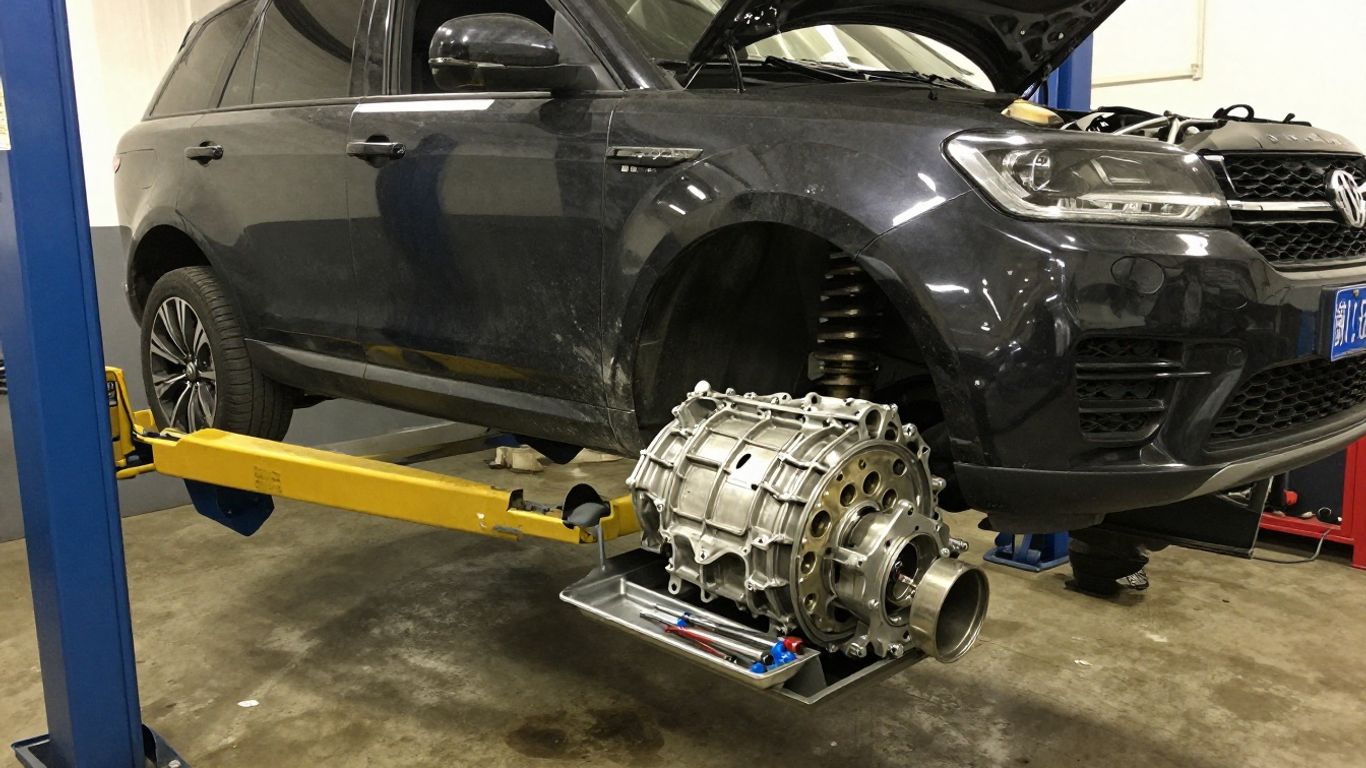
Low, contaminated, or incorrect transmission fluid
Automatic transmissions depend on the correct fluid level and specification for lubrication, cooling, and hydraulic operation. A leak can lower the level, while age, contamination, or overheating can affect performance. Using the wrong fluid or checking it under the wrong conditions can also produce misleading results, so the procedure should follow the vehicle’s service information.
Worn clutch packs, bands, or internal seals
Friction materials and seals gradually wear, especially when a transmission has spent time overheated or operating with inadequate fluid. Internal leakage can reduce the pressure needed to apply a clutch pack or band. When those components are significantly worn, a fluid service may improve the symptom only briefly or not at all.
Faulty solenoids, sensors, or valve body components
Electronic controls and hydraulic passages determine when and how firmly many automatic transmissions shift. A sticking solenoid, inaccurate sensor signal, or valve body problem can cause delayed, harsh, or inconsistent engagement. Fault codes and pressure readings are often useful here, but neither should be interpreted without considering the actual driving symptoms.
Transfer case, driveline, or electronic control issues
Not every sensation that feels like slipping originates inside the transmission. Transfer-case problems, driveline wear, software faults, or communication issues between control modules can create shuddering, hesitation, or unexpected power delivery. A broader Land Rover failure causes overview is useful background, but an in-person inspection is still needed to identify the source on a particular vehicle.
Which Land Rover models and conditions are most affected
There is no single pattern that applies to every Land Rover. Model year, engine, transmission design, mileage, software calibration, maintenance history, and use all influence the symptoms. Comparing the vehicle’s exact configuration with its service records is more useful than assuming every model has the same weakness.
Common transmission concerns by Land Rover model
Range Rover, Discovery, and other vehicles in the lineup may use different automatic transmission arrangements across generations and markets. That means a delayed shift in one vehicle does not automatically point to the same repair in another. Note the model year, mileage, warning messages, driving conditions, and whether the symptom appears hot or cold before seeking advice.
How towing and off-road driving increase transmission stress
Heavy loads, steep grades, low-speed maneuvering, and repeated changes in traction can raise heat and increase the work required from the transmission and driveline. Off-road driving can also expose components to water, mud, and impacts. Towing within the vehicle’s limits still calls for sensible speeds, appropriate gearing, and attention to temperature-related symptoms.
The effects of heat, mileage, and delayed maintenance
Heat accelerates fluid degradation and can shorten the life of seals and friction materials. Higher mileage does not guarantee failure, but it increases the importance of service history and leak checks. Delaying a small engagement problem can allow more slipping, which creates additional heat and wear.
Why symptoms can vary between automatic transmission types
Different automatic transmissions use different combinations of clutches, bands, solenoids, hydraulic circuits, and control strategies. One may show a flare during an upshift, while another produces a delayed reverse engagement or a fault message. For that reason, generic advice should be treated as a starting point, not a final diagnosis.
How a slipping transmission is diagnosed
Diagnosis begins with reproducing the complaint and gathering basic facts. A technician will usually combine the vehicle history with a visual inspection, electronic scan, and road test. The goal is to determine whether the problem is fluid-related, mechanical, hydraulic, electronic, or outside the transmission itself.
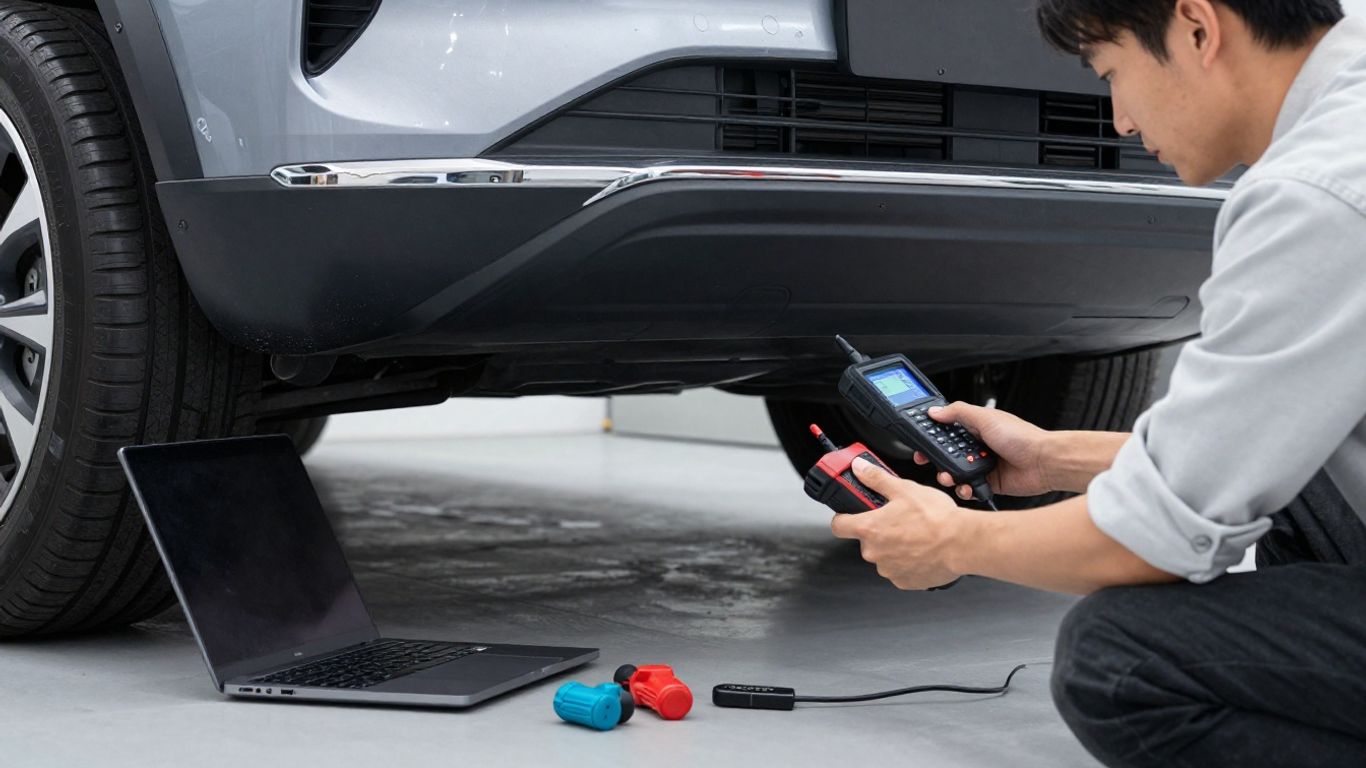
Checking fluid level, condition, and possible leaks
The inspection may include fluid level, color, odor, visible debris, pan condition, and evidence of leakage around seals, lines, or housings. Fluid checks are not interchangeable between vehicles; temperature and procedure can matter. A low level should prompt a search for the leak rather than a simple assumption that topping up has fixed the problem.
Scanning for transmission and powertrain fault codes
A scan tool can reveal stored, pending, or communication-related codes from transmission and powertrain modules. Those codes narrow the search but do not prove that a particular solenoid or sensor is defective. They should be compared with live data, service information, and the driver’s description of the event.
Road-testing shift quality and engagement behavior
A controlled road test helps reproduce the symptom under light throttle, firm acceleration, hill loading, and different temperatures. The technician may watch engine speed, vehicle speed, shift timing, gear selection, and the conditions that trigger the fault. This can distinguish a repeatable transmission issue from an intermittent driveline vibration.
A short video of the symptom can also help when the problem is intermittent, provided it is recorded safely by a passenger or while the vehicle is parked. The footage should supplement, not replace, a professional road test.
Using pressure tests and internal inspection when needed
If external checks do not explain the slipping, pressure testing can assess hydraulic operation. Removing the pan may reveal debris or component material, while deeper internal inspection may be necessary to evaluate clutch packs, seals, bands, or hard parts. These steps help determine whether a targeted repair is realistic or whether the unit needs rebuilding or replacement.
What to do when your Land Rover transmission starts slipping
The safest response depends on severity. A single mild hesitation is different from a transmission that repeatedly flares, bangs into gear, smells hot, or loses forward or reverse movement. Treat a worsening symptom as a mechanical warning, not as an inconvenience to work around.
When it is safe to drive and when to stop immediately
If the vehicle engages normally, shows no warning light or overheating odor, and slips only briefly, a short, gentle trip to a repair facility may be reasonable. Avoid driving if it cannot select a gear, repeatedly loses propulsion, makes severe noises, leaks heavily, or produces smoke or a strong burning smell. When in doubt, arrange a tow.
Temporary steps that may reduce further damage
Until the vehicle is assessed, reduce load and avoid towing, steep climbs, hard acceleration, and extended traffic crawling. Do not keep shifting between Drive and Reverse to force engagement. Record the conditions that trigger the problem, including temperature, speed, throttle position, and warning messages; that information can save diagnostic time.
Why adding fluid or using additives may not solve the problem
Adding the correct fluid can restore operation when the level is genuinely low, but it cannot replace worn friction material or repair a damaged seal. An additive may also mask a symptom or introduce an unsuitable chemical into a system that requires a particular specification. Confirm the fluid, level, leak source, and cause before authorizing a service.
When to choose a Land Rover specialist or transmission shop
Choose a facility that can access the vehicle’s diagnostic systems and understands the transmission fitted to that specific model and year. Ask what testing is included, whether the estimate separates diagnosis from repair, and what warranty applies to rebuilt or replacement work. A transmission service discussion may offer owner perspective, but forum experiences should not replace a documented inspection.
Land Rover transmission repair and replacement options
Repair options range from a service procedure to a complete replacement. The right choice depends on the confirmed failure, the condition of the rest of the vehicle, parts availability, and the owner’s plans for it. A clear estimate should explain what failed and why the proposed work addresses that failure.
Fluid service, software updates, and minor electrical repairs
If testing finds low or degraded fluid without substantial internal damage, the shop may recommend the specified fluid and filter service. A software update, wiring repair, connector repair, or sensor replacement may be appropriate when control faults are confirmed. These lower-scope repairs should not be presented as a cure for a mechanically worn transmission.
Solenoid, valve body, and seal replacement
A confirmed solenoid, valve body, or accessible seal problem can sometimes be repaired without replacing the entire unit. The technician should explain whether the repair requires pan removal, valve body removal, or significant disassembly. New fluid and adaptation procedures may be part of the completed work, depending on the transmission design.
Rebuilding the existing transmission
A rebuild involves disassembling the unit, inspecting hard parts, replacing worn friction components and seals, and reassembling it to the shop’s specification. It can preserve the original housing and address multiple internal wear points. The written warranty, parts used, machine work, and break-in or adaptation requirements deserve careful review.
Installing a used, remanufactured, or new replacement unit
A used unit may cost less initially, but its history and remaining service life can be uncertain. A remanufactured unit is rebuilt to a stated specification and should come with clear warranty terms, while a new unit may offer the most predictable baseline at a higher price. Confirm compatibility, programming requirements, included components, labor coverage, and the remedy if the replacement does not resolve the complaint.
How to prevent future transmission slipping
Prevention is mostly consistent maintenance and early attention to small changes. It cannot eliminate normal wear, but it can reduce avoidable heat, fluid loss, and delayed diagnosis. Keep invoices and note the exact fluid and parts used so future service is based on a reliable record.
Following the correct fluid and service intervals
Use the fluid specification and service procedure intended for the fitted transmission, rather than choosing a product because it is described as universal. Follow the maintenance schedule that applies to the vehicle’s mileage and operating conditions. Severe use, frequent towing, and regular off-road driving may justify asking whether a different service interval is appropriate.
Inspecting for leaks before they become major failures
Look for fresh spots after parking and pay attention to dampness around the transmission, cooler lines, transfer case, and related housings. A small leak can become significant when seals deteriorate or a line is damaged. Repairing the source early is generally less disruptive than driving until the fluid level drops far enough to cause slipping.
Using the right driving practices for towing and off-roading
Stay within the vehicle’s rated load, use the recommended towing setup, and avoid unnecessary throttle changes on steep or loose surfaces. Allowing the drivetrain to cool after demanding work can help reduce heat exposure. If the vehicle develops a new smell, delayed engagement, or repeated flare while working hard, stop and investigate rather than continuing the outing.
Keeping transmission software and related systems up to date
Ask whether applicable software updates or control-module procedures apply when a transmission shifts poorly. Also keep an eye on battery and charging-system health, since unstable voltage or communication faults can complicate electronic diagnosis. Updates are not a substitute for worn hardware, but keeping related systems current removes one avoidable source of confusion.
A simple service record can make prevention easier. Track fluid services, leak repairs, warning lights, towing use, and any change in shift quality; patterns are often more useful than a single isolated observation. For broader maintenance reading, an automatic transmission symptom guide can help organize questions for a repair appointment, while early warning indicators provide another general checklist.
Conclusion
Land Rover transmission slipping should be treated as an early warning rather than a problem to ignore. Careful observation, correct testing, and timely repair can prevent a manageable fluid or control issue from becoming extensive internal damage. When symptoms are severe, stopping safely and arranging professional diagnosis is the more economical choice.
Frequently Asked Questions
What does transmission slipping feel like?
It often feels like the engine speed rises without a matching increase in road speed, especially during acceleration or hill climbing. Delayed engagement and inconsistent shifts are also common clues.
Can low transmission fluid cause slipping?
Yes, a low fluid level can reduce lubrication, cooling, and hydraulic pressure. The cause of the low level still needs to be found, because adding fluid alone will not repair a leak or internal wear.
Is it safe to drive with a slipping transmission?
A short, gentle trip may be possible when the symptom is mild and there are no warning signs, odors, leaks, or losses of propulsion. Severe or worsening slipping calls for stopping and arranging a tow.
Will a transmission fluid change fix slipping?
It may help when degraded or insufficient fluid is the primary cause. It is unlikely to restore worn clutch material, damaged seals, or serious mechanical components.
What causes harsh automatic transmission shifts?
Possible causes include fluid problems, hydraulic faults, worn components, failed solenoids or sensors, software issues, and driveline faults. Testing is needed to tell these causes apart.
How long can a slipping transmission last?
There is no reliable mileage or time estimate. Continued slipping can create heat and accelerate damage, so delaying diagnosis can change both the repair scope and the cost.
Should transmission additives be used?
Do not use an additive unless it is specifically approved for the transmission and recommended by a qualified technician. The wrong product can complicate diagnosis or affect fluid behavior.