
Key Takeaways
Maintaining the cooling system is critical for vehicle longevity. These core points explain why issues occur and how to manage them effectively.
- Pressurized cooling circuits handle extreme heat cycles.
- Plastic components require periodic inspection for brittleness.
- Internal leaks often exhibit signs in engine oil or exhaust.
- Regular pressure testing identifies hidden system failures.
- Manufacturer-approved fluids ensure optimal thermal management.
Understanding the cooling system design in Land Rover vehicles
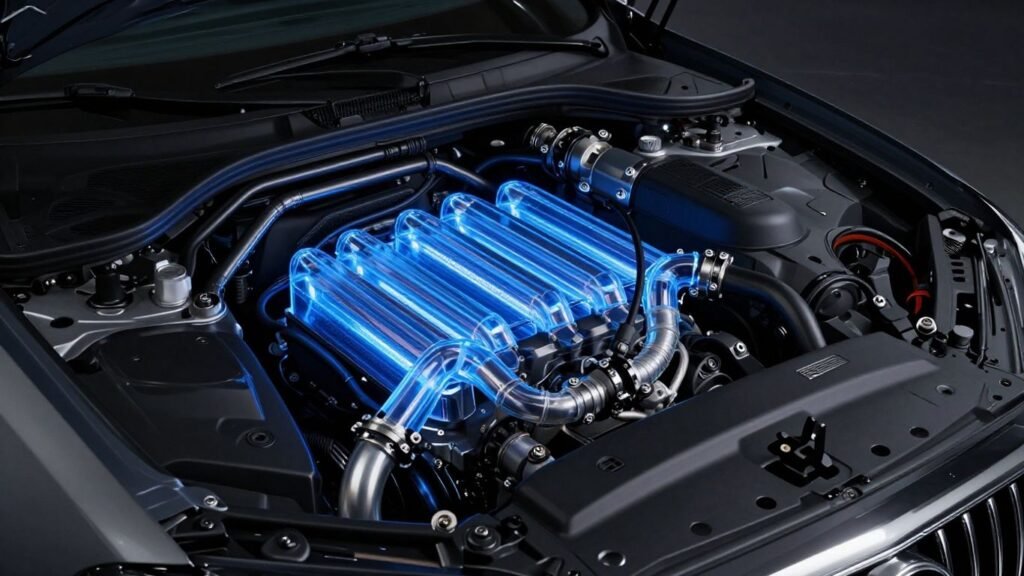
Land Rover vehicles utilize high-pressure cooling circuits designed to dissipate heat from robust engine blocks. This pressurized environment allows for higher operating temperatures while maintaining thermal efficiency across various driving conditions. Understanding this design is the first step toward effective maintenance.
Overview of pressurized cooling circuits
The closed-loop design ensures that coolant moves efficiently through the engine, radiator, and heater core. By operating at higher pressures, these systems prevent premature boiling and minimize vapor lock. Consistent coolant flow is essential to maintain engine temperature within strict operating ranges.
Importance of specialized coolant chemistry
Using correct coolant formulas is vital for preventing internal corrosion and scaling within the radiator. These fluids are specifically engineered to interface with modern alloy engines and seals. When selecting products, always prioritize manufacturer-approved coolant formulas to avoid chemical inconsistencies that could lead to sludge buildup or seal deterioration.
Impact of plastic component thermal cycling
Thermal cycling happens when components expand and contract rapidly during heavy use. Over time, plastic housings, T-junctions, and expansion tanks undergo significant stress. This repeated physical movement typically results in hairline fractures or seal bypasses.
| Component Type | Primary Failure Indicator | Recommended Inspection |
|---|---|---|
| Molded Hoses | Visible Rubber Cracks | 30k Miles |
| Plastic Connectors | Coolant Seepage | 50k Miles |
| Expansion Tank | Fluid Level Drops | 20k Miles |
Monitoring these specific parts is necessary because they often fail silently until a leak develops. By evaluating the physical integrity of these materials, you can address potential issues before they become terminal.
Identifying common failure points in hoses and connectors
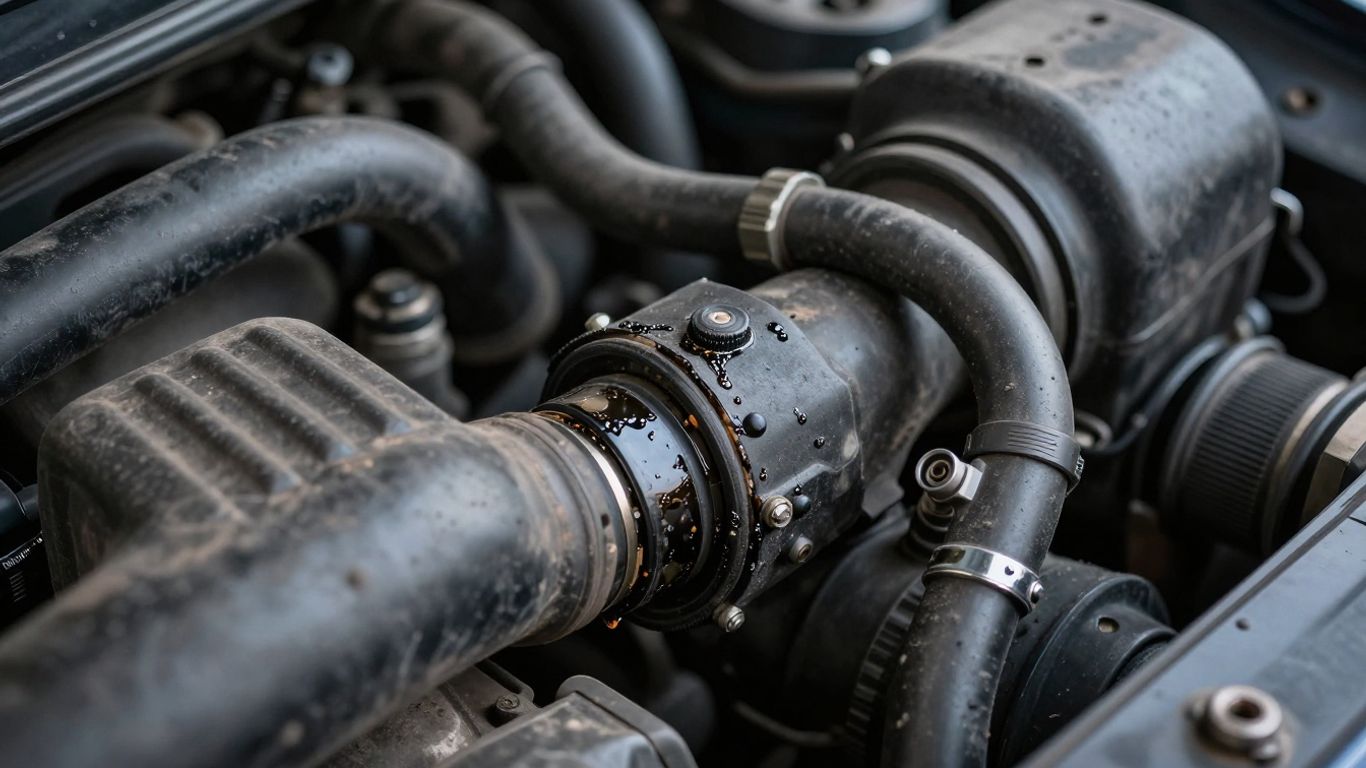
Vehicle owners often find that the most frequent leaks occur at junction points where hoses meet rigid connectors. These areas are prone to fatigue due to the constant vibration and temperature fluctuations of the engine bay. It is recommended to perform a visual scan of your Land Rover coolant loss causes by checking these connections first.
Deterioration of molded rubber coolant hoses
Molded hoses carry pressurized fluid to critical heat exchangers. As these rubber components age, they harden and lose their elasticity, making them susceptible to cracking at mounting points. Once the structural integrity is compromised, even minor pressure surges can cause a sudden rupture.
Plastic heater pipe connector degradation
Heater pipes often feature plastic clips and snap-fit connectors that fail under high-heat conditions. These parts frequently become brittle, eventually snapping under slight mechanical pressure during routine service of the eBay Payment Policy or related engine maintenance. They rarely provide warning signs before they snap, leading to rapid fluid loss.
Failures in coolant expansion tank seals
Expansion tanks regulate fluid levels by managing overflow during heating cycles. The seals and caps must be perfectly seated to maintain system integrity. Without a tight seal, pressure builds incorrectly, causing these common symptoms:
- Sweet maple aroma near the engine bay.
- White residue forming around the tank cap.
- Erratic heating performance in the cabin.
- Persistent low coolant warning lights.
Addressing these issues early prevents much larger problems like liver health markers related to environmental contamination from leaking fluids. Keeping the tank clean ensures that any small seepage is caught before it leads to overheating.
Addressing engine-specific coolant leak issues
Engine cooling designs vary significantly depending on the specific model architecture. Some layouts are more complex than others, requiring tailored diagnostic approaches to catch potential faults early. Ignoring these variations when conducting manual lead follow-up for maintenance appointments might lead to incomplete repairs.
Known vulnerabilities in Ingenium engine cooling
Owners of the 3.0L I6 Turbo Ingenium should be aware of specific hose failures related to the turbo cooling circuit. Heat degradation often targets the fittings feeding the turbocharger, which can result in rapid depletion of coolant volumes. It is essential to ensure peak engine performance by monitoring these specific pathways for seepage.
Issues related to the Jaguar-Land Rover V8 water pumps
High-mileage V8 models often experience wear in the internal mechanical seals of the water pump. As the pump bearings age, the surrounding housing may allow fluid to drip onto the drive belt area. This should be addressed as part of any standard Range Rover cooling guide diagnostic routine.
Thermal management problems in diesel variants
Diesel variants carry heavy internal loads that require consistent cooling. Problems here often stem from the thermal management module struggling with extreme operating temperatures. If you notice localized heat spikes, investigate the circulation pathways for potential blockages or sensor malfunctions.
Recognizing signs of internal coolant loss
Internal coolant loss presents a higher risk of terminal engine damage compared to external leaks. When coolant enters combustion chambers, it disrupts the internal balance of the vehicle, which is a major concern when assessing Land Rover coolant loss causes.
Identifying head gasket failure symptoms
White smoke from the tailpipe is the most visible sign of coolant burning within the cylinders. This indicates that the head gasket has likely lost its ability to seal the cooling channels from the combustion core. A professional CS2 tactical guide approach to inspecting the engine block can help isolate where the breach is occurring.
Inspecting spark plugs for coolant contamination
Spark plugs provide a direct view into the combustion chamber. If coolant is present, the ceramic or electrode tips may appear abnormally clean or display a chalky, white residue. This contamination often causes misfires during cold starts before the engine reaches operating temperature.
Analyzing engine oil for signs of cross-contamination
Mixing coolant and oil is catastrophic for internal bearings. If your oil displays a milky, chocolate-colored texture during a change, fluid is bypassing the gasket or oil cooler. You must immediately drain the system and seek professional intervention.
Diagnosing coolant loss through pressure testing
Pressure testing mimics the high-load environment of the engine, forcing leaks to appear even when the vehicle is stationary. This is the most accurate method to Land Rover Ingenium cooling issues identification for modern models.
Equipment required for vacuum and pressure testing
A specialized pressure kit with adaptors for the reservoir is mandatory for accurate results. By pressurizing the system to the manufacturer’s specified bar limit, you can observe if the system holds or bleeds pressure. If the pressure drops, follow the path of the escaping fluid or listen for air hissing.
Interpreting pressure drop charts for leak identification
Charts help mechanics understand the leakage rate versus the time duration. A steady drop usually points to a pinhole leak in a hose, while a rapid drop typically suggests a major failure in the pump or radiator. Using these charts prevents unnecessary replacement of healthy components.
Locating hidden leaks using UV dye injection
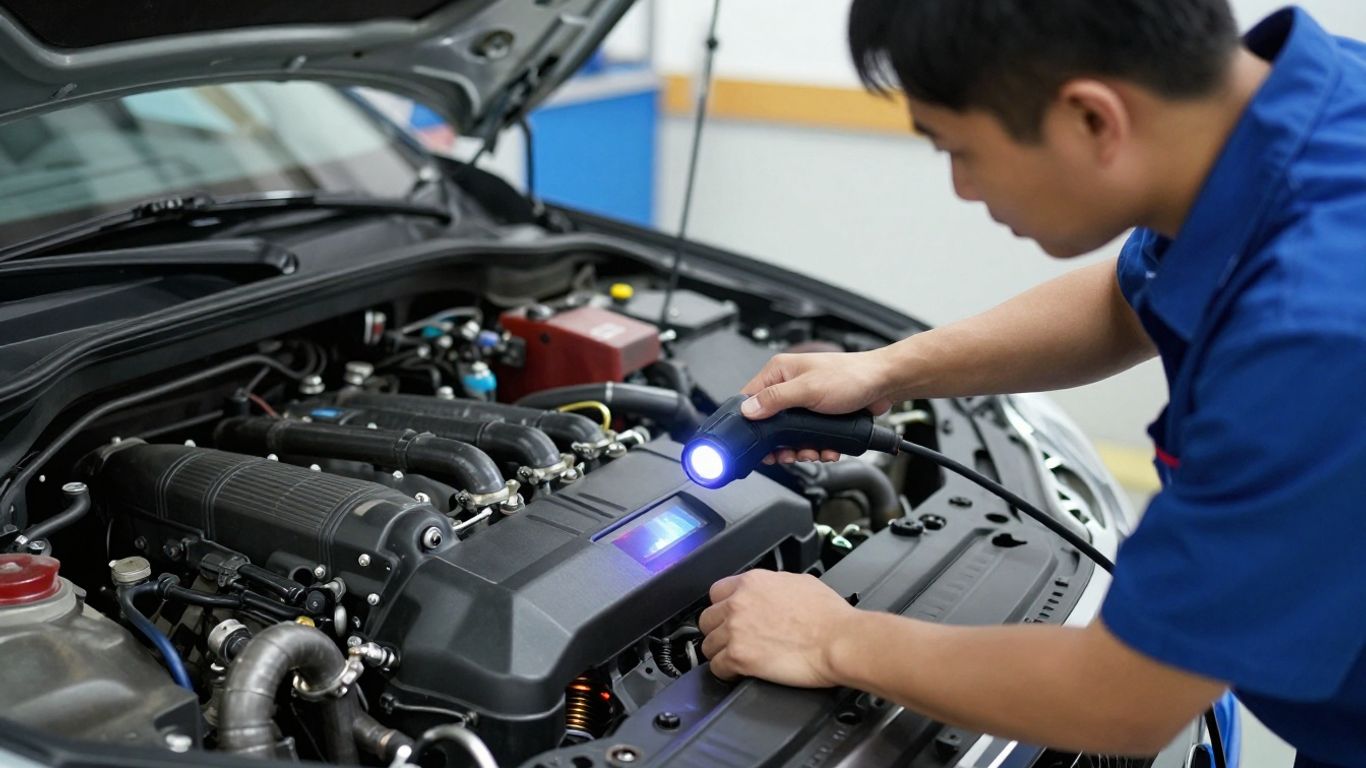
UV dye is highly effective for finding leaks in tight, inaccessible areas. By injecting the solution into the coolant reservoir and running the engine, the dye highlights the entry site under a black light. This reveals hidden cracks that are otherwise invisible to the naked eye.
Best practices for long-term cooling system maintenance
Maintenance should be proactive rather than reactive, especially given the density of modern engine components. Keeping a detailed log of all Range Rover coolant lawsuits and service intervals is a great way to stay ahead of common wear patterns.
Establishing a preventative component replacement schedule
Instead of waiting for a failure, replace aging hoses and plastic connectors every five to seven years. This rhythm aligns with many standard major service intervals and drastically reduces the chance of emergency roadside repairs.
Monitoring coolant reservoir levels during regular service
Checking reservoir levels during every oil change takes only seconds but pays off immensely. Significant drops indicate that a small leak exists, even if there is no visible puddle on your driveway. Consistent monitoring allows for calm, controlled repairs.
Importance of using manufacturer-approved coolant formulas
Never mix different types of coolant or substitute with water, as this forces the engine to fight against mineral deposits and corrosion. Always stick to the OEM-recommended fluid profile to protect your investment and maintain factory-intended thermal efficiency.
Conclusion
Tracking cooling system integrity is the most effective way to safeguard your vehicle’s engine from sudden, catastrophic failure. By paying closer attention to plastic connectors, rubber hoses, and fluid color, you can catch most leaks in their infancy. Regular pressure testing and the use of correct fluids will ensure that your vehicle remains both reliable and safe for years of driving ahead.
Frequently Asked Questions
How often should I check the coolant level?
It is best to check the reservoir level once a month or before any long-distance trip, as early detection of a small dip can prevent terminal engine damage.
Are coolant leaks common in older vehicles?
Yes, as rubber hoses and plastic components age, they undergo thermal stress that leads to degradation and subsequent leaks in many high-mileage vehicles.
Can I use universal coolant in my system?
It is strongly advised to only use manufacturer-approved coolant formulas because specialized blends are specifically designed to interact safely with aluminum engine parts and specific seal materials.
What do I do if I see white smoke from the exhaust?
White smoke is a primary indicator of internal fluid breach, likely a head gasket failure, and you should stop driving the vehicle immediately to prevent severe internal damage.
Can simple pressure testing find every leak?
Pressure testing is highly effective for identifying most external leaks, but some internal or micro-leaks may require additional diagnostic methods like pressure drop monitoring or UV dye injection.
Why does using tap water as a coolant top-off cause damage?
Tap water contains minerals and impurities that cause scale buildup, clogging radiator cooling fins and eventually leading to localized engine overheating.
Is it normal for coolant reservoirs to need refilling occasionally?
No, the cooling system is a closed-loop and should not lose fluid; a consistent drop is almost always a sign of an active, albeit potentially slow, leak.