
Key Takeaways
A throttle body problem can affect idle quality, acceleration, and engine response, but replacement is not always the first answer.
- Symptoms can overlap with vacuum leaks, sensor faults, wiring problems, and battery issues.
- A scan and physical inspection should come before approving a replacement.
- Cleaning may help when carbon is restricting the throttle plate.
- Parts, labor, engine type, and adaptation procedures all influence cost.
- Correct sealing, wiring checks, and post-repair calibration help prevent repeat faults.
When your Land Rover may need a throttle body replacement
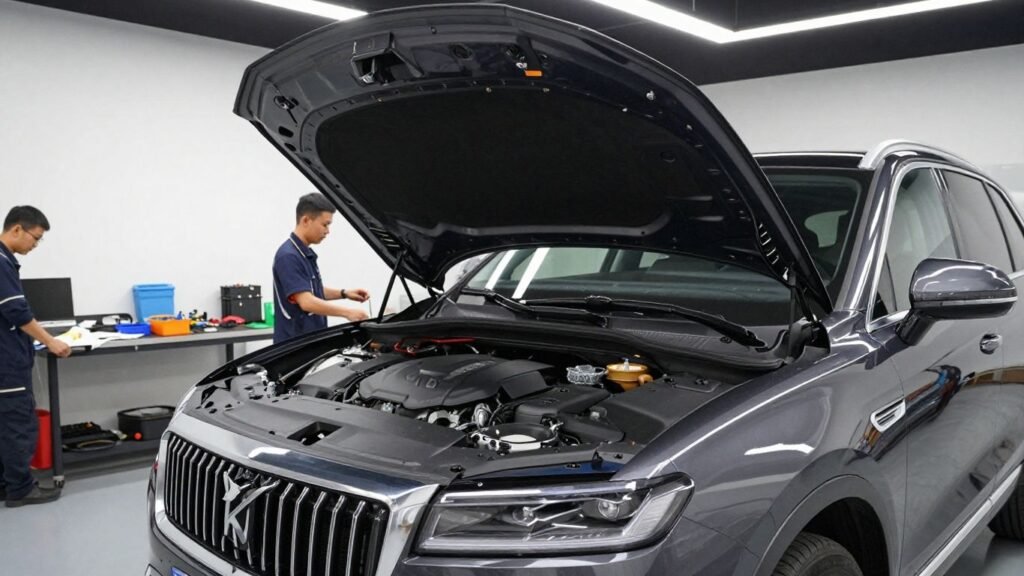
A Land Rover throttle body replacement is usually considered when the unit cannot regulate intake air consistently or its electronic controls no longer respond correctly. The warning signs may appear suddenly, or they may build gradually as deposits collect around the throttle plate. Because several other engine faults feel similar, symptoms alone are not enough to confirm the diagnosis.
Common symptoms of throttle body failure
A failing throttle body can cause rough or fluctuating idle, hesitation when the accelerator is pressed, reduced power, or stalling when coming to a stop. Some drivers notice that the engine responds slowly even though the pedal feels normal. A sticking plate can also make acceleration uneven, especially during light throttle input.
The pattern matters. An occasional stumble may point to an air leak or ignition issue, while repeatable hesitation paired with an electronic throttle warning deserves closer testing. The throttle body symptoms guide provides additional background on signs such as an erratic idle and an illuminated check-engine light.
Warning lights and diagnostic trouble codes
The check-engine light may appear when the engine computer detects an implausible throttle position, an actuator problem, or a disagreement between pedal and throttle readings. A restricted-performance message can also accompany reduced engine output. The code is useful evidence, but it identifies a circuit or operating condition rather than automatically proving that the throttle body itself must be replaced.
Technicians normally record the stored and pending codes, then compare them with live data and the vehicle’s behavior. Clearing the light without finding the cause can make the problem harder to trace later.
How drivability issues can mimic throttle body problems
A vacuum leak, damaged intake hose, contaminated airflow sensor, weak battery, or accelerator-pedal sensor fault can produce symptoms that resemble throttle body failure. A misfire may also feel like hesitation or loss of power. Even a loose connector can interrupt the signal enough to trigger a throttle-related code.
That is why a second replacement is not necessarily the right response when symptoms return. Recurring throttle and pedal-position codes after recent work have been discussed in this repair diagnosis discussion, a useful reminder to check the surrounding system rather than assuming the same part failed again.
When cleaning may help instead of replacement
Cleaning can be worthwhile when carbon or oily residue is preventing the plate from moving freely, provided the motor, sensors, and housing remain serviceable. The procedure must be performed carefully because electronic throttle units can be damaged by harsh solvents, force, or incorrect handling. A technician should inspect the plate and bore before deciding whether cleaning is appropriate.
If the actuator motor, position sensor, or internal electronics have failed, cleaning will not restore reliable operation. In that situation, replacement followed by the required adaptation procedure is more likely to be the lasting repair.
What the throttle body does in a Land Rover
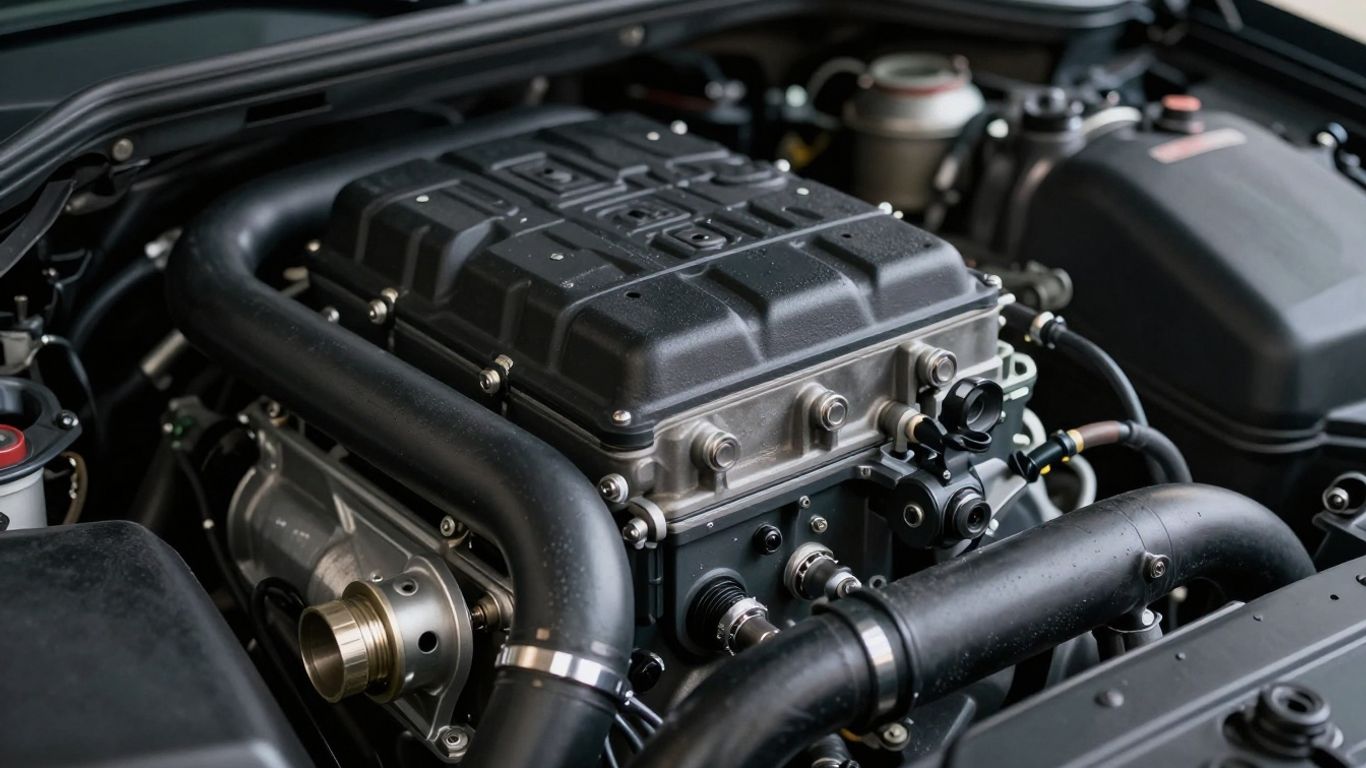
The throttle body controls how much air enters the engine, which helps determine engine speed and the amount of power available. Older designs may use a mechanical cable, while many modern vehicles use an electronic connection between the accelerator pedal and the throttle actuator. The exact arrangement varies with the vehicle’s year and engine.
A simple way to understand the part is to think of it as a controlled air door. When it opens, more air can enter; when it closes, airflow is reduced. Its readings and movement must agree with what the engine computer expects.
How electronic throttle control works
In an electronic system, pressing the accelerator sends a request through the pedal position sensors to the engine computer. The computer then commands a motor at the throttle body to move the plate. Position sensors report the result, allowing the computer to compare requested and actual movement.
This arrangement permits fine control during starting, idling, acceleration, and deceleration. It also means a fault can involve the pedal, wiring, software values, actuator, or throttle-position feedback rather than one mechanical plate alone.
The relationship between the throttle body and the engine computer
The engine computer uses throttle information alongside airflow, engine speed, temperature, and other inputs. It may limit power if the signals disagree or if the throttle cannot be placed where commanded. That protective response can feel alarming, but it is also a clue that the control system needs a systematic inspection.
A replacement unit may work mechanically and still require an adaptation or relearn process. Without that step, the computer may retain incorrect learned positions or continue to interpret normal movement as a fault.
Differences across Land Rover and Range Rover models
Throttle body layout, access, connector design, engine management strategy, and replacement procedures can differ across Land Rover and Range Rover models. Some engines provide more room around the intake assembly, while others require additional components to be moved before the unit can be removed.
The correct part should be matched by vehicle identification, engine, model year, and equipment. A general estimate for one model should not be treated as a fixed price for every vehicle.
Why carbon buildup affects throttle response
Carbon deposits can accumulate around the throttle plate and bore, narrowing the effective opening and making small movements less predictable. The result may be an unstable idle, delayed response, or a plate that feels sticky near its resting position. Deposits are more likely to matter when the intake system is already carrying oil mist or dirt.
Cleaning the visible area may improve movement, but it does not repair worn gears, a failing actuator, or inaccurate position sensors. The condition of the entire assembly determines whether service or replacement makes sense.
How technicians diagnose the problem
Good diagnosis separates a failed throttle body from a fault that merely produces throttle-like symptoms. The process usually combines a visual inspection, electrical testing, scan-tool data, and a road test when appropriate. A repair estimate is more useful when it explains what was tested and why the proposed part is considered faulty.
Inspecting the throttle body and wiring
The inspection starts with the intake tube, clamps, throttle housing, connector, and nearby wiring. Technicians look for split hoses, loose terminals, corrosion, damaged insulation, oil contamination, and evidence that the plate is binding. They may also check whether previous work left a gasket misaligned or a fastener loose.
This physical review is quick compared with replacing a part unnecessarily, and it often reveals an air or connection problem that a code alone cannot identify.
Checking airflow, voltage, and sensor readings
A scan tool can show commanded throttle position, actual position, pedal readings, and related engine data. Voltage checks help determine whether the unit is receiving a stable power and ground supply. Airflow observations and intake testing can then be compared with the electronic readings.
Live data adds valuable context because a stored code may have been caused by an intermittent signal rather than a permanently failed component. Readings should be evaluated together, not in isolation.
Scanning for related fault codes
Technicians scan for current, pending, and historical codes and consider how they relate to one another. A throttle actuator code paired with a pedal sensor code calls for a different inspection path than an isolated airflow fault. The timing of the codes can also show whether the problem began after a low-voltage event or intake repair.
The scan should be followed by clearing or documenting codes only after the underlying tests are complete. A code list without interpretation is not a diagnosis.
Confirming whether the issue is mechanical or electronic
A mechanical issue may involve a dirty or sticking plate, damaged housing, or a seal that allows unmetered air into the intake. An electronic issue may involve the actuator, sensor tracks, wiring, power supply, or control module communication. Separating these possibilities prevents a cosmetic cleaning from being presented as an electrical repair.
A careful technician confirms that the throttle moves as commanded and that the feedback signal remains consistent. Only then is replacement a well-supported recommendation.
Land Rover throttle body replacement cost factors
The price of a throttle body repair depends less on the name of the part than many owners expect. Access, engine configuration, labor rates, part sourcing, diagnostic time, and post-installation setup all affect the invoice. A published estimate for one Range Rover Sport configuration, such as this replacement cost estimate, should be treated as a reference rather than a universal price.
Typical parts and labor considerations
The part itself is often the largest single expense, but labor can vary substantially depending on how accessible the throttle body is. Diagnostic time may be billed separately, especially when the symptom is intermittent or several codes are present. Gaskets, seals, clips, and cleaning supplies can add smaller amounts to the total.
Before authorizing work, ask whether the quote includes diagnosis, installation, adaptation, a road test, and any replacement seals. That makes estimates easier to compare.
Differences between OEM and aftermarket components
An original-equipment component is designed to match the vehicle’s specified fit and control characteristics. An aftermarket unit may cost less, but quality, calibration, warranty coverage, and availability can vary by supplier. The least expensive option is not automatically the best value if it creates fitment or repeat-code problems.
The technician should verify the supplier, warranty terms, and return policy before installation. It is also sensible to confirm that the chosen component matches the exact engine and model year.
How model year and engine type affect pricing
Model year and engine type influence the throttle body’s design, accessibility, connector arrangement, and labor time. A compact engine bay may require more disassembly than a larger but more accessible layout. Regional labor rates and local parts availability can widen the difference further.
For that reason, a useful estimate is based on the vehicle identification number and a confirmed diagnosis. Broad online averages can help set expectations, but they cannot replace a vehicle-specific quote.
Additional costs for programming or related repairs
Some vehicles need throttle adaptation, relearning, or system checks after installation. There may also be related repairs if testing finds a damaged intake hose, vacuum leak, wiring fault, weak battery, or faulty pedal sensor. Those items should be listed separately so the owner can see what is essential and what is recommended.
A written estimate should distinguish the replacement itself from follow-up work. For perspective, even unrelated household planning decisions such as long-term care costs can become difficult when a headline number leaves out the surrounding expenses; vehicle estimates deserve the same careful reading.
What happens during the replacement
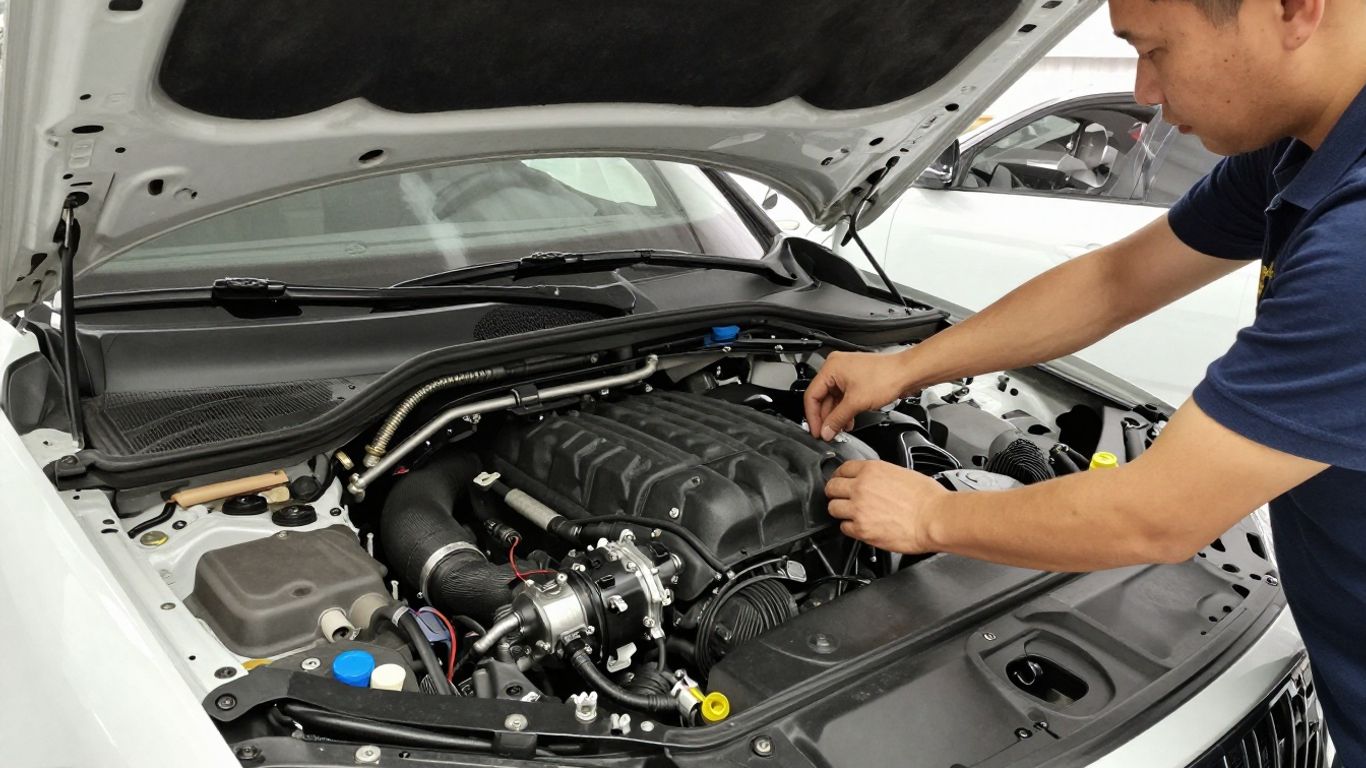
Replacement is more than unbolting one housing and fitting another. The intake path must remain clean, the sealing surface must be sound, and the electrical connection must be secure. Once the hardware is installed, the vehicle usually needs checks that confirm the computer recognizes the new unit.
Removing the old throttle body
The technician generally disconnects the battery or follows the vehicle’s prescribed electrical precautions, then removes the intake ducting and connector. Fasteners are taken out carefully so the housing and intake manifold are not damaged. The old gasket or seal is removed, and the mounting surface is cleaned without allowing debris into the engine.
The removed unit may be inspected for a sticking plate, damaged connector, contamination, or signs that another fault caused the failure. That inspection can help explain why the problem occurred.
Installing and sealing the replacement unit
The replacement is positioned with the correct gasket or seal and tightened evenly to the specified requirement. A poor seal can create an intake leak that produces unstable idle or incorrect airflow readings, making a successful part look defective.
The technician should compare the new unit with the old one before installation, checking the housing, connector, bolt pattern, and part number. Small differences matter in a tightly controlled intake system.
Reconnecting wiring and intake components
The electrical connector must lock fully, and the harness should be routed away from heat, moving parts, and sharp edges. Intake tubes and clamps are refitted so there are no gaps or collapsed sections. Any disconnected sensors or breather lines are returned to their original positions.
A final visual check helps catch a loose clamp or forgotten connector before the engine is started. This is a simple step, but it prevents many avoidable follow-up problems.
Performing throttle adaptation and system checks
After installation, the vehicle may require a throttle adaptation or relearn procedure. The technician then checks idle quality, accelerator response, warning lights, scan data, and intake leaks. A road test can confirm that the engine responds consistently under different loads.
The vehicle should not be returned solely because it starts. The post-repair checks are what confirm that the throttle command, actual movement, and engine response now agree.
How to prevent repeat throttle body problems
A throttle body does not always fail because it was neglected, but surrounding conditions can shorten its useful life or create similar symptoms. Keeping the intake sealed and the electrical system healthy makes diagnosis easier and reduces avoidable strain. Maintenance should follow the vehicle’s requirements rather than relying on a one-size-fits-all cleaning schedule.
Keeping the intake system clean
An intact air filter and properly sealed intake path help keep dust and debris away from the throttle plate. Cleaning should be performed only with suitable products and methods for the specific electronic unit. Excessive scrubbing or forcing the plate open can cause damage.
If residue returns quickly, the technician should look for the source instead of repeatedly cleaning the same area. Oil mist, a deteriorated hose, or poor filtration may be contributing to the buildup.
Addressing vacuum leaks and air intake issues
Cracked hoses, loose clamps, failed seals, and disconnected breather lines can upset the air-fuel calculation and mimic a throttle fault. They may also cause a replacement unit to appear unsuccessful. Inspecting these parts during routine service is usually far less costly than chasing repeated warning lights.
A smoke test or other leak-checking method can locate small openings that are difficult to see. Repairs should be verified afterward with stable idle and scan data.
Maintaining the battery and charging system
Electronic throttle systems depend on reliable voltage. A weak battery, poor ground, or charging fault can create confusing sensor behavior and intermittent control errors, particularly during starting. Battery condition and charging output are therefore worth checking when throttle codes appear unexpectedly.
Basic electrical maintenance can be organized around a few practical checks:
- Test battery condition when starting becomes sluggish.
- Inspect battery terminals and engine grounds for looseness or corrosion.
- Confirm charging voltage under normal operating conditions.
- Investigate repeated low-voltage or communication codes.
These checks do not prove that the throttle body is healthy, but they remove common sources of misleading symptoms. They also help protect other electronic systems in the vehicle.
Following recommended service intervals
Regular service gives technicians a chance to inspect the air filter, intake connections, battery, and stored fault history before a small issue becomes a drivability complaint. Follow the maintenance schedule for the specific model and engine, especially where inspection intervals differ.
Owners who keep records of symptoms, warning messages, repairs, and battery work can provide useful information when a fault is intermittent. That history often shortens the diagnostic process.
For vehicle comfort during long drives, some owners also research sheepskin car seat covers; it is a separate concern from throttle service, but both decisions benefit from checking fit, materials, and maintenance requirements rather than choosing by price alone.
Conclusion
A Land Rover throttle body replacement can restore consistent throttle control when testing confirms a failed actuator, sensor, or housing, but similar symptoms can come from wiring, air leaks, voltage problems, or other engine controls. Start with diagnosis, compare a vehicle-specific estimate, and make sure adaptation and final system checks are included in the repair.
Frequently Asked Questions
What are the most common signs of a bad throttle body?
Common signs include rough or fluctuating idle, hesitation, reduced power, stalling, delayed acceleration, and an illuminated check-engine light. These symptoms can also come from other intake, ignition, sensor, or electrical faults.
Can a dirty throttle body cause rough idle?
Yes. Deposits around the throttle plate can interfere with small adjustments and affect idle stability. Cleaning may help when the electronics and mechanical parts are still working correctly.
How long does throttle body replacement take?
The time varies by vehicle access, engine layout, and the amount of intake hardware that must be removed. Diagnosis and post-installation adaptation may add time beyond the physical replacement.
Is throttle body replacement expensive?
Cost varies with the part, labor rate, engine type, model year, diagnostic work, and any related repairs. A vehicle-specific written estimate is more useful than a single average price.
Can I drive with a failing throttle body?
A vehicle with reduced power, stalling, or unpredictable acceleration may not be safe to drive normally. If the engine is running poorly or a restricted-performance warning appears, have it assessed promptly.
Does a new throttle body need to be programmed?
Some vehicles require an adaptation or relearn procedure after installation. The exact requirement depends on the vehicle’s control system, so the repair should include the appropriate system checks.
Why did the warning light return after replacement?
The original fault may not have been the throttle body, or a related problem such as a wiring issue, vacuum leak, pedal sensor fault, or low-voltage condition may remain. Further testing is needed before replacing another part.