

Key Takeaways
Facing an overheating engine requires immediate action to prevent permanent damage to internal components. This guide provides essential steps for roadside safety, common failure points, and systematic diagnostics to ensure your vehicle stays operational.
- Safely pull over and turn off the engine immediately upon seeing warnings.
- Inspect the cooling system for leaks, blockages, or mechanical failures.
- Utilize systematic diagnostic techniques like pressure testing or sensor checks.
- Adhere to a strict preventive maintenance schedule for fluids and components.
- Consult professional repair facilities for complex specialized cooling issues.
Immediate actions when your Land Rover overheats
When engine temperatures rise into the red, the primary objective is to preserve the block’s integrity. Stopping the vehicle and removing the load from the engine prevents the thermal expansion that leads to warped cylinder heads and blown gaskets. Taking quick, measured actions during an overheating event significantly reduces the chance of long-term mechanical failure. You must prioritize your safety and the health of your engine by reacting calmly and correctly to the Land Rover engine overheating alert.
Safely pulling over and turning off the engine
Activate your hazard lights as soon as you notice the temperature gauge climbing or a warning light flickering. Gradually slow down and pull onto the shoulder of the road, ensuring you are well clear of active traffic lanes. Once stationary, turn the ignition off immediately to halt the circulation of hot coolant and prevent further heat soak.
Monitoring temperature gauges and warning lights
Keep an eye on the instrument cluster for fluctuating needles or digital warnings before the situation becomes critical. Modern electronics often provide multiple alerts before a full shutdown occurs, such as a localized amber engine warning. Understanding these subtle cues allows you to stop the vehicle before boiling occurs, which can ultimately lead to finding an effective partner for necessary professional repairs.
Allowing the engine to cool before inspection
Wait at least thirty to sixty minutes for the engine block and cooling system surfaces to reach ambient temperatures. Rushing the cool-down process often leads to severe burns if coolant escapes the pressurized system unexpectedly. Use this downtime to plan your next steps and evaluate the road conditions before attempting any basic checks under the hood.
Avoiding the danger of opening a hot radiator cap
Never attempt to remove the radiator or expansion tank cap while the system remains pressurized and hot. The internal pressure can cause boiling water and steam to spray violently, potentially causing serious injury to your face and hands. Always wait until the hoses feel soft and room temperature to the touch before attempting any service activities.
Common mechanical causes of Land Rover overheating
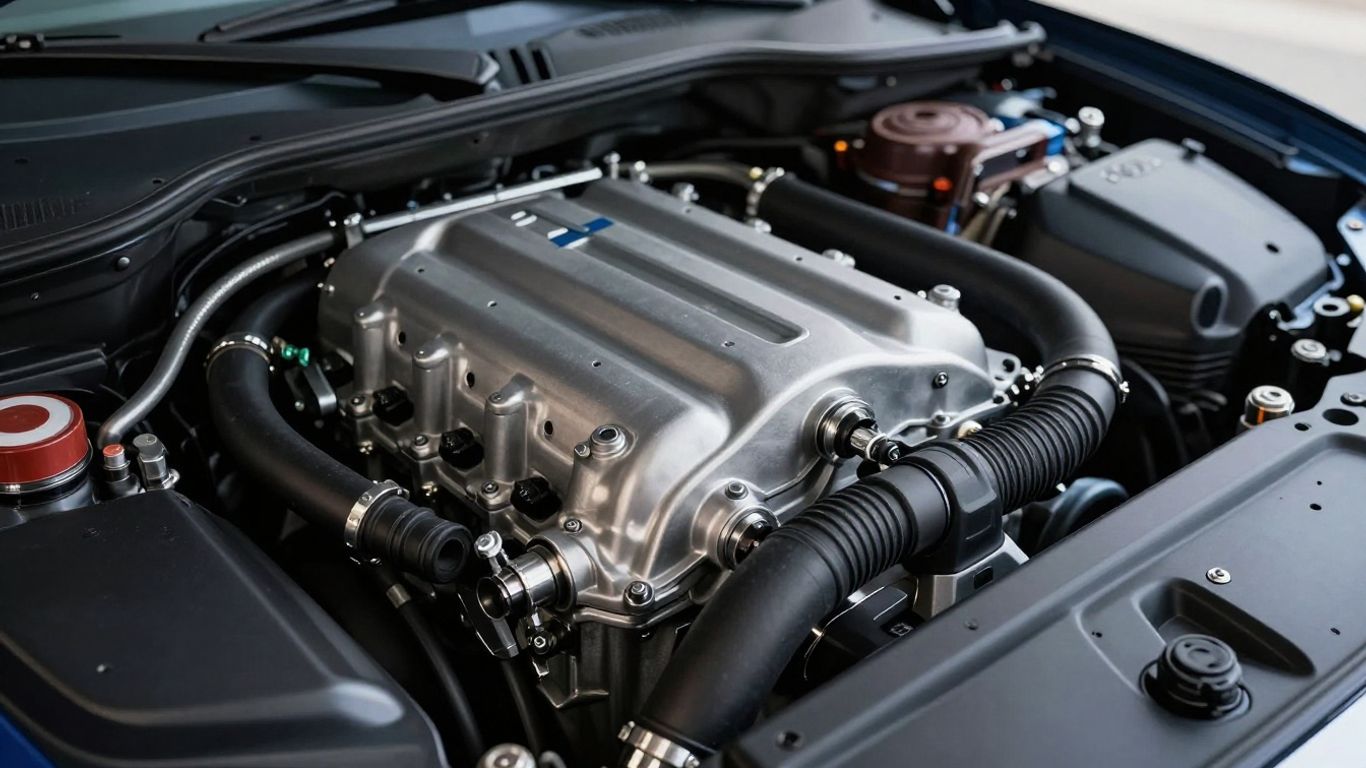
Understanding the specific stressors on your cooling infrastructure is vital, especially given the high-performance demands placed on these engines. Overheating is typically a result of a broken link in the circulation loop or external obstructions that prevent necessary thermal exchange. By identifying common points of failure, you can address potential issues long before they lead to road-side breakdowns.
Faulty thermostat malfunctions
Thermostats often fail in the closed position, which blocks the flow of coolant between the engine and the radiator. When this happens, coolant stays within the engine block, heat builds rapidly, and the system loses its ability to regulate temperature. A sudden spike in the temperature gauge, despite normal outside air temperatures, is a classic sign of this blockage.
Cooling system leaks and hose failures
Coolant requires a perfect seal to maintain the pressure levels necessary for preventing premature boiling. Over time, rubber hoses and plastic fittings degrade, leading to microscopic leaks or catastrophic bursts. Maintaining an effective preparation strategy for your vehicle’s systems helps you catch these leaks by recognizing wet patches or drips on the garage floor before they drain the system entirely.
Water pump wear and impeller damage
When circulation fails, the water pump is usually the primary suspect due to its critical role in moving fluid. A worn impeller or a failing bearing can cause the pump to lose its effectiveness even if the drive belt is spinning perfectly. Drivers should look for specific symptoms of mechanical degradation in the pump system:
- Audible high-pitched squealing near the front of the vehicle.
- Visible coolant dripping directly from the pump housing.
- Fluctuating cabin heating performance while driving in traffic.
- Increased noise when the engine is under load during acceleration.
Once any of these symptoms appear, it is wise to replace the unit to avoid total pump seizure while driving.
Radiator blockage from exterior debris
External debris like leaves, road grit, and insects can clog the thin fins of the radiator, preventing sufficient airflow through the core. This is particularly problematic in warmer climates where the cooling system depends on steady thermal exchange with outside air. Regular, careful cleaning of the radiator face ensures that nothing restricts the essential cooling breeze while the vehicle is in motion.
Diagnosing Land Rover cooling system issues
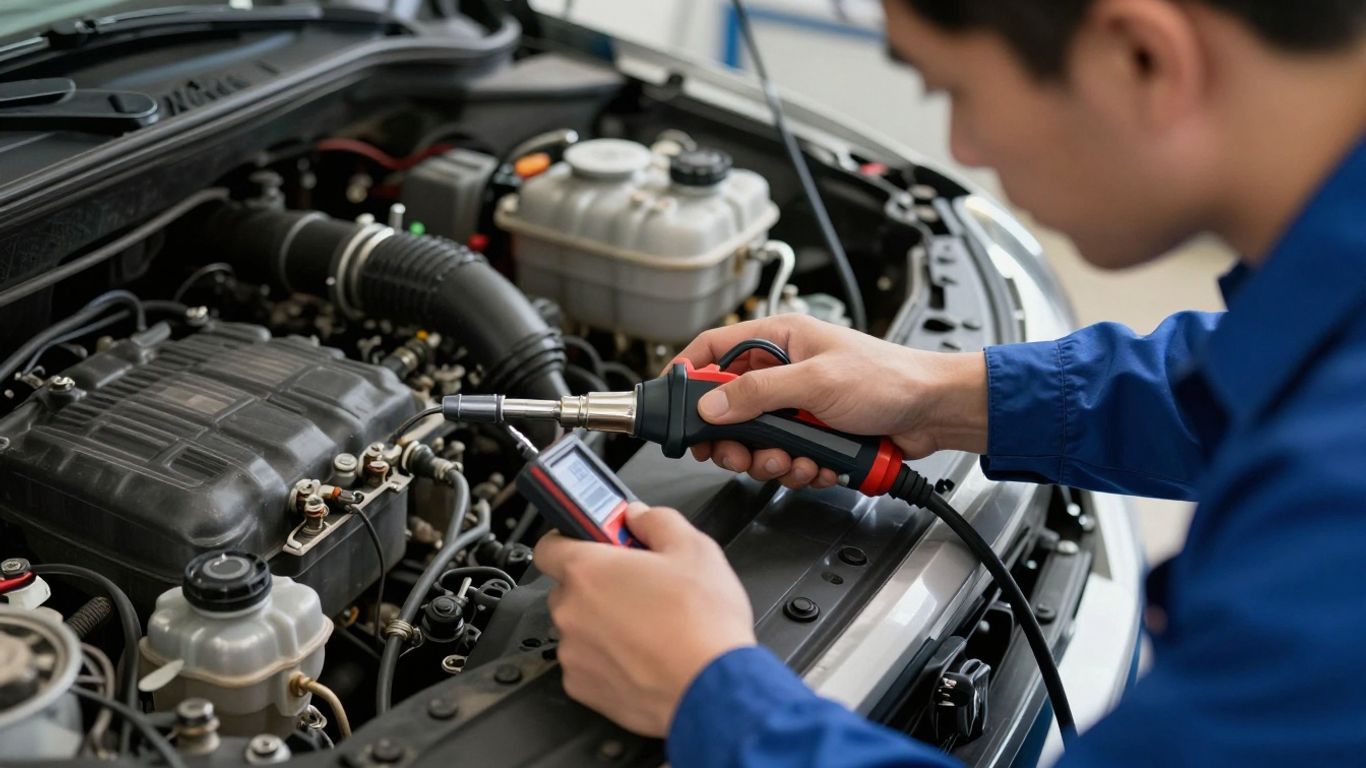
Proper diagnostic workflows separate minor maintenance items from major repairs. Using the right tools to test components allows for efficient confirmation of which part in the chain has faltered. Technicians rely on logical testing patterns to ensure that replaced components fix the underlying issue rather than masking it behind temporary relief. One such way to ensure accuracy is checking your electronics when an FNIRSI 2D15P oscilloscope is used during sensor calibration.
Pressure testing the cooling system
Applying external pressure to the cooling loop is the most effective way to identify hidden leaks that only appear when the system is hot. By using a standard coolant pressure tester, you can pressurize the system while the engine is cool and observe any drops on the gauge. This method pushes fluid out of cracks or loose joints, making it easy to pinpoint exactly where the seal has failed.
Identifying visual signs of coolant leaks
Performing a visual inspection requires looking for the distinctive crystalline residue left by evaporated coolant. Check around connection points, hoses, and the radiator itself. Sometimes, small leaks manifest as a sweet-smelling vapor or a subtle fog on the inside of the windshield, indicating an issue with the interior heater core.
Checking for combustion gases in the coolant
If the engine is overheating frequently despite having no external leaks, the issue may be internal. Combustion gas bypasses can lead to localized boiling within the cylinders. You can categorize your findings with a simple evaluation table to determine if the cooling failure indicates a significant internal problem.
| Observation | Likely Diagnosis | Severity |
|---|---|---|
| Discolored fluid | Internal corrosion | Moderate |
| Milky substance | Oil-coolant mix | High |
| Bubbling reservoir | Head gasket leak | Critical |
If tests show combustion gases are present in your reservoir, it confirms a compromised head gasket that needs professional attention immediately. This sort of meticulous detailed planning regarding your vehicle’s long-term health is the best way to avoid engine failure.
Assessing fan clutch and electric cooling fan functionality
Cooling fans are essential for extracting heat while the vehicle is stationary or moving at slow speeds. If you notice the temperature rising while waiting in traffic but dropping when you hit the highway, the fault likely lies with the fan system. Test the electric fan by turning on the air conditioning; the cooling fan should engage immediately to provide extra airflow through the condenser and radiator.
Specialized concerns for different Land Rover models
Air pocket issues in Range Rover coolant systems
Refilling a coolant system in a Range Rover often leaves trapped air that prevents fluid from reaching critical hot spots. These pockets create localized steam, which triggers false overheating alarms or actual heat spikes. Specialized vacuum-filling tools allow the system to be bled effectively, ensuring that the entire coolant loop is purged of air.
Defender cooling system limitations under heavy load
When towing or driving through steep terrain, the Defender’s cooling system runs at its absolute capacity. Ensuring your vehicle operates within its design limits is essential for performance, especially when managing high temperatures. If you drive a Land Rover in Miami, Green’s Garage can help you manage these specific regional stresses and keep your system running optimally.
Discovery radiator debris and airflow restrictions
Discovery models are particularly susceptible to having their radiator fins packed with off-road mud and debris. Because of the radiator’s design, it often collects material that prevents proper cross-flow of air. Periodic inspection of the front grille and radiator fins is part of the required routine for any owner who frequently travels off the beaten path.
Preventive maintenance to avoid engine failure
Regular coolant flushes and system conditioning
Old coolant turns acidic over time, leading to the internal corrosion of radiator fins and heating cores. Scheduled flushes remove sediment and old corrosion inhibitors, replacing them with fresh formula that protects the system from the inside. Following the factory-recommended interval ensures your cooling system remains efficient throughout the lifespan of the vehicle.
Inspecting drive belts for cooling system drive
Belts transfer power to the water pump, and a slipping or cracked belt can cause the pump to rotate at insufficient speeds. Check for fraying, cracks, or tension issues whenever you open the hood for engine maintenance. If you happen to be maintaining your connections while soldering new sensor wires, take the extra moment to check that your drive belts are properly tensioned and supple.
Monitoring sensor health and electronic alerts
Modern sensors feed the engine management computer with vital temperature data. If a temperature sensor gives a faulty reading, the computer might incorrectly manage the engine’s performance or fan engagement. Regularly checking sensor output during routine service appointments ensures that your electronic alerts remain accurate when you need them most.
Maintaining fluid levels for heavy-duty driving
Heavy-duty driving or towing requires extra care, as increased engine load translates directly to more heat generation. Always keep your cooling system topped off to the recommended "MAX" mark on the reservoir before embarking on long trips. Staying diligent with your fluid levels provides the best defense against unexpected overheating during high-stress driving conditions.
Conclusion
Maintaining the cooling system of your vehicle is the most effective way to ensure performance longevity and reliability. By paying attention to minor visual cues, keeping up with regular flush schedules, and addressing mechanical failures early, you protect your engine from the devastating effects of thermal stress. Consistent, proactive care remains the benchmark for any driver looking to avoid the common, costly problems associated with cooling system neglect.
Frequently Asked Questions
Can I continue driving if the temperature gauge is in the red range?
No, you should never continue driving if the engine is overheating. Doing so risks significant damage to the engine block, cylinder heads, and gaskets, which can be extremely expensive to repair.
Why does my engine overheat only when idling in traffic?
Overheating specifically while idling usually indicates a problem with the cooling fan or low coolant flow that is insufficient without the extra airflow provided by highway speeds.
Should I add water to the radiator if it is low?
If you are in an emergency, adding clean water is acceptable to reach a service shop, but you must drain and refill the system with the correct coolant mixture as soon as possible to prevent corrosion.
How often should I perform a coolant flush?
Most manufacturers recommend a full coolant flush every three to five years or as specified in your owner’s manual to ensure the chemical inhibitors stay effective.
Does low engine oil cause the engine to overheat?
Low oil levels can contribute to increased engine heat due to internal friction, although the cooling system is the primary mechanism for regulating thermal output.
What does a sweet smell coming from the hood indicate?
A sweet or sugary odor coming from the engine bay is a common sign of a coolant leak, often caused by leaking hoses or a failing heater core.
Are all radiator caps universal?
No, radiator caps are designed for specific pressure ratings, and using an incorrect cap can lead to either system failure or premature leakage of the coolant.