

Key Takeaways
Hard shifting can come from something as straightforward as incorrect fluid or as serious as internal transmission wear. The safest approach is to identify the pattern, scan the vehicle, and avoid guessing at expensive repairs.
- Note whether the harshness occurs in Drive, Reverse, or during an upshift.
- Check for fluid leaks, burning smells, warning lights, and unusual noises.
- Use transmission-specific scan equipment rather than relying only on a basic code reader.
- Consider software, adaptation values, battery voltage, and driving conditions alongside mechanical faults.
- Limit driving when the vehicle slips, bangs into gear, or shows a transmission warning.
What hard shifting feels like in a Land Rover
A smooth automatic transmission should select a gear without a pronounced shock or long pause. When a Land Rover automatic transmission shifting hard becomes noticeable, the exact timing of the symptom can help narrow the cause. Keep track of whether the problem is cold-start related, speed related, or present during every shift.
Harsh engagement when selecting drive or reverse
A firm bump or clunk when selecting Drive or Reverse may point to delayed hydraulic pressure, a worn mount, incorrect fluid level, or an engine idle problem. A brief pause followed by a strong engagement is more concerning than a mild, consistent engagement characteristic. Record whether the vehicle moves immediately and whether the symptom changes once it warms up.
Delayed, jerky, or slipping gear changes
A delayed shift can feel like the engine is briefly disconnected, followed by a sudden catch. Jerky changes may occur between particular gears, while slipping is often felt as rising engine speed without a matching increase in road speed. A useful Land Rover transmission slipping guide can help organize the symptoms, but it cannot replace a vehicle-specific diagnosis.
Clunks, shudders, and unusual transmission noises
A clunk may come from the transmission, a driveline joint, or a mount rather than from the gearset itself. Shuddering during light acceleration can also involve the torque converter, while whining or grinding deserves prompt attention. Note the vehicle speed, throttle position, and gear whenever the sound appears; those details are more useful than describing it simply as “rough.”
Warning lights and related drivability symptoms
A transmission or check-engine warning light means the control system has detected a condition worth investigating. Reduced power, a fixed gear, harsh downshifts, or difficulty climbing a hill can accompany the warning. Do not erase the codes before they are recorded, because freeze-frame information may show what the vehicle was doing when the fault occurred.
Common causes of hard automatic transmission shifting
Hard shifting is a symptom, not a diagnosis. Fluid condition, hydraulic control, electrical signals, mounts, and internal components can all create similar sensations. The repair path should follow test results rather than the age or mileage of the vehicle alone.
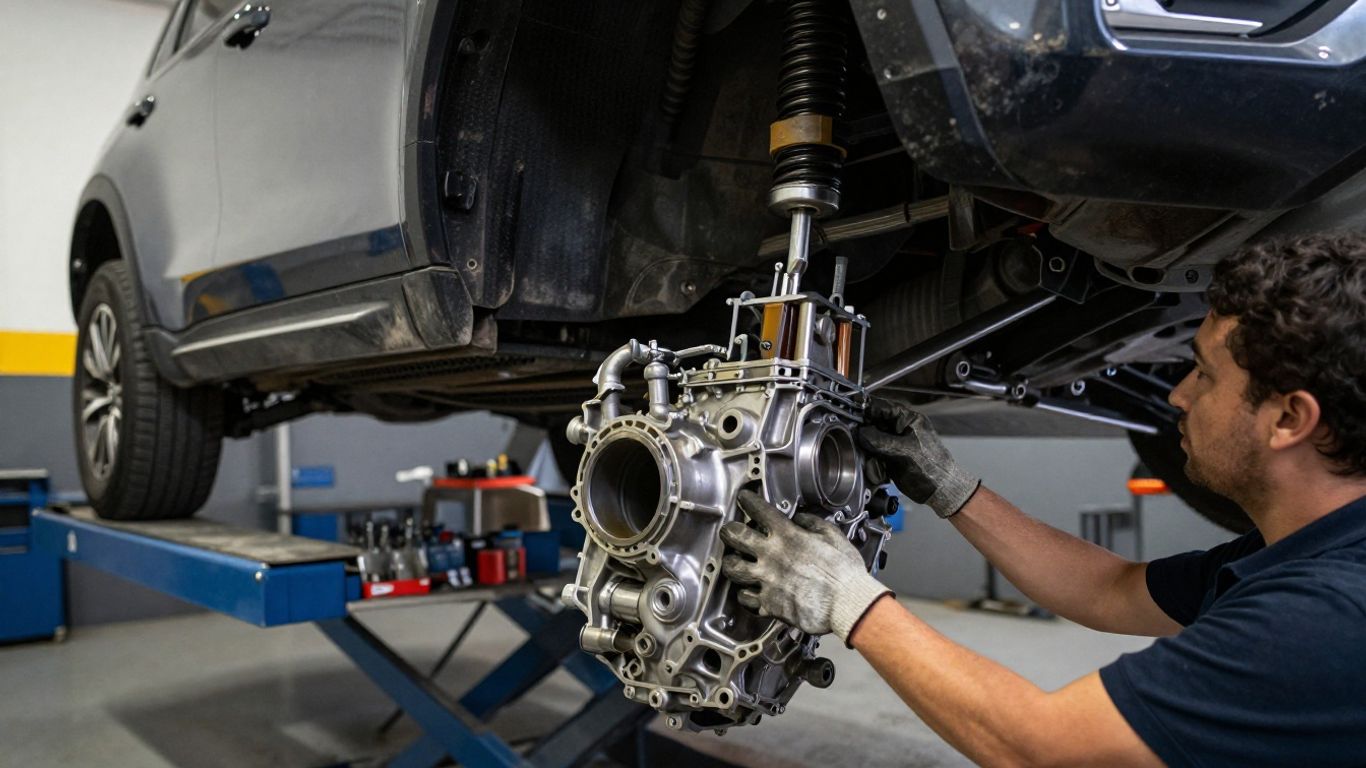
Low, contaminated, or incorrect transmission fluid
Automatic transmissions depend on the correct fluid level and specification for hydraulic control and lubrication. A leak can lower the level, while overheated or contaminated fluid can affect clutch application and valve operation. Fluid checking procedures vary, so the vehicle should be level and at the specified temperature when the level is assessed.
Worn solenoids, valve bodies, or transmission mounts
Solenoids regulate hydraulic circuits, and a sticking solenoid or worn valve body can make a shift late or abrupt. A damaged transmission mount can add a heavy thump even when the internal shift is acceptable. Because these faults feel alike from the driver’s seat, inspection should separate a movement problem from a pressure-control problem.
Faulty sensors and electronic control problems
The transmission controller uses inputs such as vehicle speed, engine load, throttle position, and fluid temperature to choose shift timing. A faulty sensor, damaged wiring, poor ground, or communication fault can therefore produce inconsistent behavior. Low system voltage can complicate the picture, especially when several unrelated warning messages appear together.
Internal clutch, gear, or torque converter wear
Worn clutch packs may cause slipping, flare-ups, or a harsh correction as the controller tries to achieve the requested gear. Torque converter wear can create shuddering, while damaged gears may produce persistent noise. These possibilities become more likely when fluid contains abnormal debris, pressure tests fail, or symptoms remain after electrical and service issues are addressed.
A practical first pass is to group the evidence before authorizing work:
- Engagement symptoms: delay, bang, or hesitation in Drive or Reverse.
- Shift symptoms: a specific gear, a temperature range, or every gear change.
- Condition clues: leaks, smell, discoloration, or visible debris.
- Related clues: warning lights, battery problems, driveline movement, or engine misfire.
This simple record helps prevent a fluid service from being treated as a cure for internal wear, or a transmission replacement from being proposed for a failed sensor.
How to diagnose the shifting problem
Diagnosis should reproduce the complaint and then test the systems that could create it. A good inspection combines visual checks, scan data, fluid evidence, and a controlled road test. It is also worth reading a broader transmission warning signs guide before the appointment so the symptoms are described accurately.
Checking transmission fluid condition and leaks
The technician should inspect the pan, cooler lines, seals, plugs, and nearby driveline components for leakage. Fluid color and smell can provide clues, although appearance alone cannot prove the condition of the clutches or valve body. The correct specification, level procedure, and service history matter more than a generic color comparison.
Scanning for transmission and drivetrain fault codes
A manufacturer-capable scan tool can access transmission, engine, body, and drivetrain modules that a basic reader may miss. Codes should be documented with live data and freeze-frame details before they are cleared. Adaptation values, input and output speeds, temperature readings, and commanded gear information can help show whether the controller is responding to a mechanical problem or receiving an incorrect signal.
Road-testing shift timing under different conditions
A road test should include gentle acceleration, moderate throttle, steady cruising, deceleration, and repeated Drive-to-Reverse selection when safe. The technician can compare cold and warm behavior and note the exact shift where the fault occurs. A discussion of shifting delays and fluid procedures may provide useful background, but fluid or adaptation steps should follow the correct transmission procedure rather than internet guesswork.
Distinguishing transmission faults from engine or transfer-case issues
An engine misfire, unstable idle, worn driveline joint, or transfer-case problem can feel like a transmission fault. If the engine stumbles at the same moment as the shift, engine data deserves attention. If the clunk changes with driveline load but not gear selection, mounts or other driveline components may be involved.
The diagnostic order matters because several systems share the same symptoms. A careful diagnosis saves money by testing the most likely causes before parts are replaced.
Land Rover-specific factors to investigate
Different model years and gearbox configurations do not share identical service procedures or control strategies. That makes a generic transmission checklist incomplete. The technician should identify the vehicle by model year, engine, gearbox, software level, and service history before interpreting scan data.
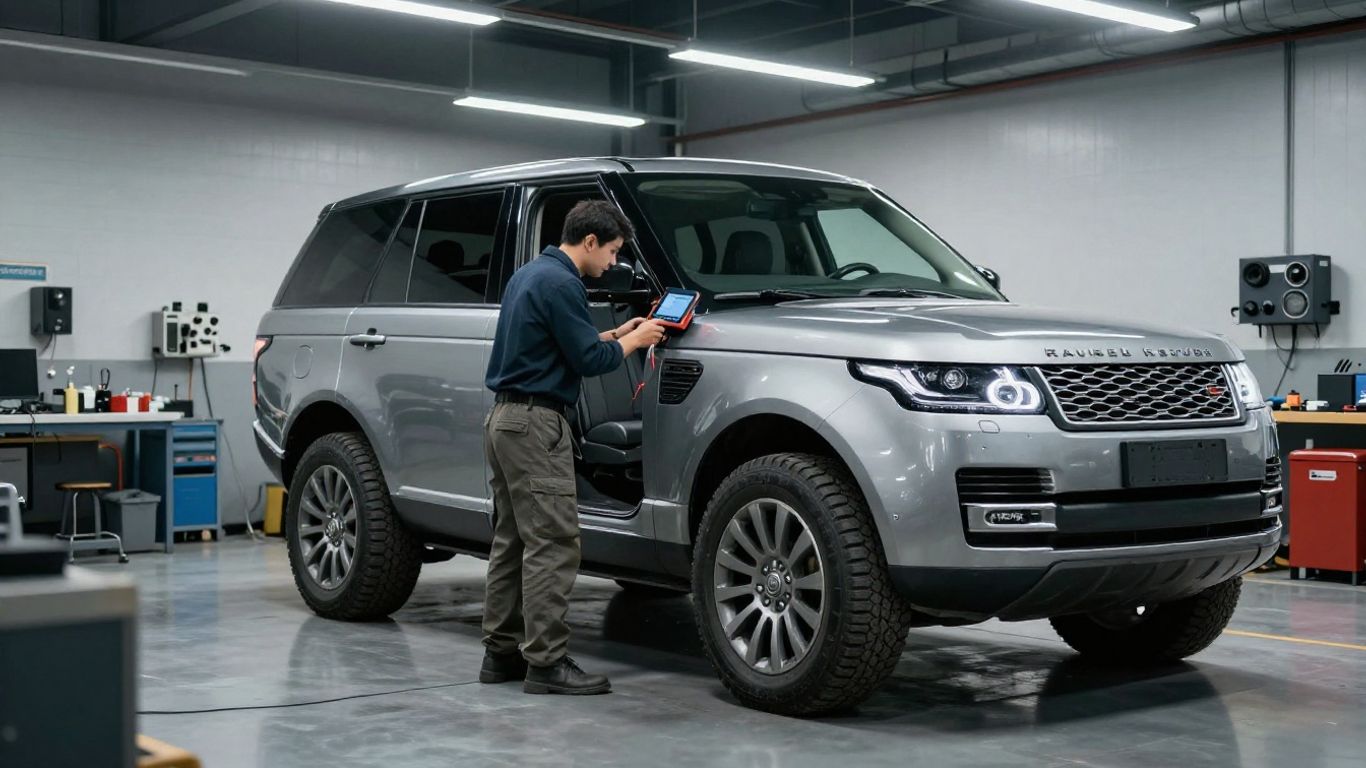
Transmission adaptation values and software updates
Automatic transmissions may adjust clutch pressure and shift timing as operating conditions change. Adaptation data can therefore be useful, but it should be interpreted alongside fluid condition, fault codes, and road-test results. A software update or relearn procedure may be appropriate in some cases, while resetting values without correcting a mechanical fault can temporarily disguise the problem.
Model and gearbox differences across Range Rover and Discovery variants
Range Rover and Discovery variants can use different transmissions, calibration files, fluid procedures, and component layouts. The same symptom label—such as “hard shift”—does not identify the failed part. Confirming the gearbox and checking service information for that exact vehicle is essential before ordering fluid, a filter, or a valve-body component.
Effects of towing, off-road driving, and heavy loads
Towing, steep terrain, repeated low-speed maneuvering, and heavy loads increase heat and drivetrain demand. They may expose a marginal clutch, cooling issue, mount, or fluid problem sooner than ordinary commuting does. Ask whether the symptom began after a trip, trailer use, water crossing, or prolonged low-speed work, since the timing can be diagnostically valuable.
How battery voltage and electrical faults affect shifting
A weak battery, charging fault, corroded connection, or poor ground can create unstable module communication and misleading transmission symptoms. Voltage should be checked under starting and charging conditions, not only with the engine switched off. Electrical faults should be repaired and codes rescanned before condemning an otherwise serviceable transmission.
Repair options for a hard-shifting transmission
The correct repair depends on what the inspection finds. Some vehicles improve after a properly performed service, while others need electrical repair, hydraulic work, mount replacement, or internal rebuilding. A written explanation should connect each proposed repair to a test result.
When a fluid service and filter replacement may help
A fluid and filter service may be reasonable when the fluid is overdue, the level is incorrect, or contamination is limited and there is no evidence of major internal failure. The shop should use the specified fluid and follow the correct temperature and filling procedure. A service is not a reliable fix for severe slipping, widespread debris, or a transmission that has already lost hydraulic pressure.
Solenoid, valve body, and software repair decisions
A failed solenoid or valve-body problem may be repairable without removing the complete transmission. Diagnosis can involve electrical testing, pressure testing, scan data, and inspection for wear in hydraulic passages. Software updates or adaptation procedures should be performed only when appropriate for the identified gearbox and after the underlying condition has been addressed.
Transmission mount and linkage replacement
A mount or linkage repair can eliminate a harsh thump caused by excessive movement rather than a faulty gear change. The technician should inspect mount rubber, fasteners, brackets, shifter operation, and driveline alignment. Replacing a mount will not correct slipping or delayed hydraulic engagement, so the symptom must be reproduced during inspection.
When rebuilding or replacing the transmission is necessary
Rebuilding or replacement becomes more plausible when there is persistent slipping, failed pressure testing, extensive debris, damaged hard parts, or repeated failure after smaller repairs. Ask what caused the original failure and whether the cooler circuit, software, mounts, and related components will also be checked. Comparing a documented rebuild with a replacement unit is more useful than comparing prices alone.
Costs, risks, and next steps
Repair pricing varies widely because “hard shifting” can describe a leak, electrical issue, mount, valve body, or complete internal failure. The first expense should usually establish the fault rather than commit you to a repair. For a convenient benchmark, a hard-shift inspection estimate discusses mobile inspection pricing, though local labor rates and vehicle details will differ.
Typical inspection and diagnostic expenses
An initial inspection may include a visual check, scan, fluid assessment, and road test. More involved cases can require pressure testing, wiring diagnosis, or removal of the pan, which increases labor. Request an itemized diagnostic fee and ask whether it is credited toward approved repair work.
Factors that change repair pricing
Pricing depends on the gearbox, parts availability, labor access, fluid quantity, software requirements, and whether the unit is repaired in place. Towing, additional cooling repairs, contaminated lines, and calibration work can add cost. A quote should state whether it covers diagnosis, seals, fluid, programming, and post-repair testing.
When it is safe to continue driving
Short, gentle driving may be reasonable when the shift is only mildly firm, there is no warning light or leak, and the vehicle does not slip. Stop driving and arrange professional help if it bangs violently into gear, loses drive, smells burnt, leaks heavily, or enters a limited-function mode. Continuing to drive through slipping can turn a manageable repair into extensive internal damage.
How to choose a qualified Land Rover transmission specialist
Look for a shop that can identify the exact gearbox, access transmission control data, explain its testing, and provide a written estimate. Ask whether the technician has experience with the relevant vehicle generation and whether the repair includes verification after the work. Clear communication matters; even a useful Detroit automotive IT provider guide or a separate SaaS conversion agencies guide is not a substitute for transmission-specific equipment and experience.
When preparing for the visit, keep the service history and note the conditions that trigger the fault. You can also reduce appointment-day distraction by reviewing advice on reducing cognitive overload, while Press Ranger is unrelated to vehicle diagnosis and should not be treated as a repair resource; sheepskin car seat covers are likewise a comfort topic rather than a mechanical one.
Conclusion
Hard automatic transmission shifting deserves prompt, methodical attention, but it does not automatically mean the transmission must be replaced. Document the symptom, check for leaks and warnings, obtain a proper scan and road test, and choose repairs that match confirmed evidence.
Frequently Asked Questions
What causes an automatic transmission to shift hard?
Common causes include low or incorrect fluid, contaminated fluid, worn solenoids or valve-body passages, faulty sensors, poor electrical voltage, damaged mounts, and internal clutch or torque converter wear.
Can low transmission fluid cause hard shifting?
Yes. A low level can reduce hydraulic pressure and lubrication, causing delayed engagement, slipping, or harsh shifts. The leak must also be found, and the level must be checked using the correct procedure.
Is hard shifting always a sign of a failing transmission?
No. A sensor, software issue, weak battery, engine fault, or damaged mount can produce similar sensations. Testing is needed before deciding that internal transmission work is required.
Should transmission fluid be changed when shifting becomes harsh?
A service may help when the fluid is overdue or the level is incorrect, but it is not appropriate to assume it will fix severe slipping, debris, or internal damage. Use the specified fluid and service method.
Is it safe to drive with a hard-shifting transmission?
Limited gentle driving may be acceptable for a mild symptom with no warning lights, major leak, or slipping. Stop driving if the vehicle loses drive, shifts violently, smells burnt, or enters a limited-function mode.
Can a weak battery affect transmission shifting?
Yes. Low voltage, charging faults, poor grounds, and corroded connections can disrupt electronic control or create misleading fault codes. Voltage and system communication should be checked during diagnosis.
How long does transmission repair take?
A fluid service, mount replacement, or sensor repair may be completed relatively quickly, while valve-body work, rebuilding, or replacement takes longer. The exact time depends on the gearbox, parts, testing, and programming required.