

Key Takeaways
Brake fluid service helps preserve consistent hydraulic braking, but the right interval and fluid depend on the vehicle. Use the owner’s manual and service history as your starting point, then ask for a clear inspection and estimate.
- Brake fluid can absorb moisture over time, which may reduce its resistance to heat.
- Follow the maintenance schedule for the vehicle’s exact model and year.
- Use only fluid that meets the specification in the owner’s manual.
- A flush replaces old fluid through the system; a top-off does not.
- Compare estimates by the work included, not just the total price.
Why brake fluid needs periodic service
Brake fluid transfers force from the pedal through the hydraulic system to the brakes at the wheels. It works out of sight, so gradual changes can go unnoticed during ordinary driving. Periodic service helps address fluid condition before it becomes a braking concern.
How moisture affects braking performance
Many brake fluids absorb moisture over time, even when the system appears closed. As moisture content rises, the fluid’s ability to tolerate heat can fall, which may affect braking under demanding conditions. A brake-fluid overview discusses the relationship between moisture, heat, and braking performance.
That change may not be obvious during a short, routine drive. The concern is that repeated or hard braking generates heat, and degraded fluid may be less able to perform reliably at elevated temperatures. Keeping to the correct service interval helps maintain a consistent hydraulic response.
What can happen when fluid is neglected
Old or contaminated fluid can contribute to corrosion inside brake components, and heat can make reduced fluid performance more consequential. A soft or changing pedal can have several possible causes, so it should not automatically be blamed on fluid alone. A qualified inspection can help identify whether the issue involves the fluid, a leak, worn components, or something else.
How a flush differs from a top-off or bleed
A top-off adds fluid to the reservoir, but it does not replace the older fluid already in the system. A bleed removes air from the hydraulic lines and may involve moving fluid through parts of the system, depending on the procedure. A flush is intended to replace old fluid throughout the system; the terms are sometimes used loosely, so ask what the service actually includes.
When to schedule a Land Rover brake fluid flush
The maintenance schedule for the exact vehicle is the best starting point because service intervals can vary by model and year. Previous service records matter, too: without them, it may be unclear when the fluid was last replaced. Seasonal promotions or sale timing for unrelated items such as Selkirk paddles have no bearing on brake service intervals; use the vehicle’s own schedule instead.
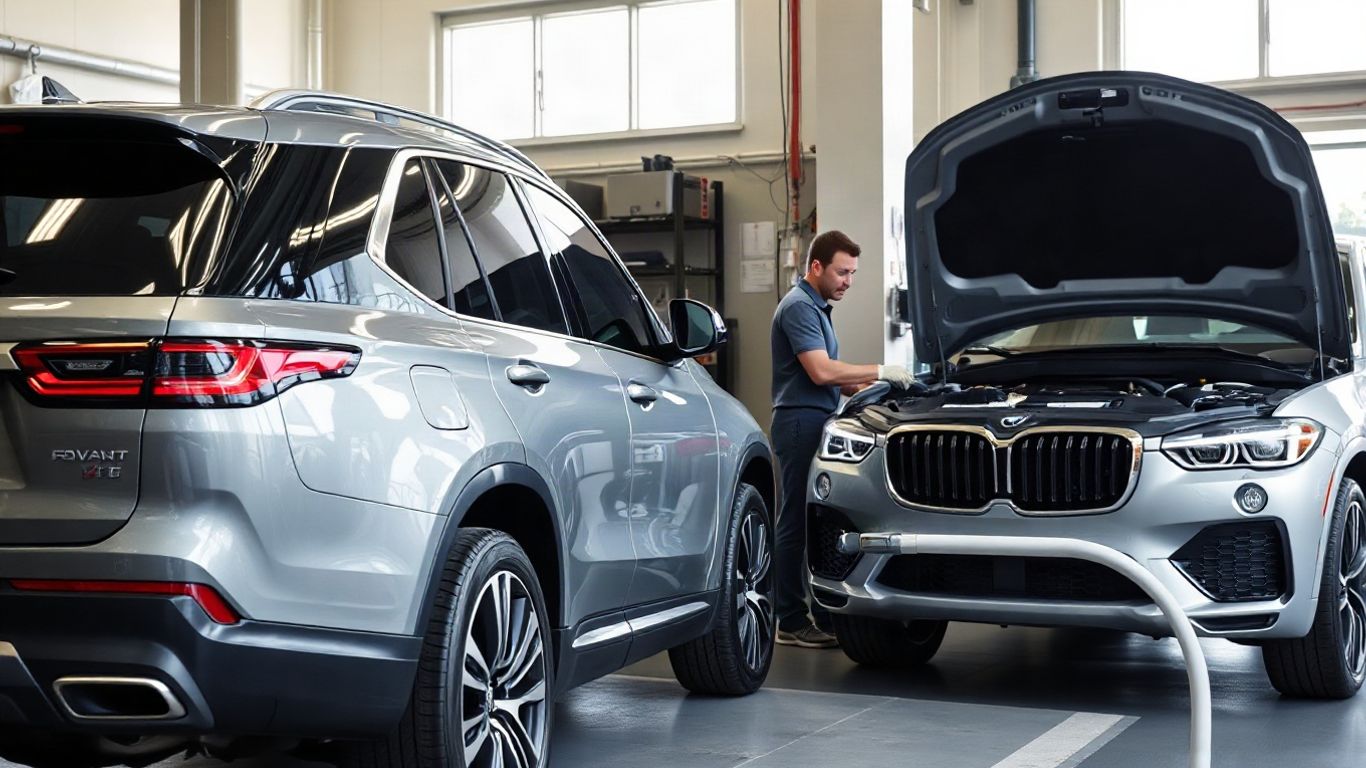
Checking the maintenance schedule for your model and year
Look in the owner’s manual or maintenance guide for the brake-fluid service interval, and check the records for prior work. If the schedule is unclear, ask a service provider to confirm it for the vehicle’s model year and configuration rather than relying on a general rule of thumb.
A simple record check can help organize the next step:
| What you know | Useful next step |
|---|---|
| Service date is documented | Compare it with the manual’s interval |
| Service history is incomplete | Ask a provider to inspect the fluid and system |
| The schedule is unclear | Confirm the interval for the model year |
| A warning or brake concern is present | Arrange a prompt inspection |
These details are more useful than a universal mileage estimate. Keep the invoice or service record after work is completed so the next interval is easier to track.
How driving conditions can affect service timing
Frequent hard braking, steep routes, towing, or stop-and-go traffic can place extra demands on a braking system. These conditions do not automatically change the manufacturer’s specified interval, but they are worth mentioning when discussing service. A provider can consider the vehicle’s use alongside its schedule and service history.
Signs that call for prompt brake-system inspection
A soft, spongy, or unusually low pedal, a fluid leak, or a brake warning light calls for attention rather than waiting for a routine flush appointment. Changes in stopping behavior also deserve prompt inspection. Avoid driving if braking feels unsafe, and seek professional help to determine the cause.
Choosing the correct brake fluid
Brake fluid is not a one-size-fits-all purchase. The correct specification depends on the vehicle, and choosing by a familiar label alone can lead to a mismatch. Confirm the requirement before opening a container or approving service.
Finding the specification in the owner’s manual
Check the owner’s manual or the vehicle’s service information for the required brake-fluid specification. If the wording is difficult to interpret, ask a qualified service provider to verify it using the vehicle details. Do not assume that fluid used in another car is suitable here.
Why fluid types should not be mixed casually
Different fluid specifications can have different characteristics and compatibility requirements. Avoid adding an unfamiliar fluid to the reservoir or combining products simply because both are labeled as brake fluid. If the fluid type already in the system is uncertain, have it checked before service rather than guessing.
Checking whether a particular model has special requirements
Model year and configuration may affect the required specification or service procedure. Have the provider confirm both before work begins, especially if the vehicle has an incomplete maintenance history or has undergone prior brake repairs. A clear answer about the specified fluid is a reasonable part of a service estimate.
What happens during a professional flush
A professional flush should begin with a look at the system, not just the fluid reservoir. The provider can check for visible problems and confirm the appropriate procedure for the vehicle. Once the scope is clear, the old fluid can be replaced and the work checked before the vehicle is returned.
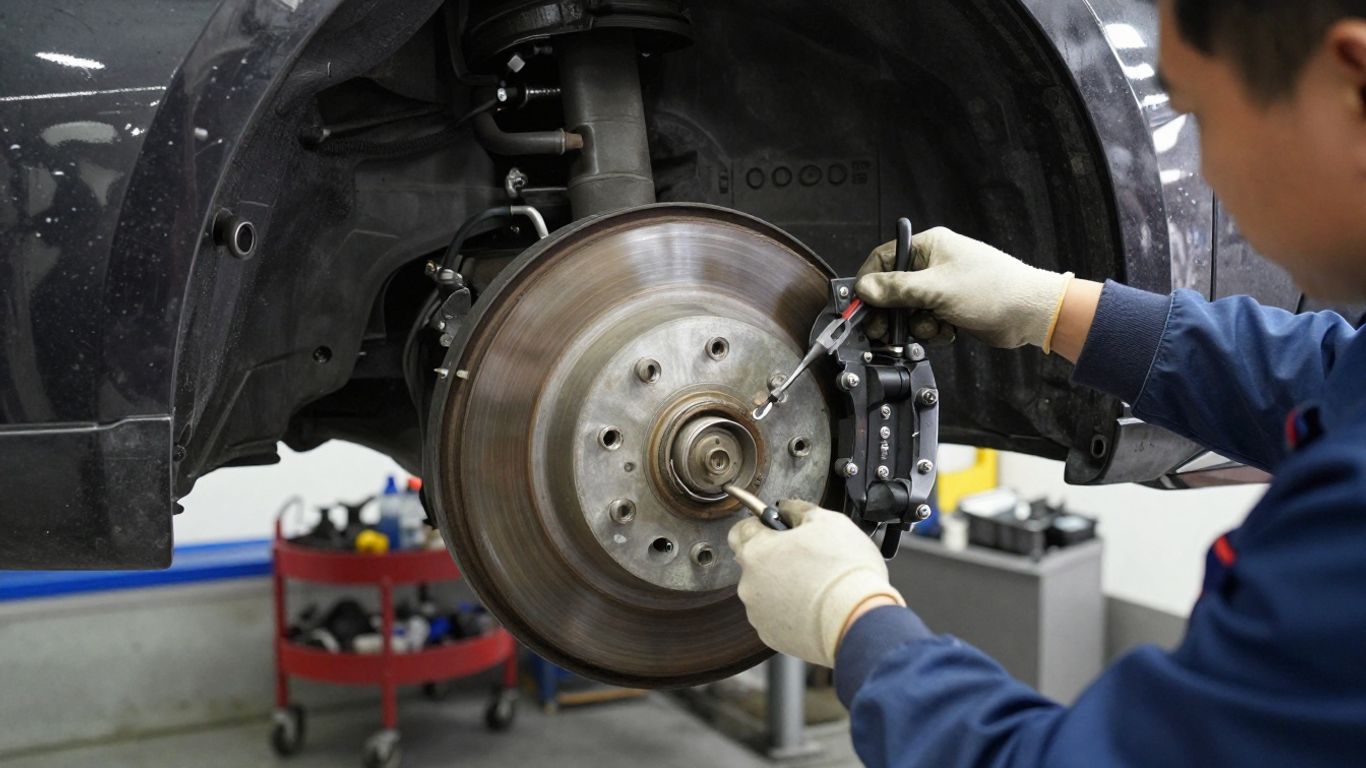
Inspecting the fluid and brake system first
The technician should review the service history if available and inspect for obvious leaks or other concerns. Fluid appearance alone cannot establish that every component is sound, so the inspection matters. If another repair is needed, ask for an explanation and estimate before authorizing additional work.
Replacing old fluid throughout the system
The service involves moving old fluid out and replacing it with fluid that meets the vehicle’s specification. The exact procedure can vary by vehicle and equipment, so the provider should be able to describe what is included. This is the point to clarify whether the quoted work is a complete flush or a different service.
Confirming pedal feel and checking for leaks
After the work, the technician should check the brake pedal and inspect the system for leaks or other issues related to the service. The pedal should feel consistent, and any concern should be addressed before driving away. A completed invoice or service record helps document what fluid and work were used.
What affects the cost of a brake fluid flush
There is no single price that applies to every vehicle or service location. Labor rates, the procedure required, and any additional findings can all affect the estimate. Ask for an itemized explanation so you can tell routine fluid replacement apart from repairs.
Differences in labor rates and service locations
Labor rates may differ between locations and types of service providers, and estimates can vary in what they include. A useful comparison looks at the scope, not only the final number. One owner’s question about a quoted flush charge illustrates why it helps to ask what the estimate covers rather than assume every quote describes identical work.
How model complexity and related repairs affect the estimate
The procedure and time required can differ by vehicle. If inspection uncovers a leak, damaged part, or other brake-system concern, the total may rise because that work is separate from replacing fluid. Ask the provider to explain which items are essential to the flush and which are additional recommendations.
What to confirm before approving the work
A written estimate makes it easier to understand the service before authorizing it. Clear scope matters in other kinds of bookings too, including unrelated bathroom remodeling, gutter repair, refrigerator repair, and packing and unpacking services; for brake work, the key is to confirm the fluid and procedure. If you are comparing a local service option, this brake-service information can also provide context for questions about timing and fluid specifications.
Deciding between professional service and DIY
A brake-fluid flush is safety-related work, and the right choice depends on experience, equipment, and the vehicle’s procedure. A confident do-it-yourselfer may still need specialized tools or another person’s help. If any part of the process is unfamiliar, professional service can reduce the chance of leaving an issue unresolved.
Tools and experience a DIY job requires
A DIY job calls for the correct fluid, suitable tools for the vehicle, a clean work area, and a reliable procedure for moving fluid through the system. The work also requires care to keep dirt and moisture out of the fluid and to avoid emptying the reservoir. Before starting, make sure the procedure is understood and that the tools are appropriate for the specific vehicle.
Safety risks of incorrect bleeding or contaminated fluid
Air left in the hydraulic system can affect pedal feel, while contaminated fluid or an incorrect procedure can compromise the result. Spills can also damage vehicle finishes, and old fluid must be handled and disposed of responsibly. If the pedal feels abnormal after any work, do not treat that as a minor inconvenience; arrange an inspection before driving normally.
Questions to ask a Land Rover service provider
A few direct questions can make an estimate easier to evaluate and help set expectations before the vehicle is left for service. Ask the provider to explain the specification and scope in plain language. Useful questions include:
- Which fluid specification does this vehicle require?
- Does the estimate cover replacing fluid throughout the system?
- Will you inspect for leaks or other brake concerns first?
- What work is included in the quoted price, and what would cost extra?
The answers should make it clear what is being done and why. Keep the estimate and final service record with the vehicle’s maintenance documents.
Conclusion
A Land Rover brake fluid flush is best scheduled using the exact vehicle’s maintenance information, service history, and any signs of a brake-system problem. Confirm the specified fluid, understand what the service includes, and get a clear estimate before approving work. Those steps make it easier to plan routine maintenance and respond appropriately when braking behavior changes.
Frequently Asked Questions
How often should brake fluid be replaced?
Follow the interval in the owner’s manual or maintenance schedule for the exact vehicle. If records are missing or the schedule is unclear, ask a qualified provider to confirm the right timing.
Does brake fluid go bad if a car is rarely driven?
Brake fluid can absorb moisture over time, so low mileage does not necessarily mean it never needs service. The vehicle’s schedule and fluid condition are better guides than mileage alone.
What does a brake fluid flush do?
A flush replaces old fluid through the braking system with fluid that meets the vehicle’s specification. Ask the service provider to describe the procedure, since terminology can vary.
Can I just top off the brake fluid?
Topping off adds fluid to the reservoir but does not replace the old fluid throughout the system. If the level is low, have the cause checked because a leak or other issue may need attention.
What are signs that the brake system needs inspection?
A soft or low pedal, a brake warning light, visible fluid, or a change in stopping behavior warrants prompt inspection. These symptoms can have different causes and should not be diagnosed by fluid appearance alone.
Can I use any brake fluid labeled DOT?
No. Use the fluid specification required for the vehicle, as listed in its owner’s manual or service information. Do not select a product based only on a familiar label.
Is a brake fluid flush a DIY job?
It can require vehicle-specific tools, a careful bleeding procedure, and clean handling of fluid. If you lack the correct equipment or experience, professional service is the safer option.