

Key Takeaways
Brake noise, vibration, and warning lights are useful clues, but a proper inspection is the only reliable way to confirm what needs replacing.
- Replace pads and rotors according to condition, not simply a fixed mileage interval.
- Choose parts that match the exact model, engine, axle, and braking system.
- Ask for a written estimate separating parts, labor, and any related repairs.
- Electronic parking brakes, wear sensors, and air suspension may require extra care.
- Gentle driving and timely inspections help new brake components last longer.
When your Land Rover needs new brake pads and rotors
A Land Rover brake pads and rotors replacement is usually prompted by wear, damage, or a change in braking feel rather than by one universal service interval. Heavy vehicles, frequent short trips, hills, towing, and stop-start traffic can all alter the timing. The safest approach is to treat new symptoms as a reason for an inspection, not as something to monitor indefinitely.
Brake work is also a good opportunity to check nearby components. A worn caliper, leaking line, loose wheel bearing, or poor tire condition can affect how the vehicle stops and may change the repair recommendation.
Warning signs of worn brake pads
Pads become thinner as their friction material is used. A high-pitched squeal, a scraping sound, or a brake pedal that feels different can indicate that the remaining material is low. Some vehicles use a wear indicator that makes noise or triggers a dashboard message, while others rely more heavily on visual inspection.
Do not assume that quiet brakes are healthy. Uneven pad wear can leave one pad with plenty of material while another is nearly finished. A technician should compare the inner and outer pads and check both sides of the axle before recommending parts.
Symptoms of damaged or warped rotors
Rotors may develop scoring, corrosion, heat spots, or thickness variation. A steering wheel or brake pedal that pulses during braking can point to uneven rotor surfaces, although suspension and wheel issues can create similar sensations. A vibration that becomes more noticeable from higher speeds deserves prompt attention.
A rotor does not always need replacement because it looks discolored. Its thickness, runout, surface condition, and relationship with the new pads all matter. If it is below the maker’s minimum specification or visibly damaged, replacing it is generally more sensible than fitting pads against a poor surface.
How driving conditions affect brake wear
Brake wear depends as much on use as on age. Urban traffic creates repeated low-speed stops, while mountain roads place longer loads on the braking system. Carrying heavy cargo, towing, and driving on steep descents can add heat and increase wear.
Wet or salty environments may also encourage surface corrosion when a vehicle sits for long periods. That does not automatically mean the rotors are unsafe, but persistent corrosion, rough braking, or noise should be assessed rather than dismissed as normal.
Why electronic brake alerts should not be ignored
A brake warning message can relate to pad wear, fluid level, the parking brake, or another monitored fault. The message alone may not identify the failed component, so reading the vehicle’s diagnostic information and inspecting the system is worthwhile.
If the pedal becomes soft, the vehicle pulls sharply, or a red brake warning remains illuminated, limit driving and arrange professional assistance. Continuing to drive can turn a relatively contained repair into damage to additional braking hardware.
Choosing the right brake pads and rotors
Parts should be selected by exact vehicle information, not by appearance or a broad model name. Year, engine, axle, wheel size, performance package, and production changes can all affect fitment. A dependable supplier can use the vehicle details to narrow the choices and make the buying process faster.
Both genuine parts and aftermarket parts can be suitable when their specifications, quality, and application are clear. Used parts may be appropriate for some non-wear components, but brake friction parts should receive especially careful scrutiny because their condition directly affects stopping performance.
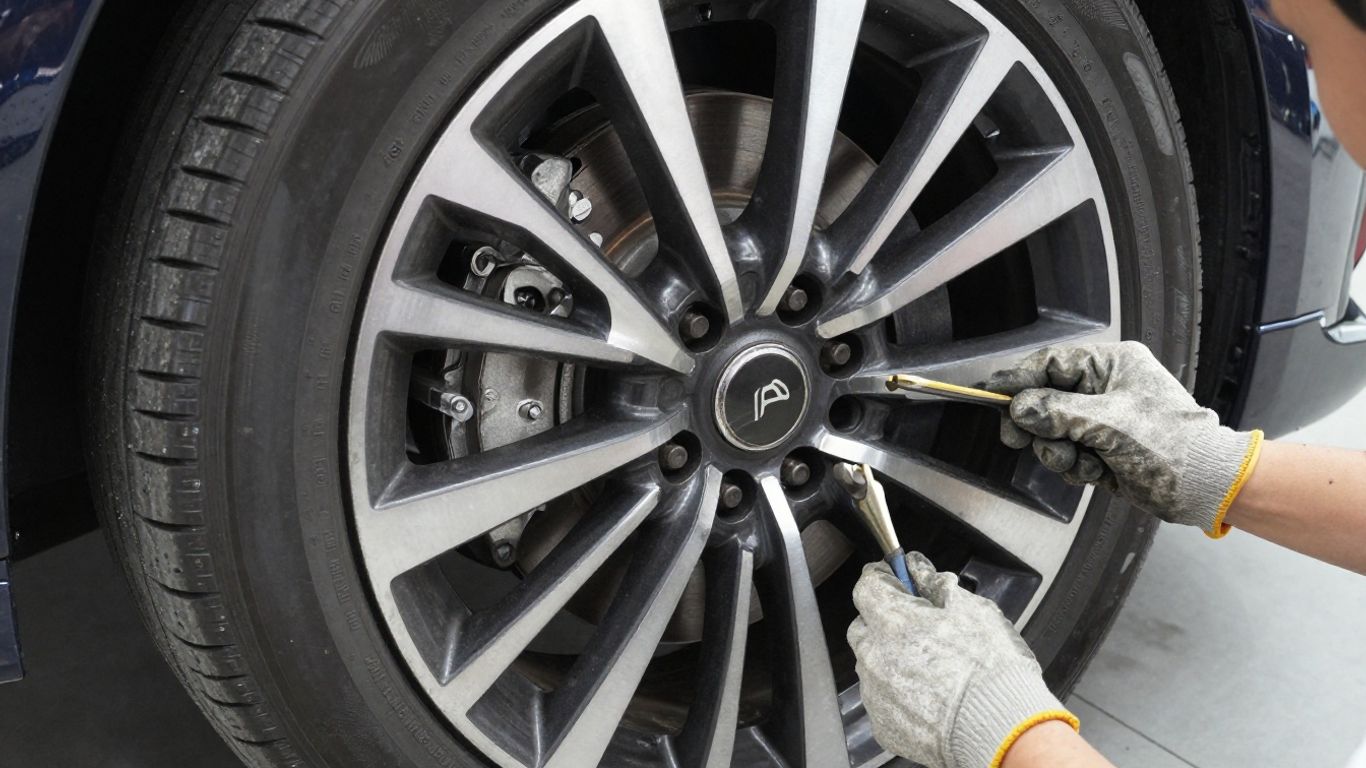
OEM versus aftermarket replacement parts
Original-equipment replacement parts are designed around the vehicle’s factory application. Aftermarket parts can also be a reasonable choice when they are made for the exact application and come from a reputable source. The key is not the label alone; it is correct fitment, consistent materials, and a warranty that explains what is covered.
For buyers comparing genuine brake parts, the useful questions are whether the rotors match the original dimensions, whether the pads are intended for the same axle, and whether the seller can verify compatibility. A low purchase price is less attractive if the parts need to be returned or do not work with the existing hardware.
Ceramic, semi-metallic, and low-metallic brake pads
Pad compounds involve trade-offs in noise, dust, temperature performance, pedal feel, and rotor wear. Ceramic pads are often chosen for quieter operation and lower visible dust, while semi-metallic compounds may suit applications where heat handling and strong friction are priorities. Low-metallic formulations sit somewhere else in that balance and can vary considerably by manufacturer.
There is no universally best compound for every vehicle or driver. Ask which formulation is specified for the model and how it suits towing, hills, city driving, or mostly open-road use. The pad should also be compatible with the rotor and caliper hardware being installed.
Matching components to your Land Rover model
A Range Rover, Discovery, and Defender may share some service principles while using different brake dimensions, sensor arrangements, or parking-brake procedures. Even within one model line, trim and engine changes can alter the required parts. Confirm the registration, VIN, build details, or original part number before ordering.
A vehicle-focused catalog can help, but catalog information should be checked against the car. Aftermarket brake options can be useful when the application is clearly identified and the parts are selected as a compatible set rather than as unrelated individual items.
Checking fitment, quality, and warranty coverage
Before approving a purchase, look for clear descriptions of axle position, dimensions, included hardware, and sensor compatibility. Confirm whether the warranty covers manufacturing defects only or also includes a stated period for other failures. Keep the invoice and installation records, especially when the parts are supplied as a kit.
A short fitment check prevents many avoidable delays. Clear communication matters in online purchasing too; even guidance about accurate metadata reflects the same basic principle: descriptions should match what is actually being offered.
How much Land Rover brake replacement costs
The price of a Land Rover brake pads and rotors replacement varies by model, axle, part choice, and local labor rate. A simple pad-only job costs less than replacing pads, rotors, sensors, and damaged caliper hardware. Estimates can also differ when one shop includes cleaning and inspection while another lists those steps separately.
Ask for a written quote before work begins. It should identify the front or rear axle, the number and type of parts, labor, tax, and any recommended repairs that are not part of the original brake service.
Typical parts and labor price ranges
There is no reliable single price for every Land Rover because brake sizes and component prices differ across the range. A shop may quote parts and labor together, while a parts supplier may show only the component cost. Comparing like with like is essential.
| Service scope | What it commonly includes | Main price variables |
|---|---|---|
| Pads on one axle | Pads, inspection, and installation | Compound and labor rate |
| Pads and rotors on one axle | Pads, rotors, hardware, and fitting | Rotor size and parts quality |
| Full front and rear service | Both axles and related inspections | Model, sensors, and labor time |
| Brake service with extra repairs | Brake work plus caliper or line repairs | Condition of surrounding components |
These categories help make an estimate easier to understand, but they are not a substitute for a vehicle-specific quote. If a price is unusually low, check whether it excludes sensors, hardware, disposal, tax, or follow-up adjustments.
Factors that increase the total repair cost
The final bill can rise when rotors are deeply scored, calipers do not release correctly, wheel hardware is seized, or a brake hose shows damage. Electronic parking-brake procedures and sensor replacement may add labor. Corrosion can also make removal slower, particularly on vehicles that have spent time in wet or salty conditions.
Parts availability affects timing as well as price. A supplier with a broad network can help locate quality used, genuine, or aftermarket parts, but the correct application still needs to be confirmed before dispatch.
Front brake replacement versus rear brake replacement
Front brakes often handle a larger share of the vehicle’s stopping load, but that does not mean the rear brakes can be ignored. Rear systems may include an electronic parking brake or an integrated sensor arrangement that changes the service method. Wear should be measured on each axle rather than assumed from mileage.
Replacing pads and rotors on one axle is common when the other axle remains within specification. Parts should generally be replaced in axle pairs so braking remains balanced from side to side.
When a brake service package offers better value
A package can be worthwhile when it includes matched pads and rotors, required clips or shims, and a clear warranty. It may also reduce the risk of pairing a new pad with a rotor whose surface or thickness is unsuitable. Read the contents carefully because the word “kit” does not always mean every fitting part is included.
The best value is the repair that fits the vehicle and resolves the underlying issue. A cheaper package is not economical if it creates noise, uneven wear, or a second visit soon after installation.
What happens during a brake pads and rotors replacement
A proper replacement involves more than removing a wheel and fitting two new components. The technician should inspect the whole corner, confirm the source of the symptom, and compare the new parts with the vehicle before installation. That process helps catch incorrect parts before the vehicle is reassembled.
The job may take longer when corrosion, seized fasteners, or related suspension problems are present. A clear explanation of additional findings gives the owner a chance to approve or decline work before the scope changes.
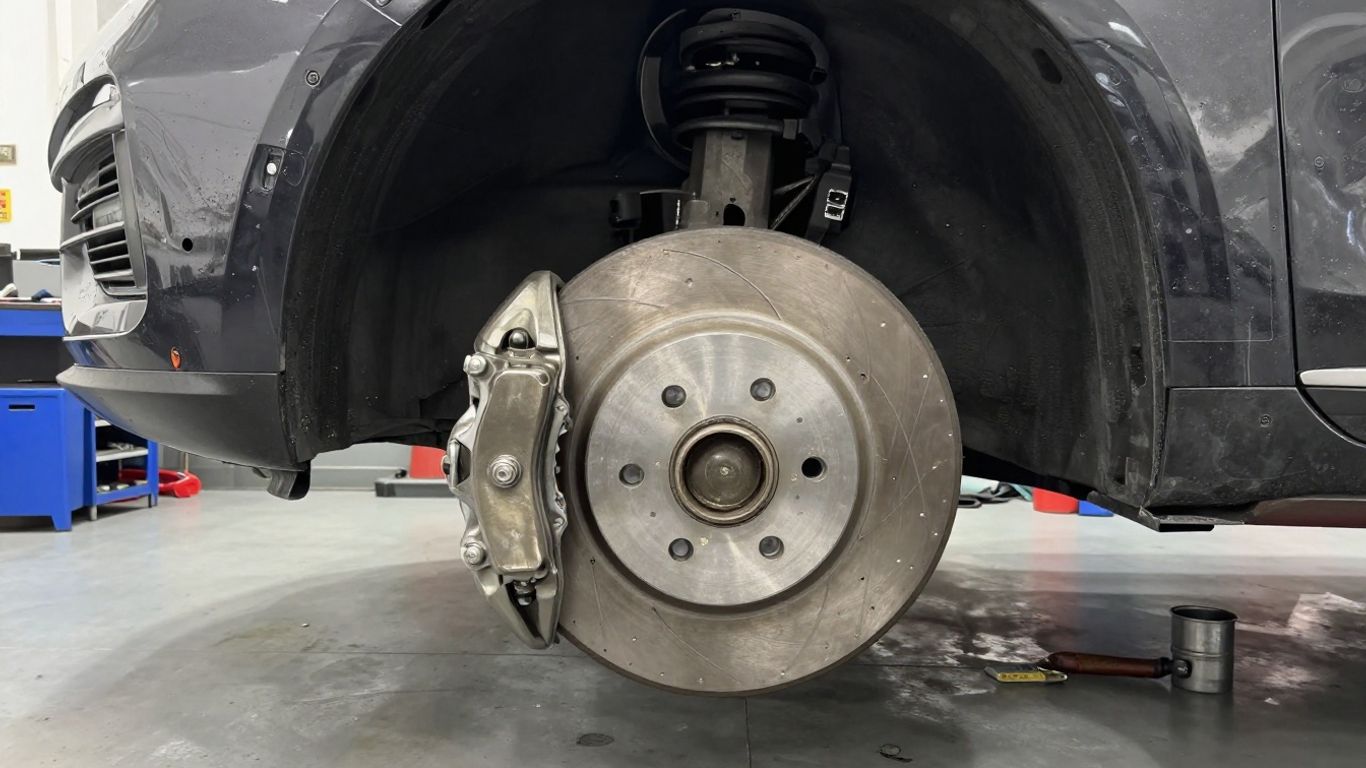
Inspecting the calipers, brake lines, and wheel hubs
The caliper should move and apply pressure evenly, with no obvious leaks or damaged dust boots. Brake lines and hoses need a visual check for corrosion, swelling, or fluid leakage. The wheel hub and mounting face should also be clean and secure because contamination can contribute to rotor runout.
This inspection is where a pad-and-rotor quote may change. If the caliper is binding or the hub face is badly corroded, fitting new friction parts alone may not solve the original vibration or uneven-wear complaint.
Removing and replacing the worn components
The wheel and old brake components are removed using the correct procedure for the vehicle. New rotors should be compared with the old parts for diameter, thickness, and mounting details, while pads should be checked for the correct shape and sensor arrangement.
Parts are normally replaced on both sides of an axle. That keeps friction characteristics consistent and avoids having one side use a substantially different surface or remaining thickness.
Cleaning, lubricating, and torquing the hardware
Contact surfaces should be clean, and the appropriate brake lubricant should be used only where specified. Friction surfaces must remain free of grease and contamination. Fasteners and wheel nuts should be tightened to the vehicle’s specified torque rather than simply tightened by feel.
Small details influence the result. Poorly cleaned mounting faces, misplaced shims, or over-tightened wheel nuts can contribute to noise, uneven contact, or future removal problems.
Bedding in the new pads and rotors
New friction surfaces need a controlled bedding-in period so the pad material transfers evenly to the rotor. The technician or owner should follow the supplied instructions, using several moderate stops with cooling time and avoiding harsh repeated braking immediately afterward.
The pedal may feel slightly different at first. If there is persistent grinding, severe vibration, pulling, or a warning light after installation, stop treating it as normal break-in and arrange a recheck.
Land Rover-specific considerations before service
Modern vehicles can require electronic and mechanical preparation before brake work begins. The exact procedure varies by model and equipment, so a technician should identify the vehicle before placing an electronic parking brake into a service position. Rushing this step can damage an actuator or make reassembly more difficult.
It is also worth telling the workshop about recent suspension work, warning messages, towing use, or changes in wheel and tire size. Those details can help explain unusual wear and make the inspection more targeted.
Electronic parking brake procedures
An electronic parking brake may need to be retracted or placed into a service mode before rear pads are removed. The method can depend on the model year and diagnostic equipment. It should not be forced back mechanically unless the manufacturer’s procedure specifically allows it.
After installation, the system may need to be returned to its operating position and checked for correct engagement and release. A parking brake that remains partially applied can create heat and rapid wear.
Brake wear sensors and dashboard resets
Some applications use a wear sensor that must be replaced when it has been triggered or damaged during removal. A dashboard message may not disappear simply because new pads are installed. The sensor circuit and the vehicle’s stored service information may both need attention.
A reset should follow a physical inspection, not replace one. If the warning returns, the cause could be a damaged connector, an incorrect part, or another braking fault.
Air suspension and wheel removal precautions
Vehicles with air suspension should be handled according to the appropriate lifting and support procedure. The workshop needs to use suitable lift points and make sure the vehicle is stable before removing a wheel. Suspension height or pressure should never be treated casually during service.
Wheel removal is also a chance to inspect the inner tire shoulder, wheel studs, and hub area. A brake complaint can sometimes be accompanied by a tire or wheel problem that would otherwise be missed.
Model differences across Range Rover, Discovery, and Defender
The names Range Rover, Discovery, and Defender cover several generations and configurations. Brake dimensions, pad shapes, rotor specifications, sensors, and parking-brake systems can differ between them. A general model label is therefore not enough to guarantee a correct order.
Use the vehicle identification details when requesting parts and ask the supplier to confirm the application. This is particularly useful when comparing a brake kit for a Range Rover with parts intended for another model or axle.
How to extend the life of new brake components
New parts last longest when the rest of the vehicle is in good condition and braking is smooth and predictable. Tire pressure, wheel alignment, suspension condition, and driving habits all influence how much work the brake system must do. Regular checks are less expensive than waiting for a severe symptom.
Good maintenance does not mean avoiding brake use. It means applying the brakes progressively, allowing heat to disperse when possible, and responding early when the pedal or vehicle behavior changes.
Using proper braking techniques
Leave enough following distance to brake progressively rather than repeatedly making abrupt stops. On long descents, use an appropriate lower gear where safe and avoid riding the pedal continuously. After heavy braking, allow airflow and time for the components to cool rather than holding the pedal hard at a standstill for an extended period.
These habits reduce unnecessary heat and can make brake performance more consistent. They also give the driver more time to respond to traffic without sudden, high-force stops.
Maintaining tire pressure and wheel alignment
Correct tire pressure helps the vehicle maintain a stable contact patch and reduces irregular loading. Alignment problems can contribute to pulling, uneven tire wear, and a driver applying the brakes unevenly to compensate. Check pressures when the tires are cold and follow the vehicle’s specified values.
If the steering wheel is off-center or the vehicle drifts on a level road, address that concern rather than assuming the brake pads are at fault. Braking, tires, and alignment often influence one another.
Inspecting brakes between service intervals
A visual check during tire rotation or routine servicing can reveal uneven pad wear, damaged dust shields, fluid leaks, or rotor corrosion. Drivers should also pay attention to changes in sound, pedal travel, and stopping distance. A simple inspection is especially useful before towing or a long trip.
For reference, a compact brake check can include:
- Pad thickness and whether wear is even on both sides
- Rotor grooves, cracks, heavy corrosion, or heat marks
- Caliper, hose, and brake-fluid leakage
- Tire condition, pressure, and signs of uneven wear
This list supports an inspection but does not replace measuring the components. A technician can determine whether the parts remain within specification and whether a symptom comes from the brake system or another component.
Recognizing when follow-up service is needed
Book a follow-up inspection if noise continues after bedding in, the vehicle pulls, the pedal pulses, or a warning light returns. New vibration should not be explained away automatically as normal settling. Keep notes about when the symptom appears, such as during gentle stops, hard braking, or downhill driving.
A clear description helps the workshop reproduce the problem. It also helps distinguish a bedding concern from a loose component, incorrect fitment, caliper issue, hub runout, or unrelated wheel and tire fault.
Conclusion
A careful Land Rover brake pads and rotors replacement starts with an accurate diagnosis and ends with correct fitment, proper installation, and a sensible bedding-in period. Compare quotes by their actual contents, use vehicle-specific information when ordering, and treat warning signs as reasons to arrange an inspection rather than delay service.
Frequently Asked Questions
How often should brake pads and rotors be replaced?
There is no single interval that suits every vehicle. Inspection results, pad thickness, rotor condition, driving conditions, load, and warning signs should guide the decision.
Should brake pads and rotors be replaced together?
Pads and rotors do not always need replacement at the same time, but worn or damaged rotors should not be paired with new pads. A technician should measure and inspect both components before deciding.
Is brake vibration always caused by warped rotors?
No. Rotor thickness variation, hub runout, wheel problems, suspension wear, and tire issues can all create similar symptoms. Diagnosis should consider the entire wheel assembly.
Can I replace brake pads without replacing the rotors?
Sometimes, if the rotors are smooth, thick enough, and within specification. Deep scoring, cracks, excessive corrosion, or thickness variation may make rotor replacement the safer option.
How long does a brake replacement take?
A straightforward axle service may take a few hours, but seized hardware, electronic parking-brake procedures, corrosion, or additional repairs can extend the appointment.
Are ceramic brake pads always the best choice?
No compound is ideal for every driver. Ceramic, semi-metallic, and low-metallic pads have different noise, dust, heat, and wear characteristics, so the application and driving pattern should guide the choice.
What should I do if the brakes still make noise after replacement?
Follow the bedding-in instructions and contact the installer if the noise persists or is accompanied by vibration, pulling, grinding, or a warning light. Continued symptoms deserve a prompt inspection.
A sensible brake safety guide also distinguishes necessary braking from deliberate, unsafe braking behavior. For broader vehicle planning, some owners may encounter unrelated resources such as party accessories, wood floor sanding, or local digital marketing; those subjects are separate from brake service and should not influence a vehicle repair decision.