

Key Takeaways
A diesel particulate filter needs the right exhaust temperature and accurate sensor information to clean itself properly. Understanding the early symptoms can prevent a manageable maintenance issue from becoming an expensive repair.
- Short, low-speed trips can interrupt DPF regeneration.
- Warning lights, rising fuel use, and reduced power deserve attention.
- Diagnosis should check the filter, sensors, and engine that feeds it.
- Forced regeneration is not suitable for every blocked filter.
- Regular longer drives and correct maintenance can reduce future problems.
How the diesel particulate filter works in a Land Rover
A diesel particulate filter sits in the exhaust system and captures soot before exhaust gases leave the vehicle. It is designed to store that material temporarily, then raise its temperature so the soot can burn away. The system is convenient when conditions are right, but it depends on sensors, engine condition, and the vehicle’s driving pattern.
What the DPF removes from diesel exhaust
The filter traps fine particulate matter, commonly called soot, from diesel combustion. It does not simply collect material forever; its capacity is managed through regeneration, which reduces the accumulated soot at a high exhaust temperature. Ash is different because it is left behind over time and cannot be burned away in the same manner.
A filter that is gradually filling may still allow normal driving for some time. Once restriction becomes significant, however, exhaust flow and engine operation can be affected. That is why a warning should be treated as useful information rather than a nuisance to clear.
How passive and active regeneration work
Passive regeneration can happen when sustained driving naturally creates enough heat in the exhaust. Active regeneration is initiated by the engine management system when the calculated soot load calls for it. During an active cycle, the vehicle may adjust fuel and engine operating conditions to increase exhaust temperature.
The process needs time to complete. Stopping the engine repeatedly, especially during short urban journeys, can interrupt the cycle and leave more soot in the filter than the system intended.
Why driving conditions affect filter performance
A commute of a few miles may never provide the sustained speed and load needed for reliable regeneration. Cold starts, traffic queues, and frequent idling all reduce the opportunity for the exhaust to reach its target temperature. The same vehicle may therefore behave very differently when used for regular highway journeys.
That pattern does not automatically mean the filter is defective. It may instead indicate that the vehicle’s normal use is poorly matched to the needs of a diesel emissions system. A general DPF maintenance guide can help owners recognize how driving conditions affect soot accumulation.
How the DPF system connects with engine sensors
The control system uses information from differential pressure, exhaust temperature, and oxygen-related sensors to estimate what is happening inside the exhaust. Those readings help determine whether regeneration should start and whether it has completed successfully. A bad reading can imitate a blocked filter or prevent a healthy filter from regenerating.
Because several components work together, replacing the filter without testing the related sensors can leave the original problem unresolved. The diagnostic process should examine the full system rather than relying on one dashboard message.
Common causes of Land Rover diesel particulate filter issues
Land Rover diesel particulate filter issues often begin with ordinary usage patterns rather than one dramatic failure. A filter can become restricted because regeneration is repeatedly interrupted, because an engine is producing excess soot, or because a sensor is reporting inaccurate data. Finding the cause matters as much as removing the soot.
Short trips and repeated stop-and-go driving
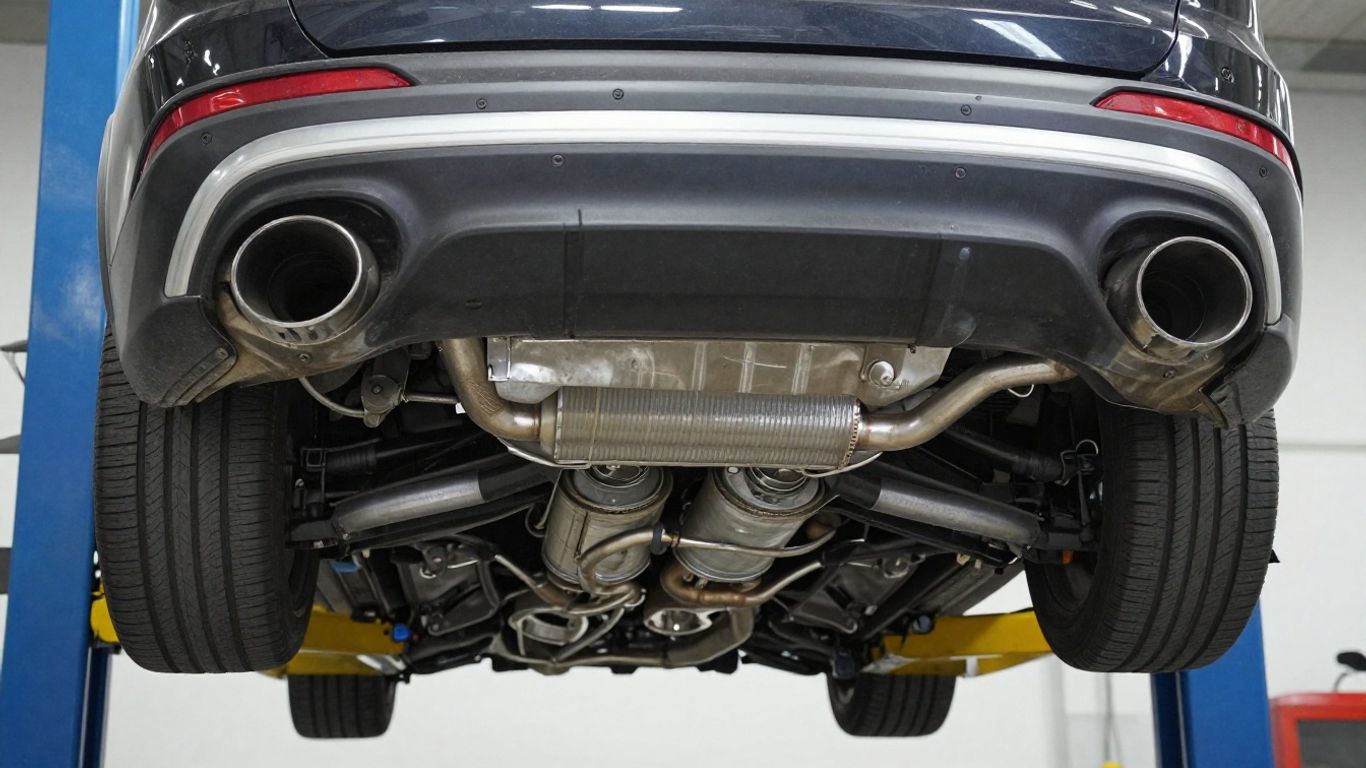
Short journeys keep the engine and exhaust relatively cool, while stop-and-go traffic creates frequent interruptions. If the vehicle is switched off during regeneration, the accumulated soot may continue to rise. Over weeks or months, that pattern can turn an occasional warning into a persistent restriction.
Drivers who mainly travel locally should be especially alert to changes in fuel consumption or idle behavior. A longer uninterrupted journey may help in some cases, but it should not be used to dismiss a warning that is already severe.
Failed regeneration cycles
Regeneration may fail because the necessary temperature was not reached, the cycle was interrupted, or the control system detected another fault. Repeated failures increase the soot load and can eventually trigger reduced-power operation. A technician should determine why the cycles failed rather than repeatedly starting them without further checks.
Faulty pressure, temperature, or oxygen sensors
Sensors provide the measurements used to manage regeneration and assess restriction. A pressure hose can become damaged or blocked, a temperature sensor can drift, or an oxygen-related reading can become implausible. Any of these faults may produce warning messages even when the filter itself is not the primary problem.
Engine problems that increase soot production
Poor combustion can fill the filter faster than normal. Possible contributors include air-intake restrictions, fuel-system faults, turbocharger problems, and exhaust gas recirculation issues. Smoke, rough running, or a new loss of performance should therefore be investigated alongside the DPF warning.
Incorrect oil or poor-quality fuel
The wrong engine oil can increase ash formation or be unsuitable for a vehicle fitted with a particulate filter. Fuel quality and maintenance condition also influence combustion and deposits. Owners should follow the vehicle’s specified oil and fuel requirements rather than choosing products only by price or convenience.
Warning signs of a blocked or failing DPF
The first warning may be a light, but the vehicle often provides other clues before the problem becomes critical. Symptoms can overlap with ordinary engine faults, so a pattern is more useful than any single sign. Record when the symptom appears and whether it changes after a longer drive.
DPF warning lights and dashboard messages
A DPF warning light or message indicates that the system has detected a condition requiring attention. The exact meaning depends on the vehicle and the accompanying messages. If the warning remains on, returns quickly, or appears with other alerts, arrange a proper inspection rather than repeatedly clearing the display.
Reduced power and limp mode
A heavily restricted exhaust can lead to reduced power or limp mode as the vehicle protects the engine and emissions system. Acceleration may feel limited, particularly under load or on an incline. Do not assume that the filter is the only possible cause; turbocharger, fuel, and sensor faults can create similar behavior.
Increased fuel consumption
Fuel use may rise when regeneration occurs more often or when the engine is working against increased exhaust restriction. A short-term change is not conclusive, but a sustained increase alongside a warning light deserves attention. Keeping a simple record of mileage and fuel purchases can make the change easier to explain to a technician.
Frequent cooling fan operation or rising idle speed
During or after regeneration, the cooling fan may run and the idle speed may change. These behaviors are not automatically signs of failure, particularly if they occur occasionally and the cycle completes. They become more concerning when they happen frequently, continue after normal journeys, or accompany a warning message.
Difficult starting and unusual exhaust symptoms
A severely restricted system may contribute to hard starting, rough running, or unusual exhaust behavior. Dark smoke, strong odors, or a noticeable change in exhaust sound should not be ignored. The vehicle may need immediate assessment if these symptoms appear with major power loss or multiple warning lights.
When several symptoms appear together, the safest next steps are usually straightforward:
- Check the dashboard for additional warning messages.
- Avoid stopping a suspected regeneration cycle unnecessarily.
- Do not keep driving if power loss is severe or the engine runs abnormally.
- Arrange diagnostic testing before authorizing parts replacement.
These steps help preserve useful information and reduce the chance of turning a sensor issue into a more serious engine or exhaust repair.
How to diagnose DPF problems accurately
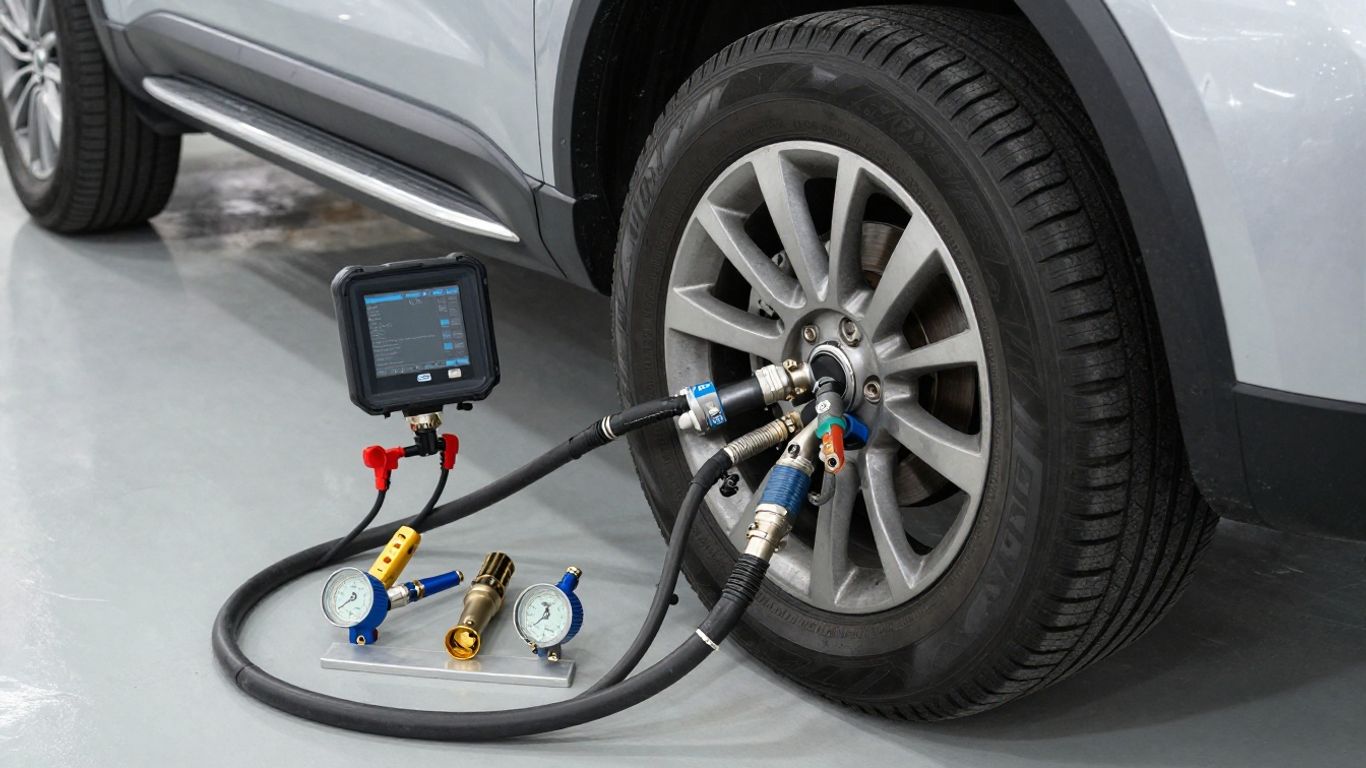
Accurate diagnosis starts with the vehicle’s data and ends with physical checks. A warning code alone does not prove that the filter needs replacement. The technician should compare stored values, measured pressure, temperature behavior, and the condition of the engine systems that affect soot production.
Reading diagnostic trouble codes
A scan tool can identify stored and pending diagnostic trouble codes, along with freeze-frame information from when a fault occurred. Codes may point toward pressure measurement, temperature control, regeneration, or engine operation. They are clues that guide testing, not a substitute for testing.
The code history also helps show whether the problem is new, intermittent, or repeatedly returning after an earlier repair. That distinction can prevent a temporary reset from being mistaken for a lasting fix.
Checking soot and ash accumulation
Soot load is typically estimated by the control system and may be reviewed through diagnostic data. Ash accumulation is a longer-term condition and cannot be treated as though it were fresh soot. A professional may also inspect the filter’s flow or restriction to assess whether cleaning remains practical.
A filter that is physically cracked, melted, or contaminated may need replacement even if a regeneration cycle reduces the calculated soot value. The condition of the substrate matters as much as the number on the scan tool.
Testing differential pressure and temperature sensors
Differential pressure should be checked with the engine off, at idle, and under appropriate operating conditions. The sensor hoses, wiring, and connections need inspection too. Temperature sensors should show plausible changes as the exhaust warms; an implausible reading can prevent correct regeneration.
The results should be compared with manufacturer service information for the specific engine. Generic assumptions about one model or engine family can produce the wrong diagnosis.
Inspecting the EGR, turbocharger, and fuel system
A filter is downstream from the combustion process, so faults upstream can overload it. The EGR system, turbocharger, air intake, injectors, and fuel pressure should be considered when soot levels rise unusually quickly. Oil leaks into the intake or exhaust can also change the type and amount of deposits.
This broader inspection is particularly valuable when a filter has already been cleaned but the warning returns soon afterward. The repeat failure may be evidence of an unresolved engine fault rather than poor cleaning.
Distinguishing a DPF fault from an engine fault
The central question is whether the filter is restricted, whether the system only believes it is restricted, or whether an engine problem is creating excess soot. A measured restriction, credible sensor data, and a failed regeneration history provide a stronger basis for repair than a warning light alone.
A reported DPF defects resource may be relevant to owners researching model-specific concerns, but it should not replace a vehicle-specific diagnosis. Symptoms and repair needs can differ substantially between engines, model years, and maintenance histories.
What to do when the DPF warning appears
The correct response depends on the warning level and how the vehicle is behaving. A mild warning with normal performance may allow a controlled regeneration drive if the owner’s manual permits it. A warning accompanied by severe power loss, smoke, or additional engine alerts calls for professional diagnosis instead.
When a controlled regeneration drive may help
If the vehicle is running normally and the instructions for that model allow it, a steady drive at operating temperature may give an automatic regeneration cycle time to finish. Choose a legal route with suitable traffic conditions and do not leave the vehicle unattended. Never treat a regeneration drive as a cure for a mechanical or sensor fault.
If the warning remains on afterward, stop attempting to solve it through repeated drives. The system may need scan-tool testing and a check of soot loading before further action.
Why ignoring the warning can cause further damage
As restriction increases, exhaust backpressure can rise and regeneration may become more difficult. Continued driving can also dilute engine oil in some circumstances or place additional stress on engine and turbocharger components. The exact risk varies, but postponing diagnosis generally reduces the number of repair options.
Situations that require immediate professional diagnosis
Seek prompt help when the vehicle enters limp mode, displays multiple engine warnings, produces heavy smoke, struggles to start, or shows abnormal temperature behavior. Towing may be safer than driving if the engine is misfiring, power is severely limited, or the warning is flashing.
Do not rely on online claims about particular model years as proof that your vehicle has a specific defect. For example, a DPF issue resource may discuss common concerns in a particular engine family, while your vehicle still requires its own inspection.
When forced regeneration is appropriate
A forced regeneration is a workshop procedure carried out with suitable diagnostic equipment and safety controls. It may be appropriate when soot accumulation is within an acceptable range, the sensors are working, and the underlying engine is operating correctly. The technician should confirm those conditions first.
The procedure is not a universal cleaning method. It cannot repair a cracked filter, correct a failed sensor, or remove the cause of excessive soot production.
Why repeated regeneration attempts can be risky
Repeated attempts can create excessive heat without resolving the reason the cycle failed. That may damage components or worsen oil dilution, particularly if the filter is already heavily loaded. Diagnosis should come before heat whenever a warning returns or the vehicle’s behavior changes.
A failed attempt is useful evidence. It tells the technician to review sensor readings, temperature rise, restriction, and engine faults rather than simply repeating the same procedure.
Land Rover DPF repair and replacement options
Repair should be based on the filter’s physical condition and the cause of the restriction. A suitable solution may be professional cleaning, a replacement filter, or repair of an engine or sensor fault that caused the loading. The cheapest immediate option is not always the least expensive over the life of the vehicle.
Cleaning a professionally removed DPF
Professional off-vehicle cleaning can remove accumulated ash and soot when the filter substrate remains intact. The filter should be inspected before and after cleaning, with flow or restriction results recorded where appropriate. Cleaning should not be presented as a repair for a cracked or melted unit.
Removal and refitting also require care. Seals, clamps, pressure lines, and sensor connections should be checked so that a clean filter does not immediately generate another warning.
Replacing a damaged or ash-loaded filter
Replacement may be necessary when the ceramic core is damaged, the filter has melted, or ash loading has reached a level that cleaning cannot reasonably correct. The replacement part must match the vehicle and emissions system. After installation, the system may require adaptation or a reset using appropriate diagnostic equipment.
Repairing the underlying engine or sensor problem
A new or cleaned filter will not last if the engine continues producing excessive soot. Corrective work may involve a sensor, wiring, EGR component, turbocharger, injector, intake restriction, or another engine-management fault. The repair estimate should make clear which cause has been identified and how it was tested.
Software updates and system recalibration
Control software and learned values can affect how regeneration is managed. Where an applicable update or recalibration is identified through service information, it may form part of the repair. It should be performed only with equipment and procedures suitable for the specific vehicle.
Comparing dealer and independent specialist services
A dealer may offer model-specific equipment and access to manufacturer procedures, while an independent diesel or emissions specialist may provide focused testing and cleaning expertise. Ask either provider for a written diagnosis, the proposed repair, and what checks will confirm the repair worked.
Be cautious of any service that promises a permanent result without inspecting the filter and related systems. Owners can also find broader Land Rover DPF claims information, though legal or claims material is separate from mechanical diagnosis and does not establish the condition of an individual vehicle.
How to prevent future diesel particulate filter problems
Prevention is mostly about supporting normal regeneration and catching related faults early. A diesel used almost exclusively for short urban trips may be more difficult to keep healthy than one that regularly reaches operating temperature on longer journeys. Maintenance records and honest assessment of driving habits are both useful.
Building longer drives into a regular routine
If practical and consistent with the owner’s manual, include an uninterrupted drive long enough for the engine and exhaust to reach normal operating temperature. Avoid switching off during an active regeneration unless safety requires it. A longer drive cannot compensate for a faulty system, but it can reduce interruptions caused by an unsuitable routine.
Following the correct maintenance schedule
Keep up with oil changes, air-filter service, fuel-system checks, and scheduled inspections. Ask for warning codes to be investigated rather than erased during routine servicing. Small maintenance issues can increase soot production and shorten the time between regeneration events.
Using the recommended engine oil and fuel
Use the oil specification listed for the engine and emissions system. Do not substitute a product solely because its viscosity appears similar. Purchase fuel from reputable sources and follow any vehicle-specific guidance on additives; unapproved additives may create new problems.
Monitoring warning signs before they become severe
Pay attention to changes in idle speed, fan operation, fuel consumption, starting, and power. A note in a phone or service record can show whether a symptom is occasional or becoming frequent. Early testing generally gives a technician more choices than waiting until the vehicle enters limp mode.
Choosing the right vehicle for your typical driving pattern
Before choosing a diesel, consider how often you drive, how long your journeys last, and whether you regularly carry loads or travel at highway speeds. The best powertrain is the one that suits the real pattern of use. Even unrelated planning resources, such as LongDistanceMovers.org, California Appliance Repair, a local SEO guide, or All City Bathroom Remodeling, have no bearing on this mechanical decision; they are included only as general service references and should not be confused with automotive advice.
Conclusion
Land Rover diesel particulate filter issues are easier to manage when the warning is treated as the starting point for diagnosis, not as proof that the filter alone has failed. Understanding regeneration, checking the sensors and engine, and choosing cleaning or replacement based on evidence can protect performance and avoid unnecessary work.
Frequently Asked Questions
What does a diesel particulate filter do?
A diesel particulate filter traps soot and other fine particulate matter in the exhaust, then uses regeneration to reduce the stored soot at high temperature.
Can short trips block a DPF?
They can contribute to restriction because the vehicle may not reach the temperature or sustained operating conditions needed to complete regeneration consistently.
Can I keep driving with a DPF warning light?
That depends on the warning and the vehicle’s behavior. If performance is normal, the owner’s manual may permit a controlled drive, but severe power loss, smoke, or multiple warnings requires prompt professional assessment.
Is a forced regeneration the same as cleaning?
No. Forced regeneration burns soot under controlled conditions, while professional cleaning may remove soot and ash after the filter has been removed and inspected.
Does a new DPF fix the underlying problem?
Not necessarily. If a sensor, fuel-system component, turbocharger, EGR system, or other engine fault caused excess soot, that problem must also be repaired.
How can I tell whether a DPF needs replacement?
Replacement is more likely when the filter is cracked, melted, physically damaged, or too heavily loaded with ash for effective cleaning. Testing should establish its condition first.
How often should a diesel DPF be checked?
Follow the vehicle’s maintenance schedule and arrange a check sooner if warning lights, rising fuel use, unusual idle behavior, reduced power, or repeated regeneration symptoms appear.