
Key Takeaways
EGR faults can look like several other engine problems, so symptoms should be confirmed with testing rather than guesswork.
- A stuck or restricted EGR valve can affect idle quality, acceleration, emissions, and starting.
- Soot, short journeys, failed actuators, wiring faults, and related intake problems are common contributors.
- Diagnostic trouble codes are useful clues, but they do not prove that the valve itself has failed.
- Cleaning may help when carbon is the problem; a damaged valve or actuator usually requires replacement.
- Regular servicing and varied driving can reduce the chance of recurring EGR trouble.
Understanding the EGR system in Land Rover vehicles
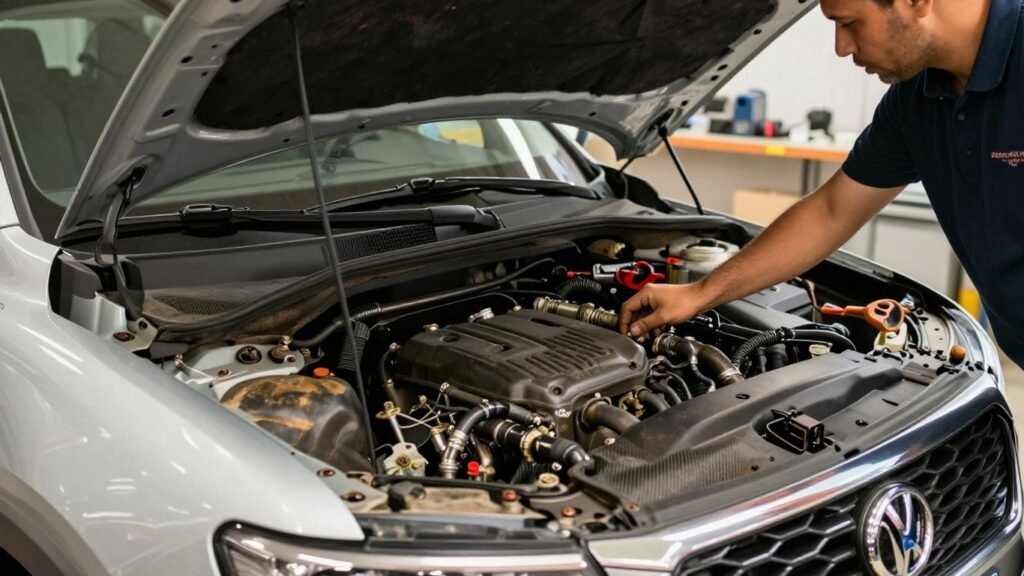
The exhaust gas recirculation system routes a controlled amount of exhaust back into the intake. Its purpose is to alter combustion conditions and reduce nitrogen oxide emissions, but it must open and close at the right times. The system can therefore affect both emissions equipment and everyday drivability. A useful overview of EGR valve operation can help put the system in context.
What the EGR valve does
The valve regulates the passage between the exhaust and intake sides of the engine. When commanded open, it allows a measured quantity of exhaust gas into the intake; when closed, it prevents that flow. The engine computer uses sensor feedback and operating conditions to decide when the valve should move.
How exhaust gas recirculation affects engine performance
Correct EGR operation supports the engine’s emissions strategy without overwhelming the intake with exhaust. If too much gas enters at the wrong time, combustion and airflow can become unstable; if too little enters, emissions control may fall outside the expected range. That imbalance may be felt as hesitation, an uneven idle, or weaker response.
EGR valve differences across Land Rover engines
The exact arrangement varies by engine family, model year, and emissions specification. Some systems use electronic actuators and position feedback, while others rely more heavily on vacuum control. For that reason, a procedure or fault code that applies to one vehicle should not automatically be transferred to another.
Why diesel models commonly develop EGR issues
Diesel exhaust contains soot, and that material can mix with oil vapour in the intake system. Over time, deposits may restrict passages or make the valve slow to respond. Diesel vehicles that spend much of their time idling or making short trips may provide less opportunity for the engine and emissions system to reach stable operating conditions.
Common symptoms of Land Rover EGR valve problems
Land Rover EGR valve problems rarely arrive with one universal symptom. The warning may be a mild hesitation, a light on the dashboard, or a noticeable loss of power under load. Symptoms also overlap with turbocharger, injector, airflow, and diesel particulate filter faults, so the pattern matters more than any single clue.
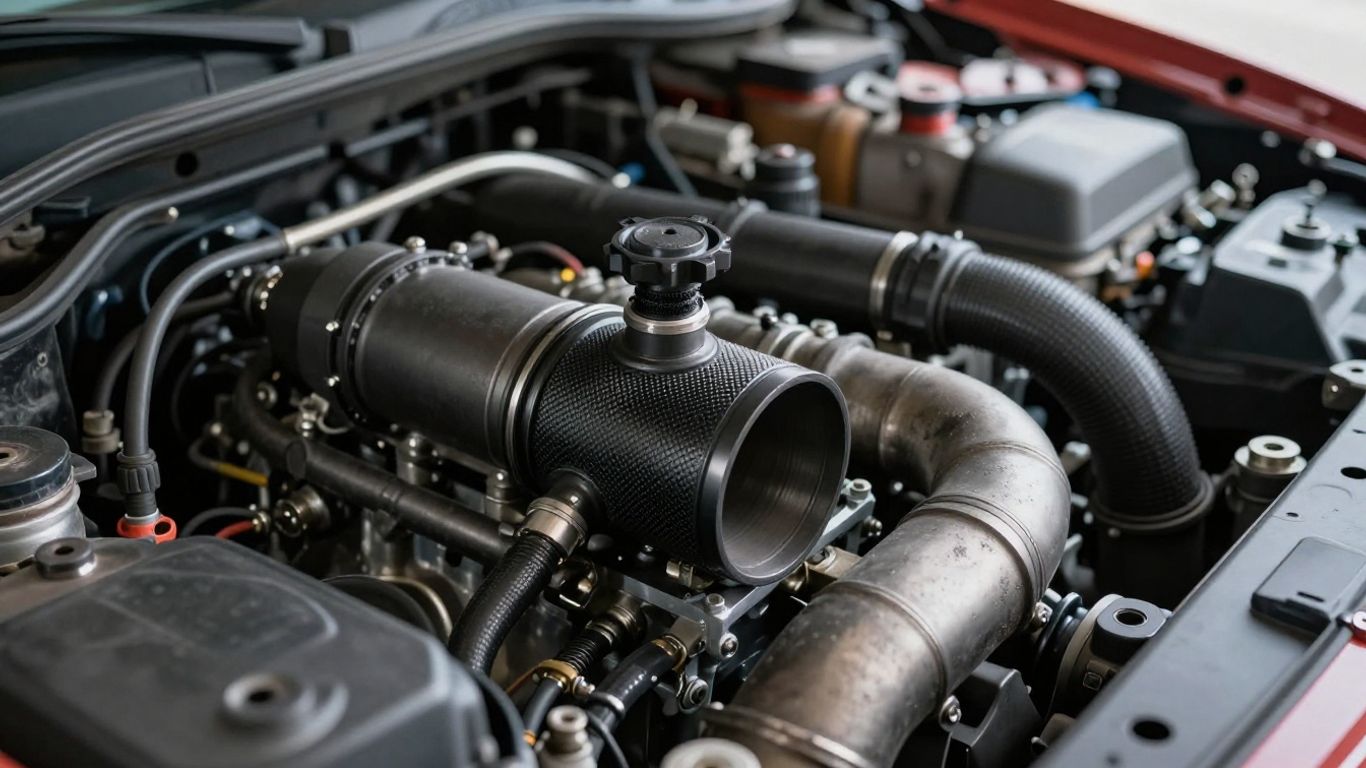
The following sections describe common signs, but they are starting points for diagnosis rather than a substitute for it.
Rough idling, hesitation, and poor acceleration
A valve that sticks open can disturb the air available during idle, while a valve that does not respond can upset the expected exhaust flow. The result may be a shaky idle, hesitation when pulling away, or uneven acceleration. Changes may be most obvious when the engine is cold or when the vehicle is asked to accelerate uphill.
Check engine and dashboard warning lights
The engine computer may detect a mismatch between the commanded EGR position and the measured airflow or position. It can then store a diagnostic trouble code and illuminate the check engine light. The light identifies a monitored fault, not necessarily the failed component, so the code should be read alongside live data and a physical inspection.
Excessive smoke, reduced fuel economy, and power loss
Incorrect exhaust-gas flow can disturb the intended air-to-fuel balance and combustion process. Depending on the fault, a driver may notice smoke, poorer fuel economy, or a vehicle that feels flat under load. These signs can also point to intake restrictions or other emissions-system problems, which is why a broad inspection is worthwhile.
Difficult starting and engine stalling
A valve that remains open when it should be closed can make starting less stable, particularly if deposits have restricted the intake path. Severe imbalance may cause the engine to stall at idle or after lifting off the accelerator. Repeated stalling should be treated as a safety concern, not simply an inconvenience.
Limp-home mode and restricted performance
When the control system sees a fault that could affect emissions or engine protection, it may limit throttle response or boost. This reduced-performance strategy is commonly called limp-home mode. If power suddenly drops, avoid demanding acceleration and arrange testing promptly.
What causes EGR valve failure
EGR failure is usually the result of contamination, mechanical wear, control faults, or a related problem that places extra strain on the system. The valve itself may be serviceable even when its passages, wiring, or sensors are not. A careful diagnosis looks at the complete route from exhaust flow to intake response.
Carbon buildup from soot and short trips
Soot and oily residue can accumulate around the valve and its passages. Short journeys may leave the engine operating for long periods without fully stabilising, while repeated low-load use can encourage deposits. Once buildup restricts movement, the actuator may work harder and the valve may no longer reach its commanded position.
Sticking valves, damaged actuators, and faulty sensors
A valve can stick because of deposits or internal wear. The actuator may fail mechanically or electrically, and a position sensor can report an implausible reading even when the valve appears clean. These faults can produce similar dashboard warnings but require different repairs.
Wiring, vacuum, and electrical control problems
Loose connectors, damaged wiring, poor grounds, or a failed vacuum hose can interrupt EGR control. Moisture and heat near the engine add to the risk. Before replacing an expensive component, technicians should verify the supply, signal, vacuum path where fitted, and continuity of the relevant circuits.
Issues caused by the intake and diesel particulate filter system
A restricted intake can change the pressure conditions the EGR system depends on. Problems elsewhere in the emissions system, including a DPF that is not regenerating as expected, may also create confusing symptoms or repeated warnings. The surrounding system matters because replacing the valve alone may not remove the original cause.
How driving conditions influence EGR wear
Frequent cold starts, short commutes, prolonged idling, and heavy low-speed traffic can increase deposit formation. Longer drives at varied speeds may allow the engine and emissions equipment to reach normal operating conditions, though driving cannot repair a damaged valve. It is better viewed as one part of sensible vehicle use.
How to diagnose a faulty EGR valve
Diagnosis starts with the vehicle’s history and the exact conditions under which the symptom occurs. A scan tool can reveal stored information, but codes need to be interpreted rather than treated as a parts list. A methodical inspection can prevent an unnecessary valve replacement and may expose a related airflow or electrical issue.
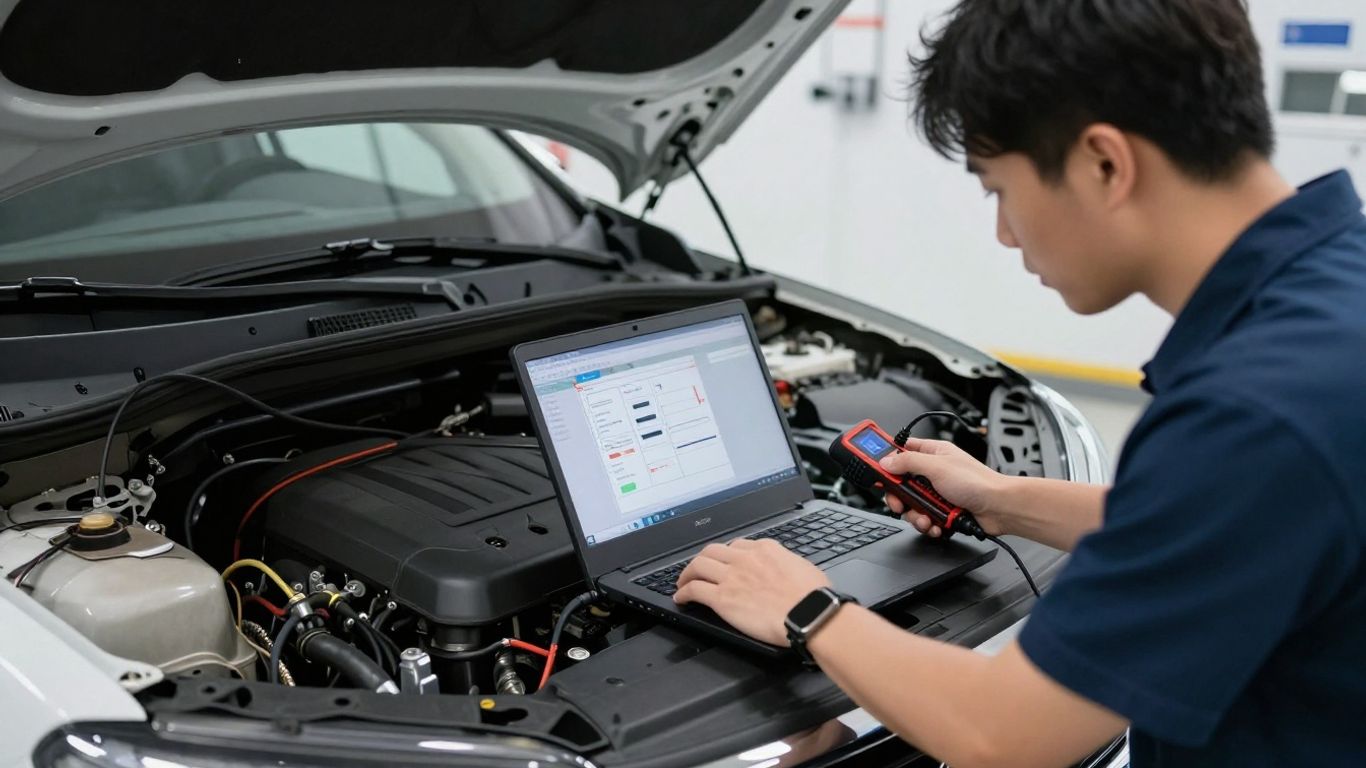
For broader fault-finding habits, a concise engine warning light guide is useful background, although vehicle-specific testing remains essential.
Reading diagnostic trouble codes with an OBD scanner
An OBD scanner can identify codes associated with EGR flow, position, or control performance. Record freeze-frame data and note whether the fault appears during cold running, acceleration, or steady cruising. Clearing the code before recording it removes useful evidence and does not fix the underlying problem.
Inspecting the valve, passages, hoses, and wiring
A visual inspection should cover the valve body, connecting passages, electrical plug, wiring, and any vacuum hoses. Technicians may also look for damaged seals, excessive residue, loose connections, or signs of an intake restriction. The related Range Rover EGR symptoms reference can help owners describe what they have noticed before booking an inspection.
Testing EGR operation with live data
Live data allows the commanded valve position to be compared with the reported position and with airflow readings. A healthy response should change in a way that matches the operating conditions and the test command. A slow, absent, or inconsistent response points toward a control, actuator, sensor, or flow problem that needs further isolation.
Distinguishing EGR faults from turbocharger or injector problems
Loss of power and smoke are not unique to EGR faults. Boost leaks, turbocharger control issues, injector problems, airflow-meter errors, and DPF restrictions can create similar complaints. Comparing boost, fuel, airflow, and EGR data is more reliable than replacing the first component named by a generic symptom.
When professional diagnostic testing is necessary
Professional help is sensible when the warning light returns, the vehicle enters reduced-power mode, or wiring and live-data tests do not agree. Access can also be difficult, and some systems require specific procedures after parts are installed. A Range Rover Sport EGR assessment is a relevant example of why model-specific evaluation matters.
Repair and replacement options
The correct repair depends on what testing finds. A clean valve with a sound actuator may respond to careful cleaning, while damaged electronics or excessive wear call for replacement. Before work begins, confirm whether the restriction is in the valve, the passages, or another part of the intake and emissions system.
When EGR cleaning may solve the problem
Cleaning can help when carbon is preventing normal valve movement and the actuator, sensor, and housing remain serviceable. The component must be removed and cleaned in a way that avoids damaging seals or electronics. If the valve is worn, corroded, or electrically failed, cleaning is unlikely to provide a lasting repair.
When the valve or actuator needs replacement
Replacement is more appropriate when the valve cannot hold its position, the actuator has failed, or the position signal is unreliable. A valve that repeatedly sticks after cleaning may also have internal wear. The underlying cause should still be checked, otherwise a new component may face the same contamination or control problem.
What an EGR replacement typically involves
The job generally includes confirming the fault, removing surrounding components as needed, replacing seals, fitting the new valve, and checking the connected passages. Access varies considerably between engines. The technician should inspect for contamination and verify that the replacement part matches the vehicle’s engine and emissions specification.
Software updates, adaptations, and post-repair checks
Some electronic systems need an adaptation, calibration, or relearn after installation. The diagnostic process should then confirm valve movement, airflow response, and the absence of returning codes. A road test under suitable conditions helps establish that the original hesitation, smoke, or warning has actually been resolved.
Risks of delaying repairs or ignoring warning signs
Continued driving with an unresolved fault can increase deposits and may place additional stress on related emissions components. Reduced power can also make merging or climbing less predictable. If the engine is stalling, smoking heavily, or repeatedly entering limp-home mode, stop treating the warning as a minor service reminder.
Preventing recurring EGR valve problems
Prevention is mostly about keeping the engine, intake, and emissions system in the condition expected by the manufacturer. No driving habit can eliminate mechanical or electrical failure, but sensible maintenance can reduce avoidable contamination. The goal is to notice a developing issue before it becomes a wider drivability problem.
Choosing the right maintenance schedule
Follow the service intervals for the specific engine and keep records of oil changes, filter replacement, and diagnostic warnings. If the vehicle is used mainly for short trips, discuss whether its maintenance pattern should be reviewed. A recurring fault deserves investigation rather than repeated code clearing.
Reducing carbon buildup through driving habits
Allow the engine to reach normal temperature and include occasional longer journeys when practical. Avoid unnecessary idling and pay attention to changes in idle quality or throttle response. These habits support normal operation, but they are not a substitute for cleaning or repair when deposits have already restricted the system.
Keeping the intake, turbocharger, and DPF system healthy
Air leaks, blocked passages, and emissions-system faults can all influence EGR behaviour. During servicing, ask for the intake and connected hoses to be checked rather than focusing on the valve alone. This broader approach is more likely to prevent a repeat failure.
Using suitable fuel and engine oil
Use fuel and oil that meet the vehicle’s specified requirements. The correct oil can help limit unsuitable residue entering the intake through the breather system, while appropriate fuel supports the intended combustion and emissions strategy. Product choice should always follow the owner’s manual and engine specification.
When to have the EGR system inspected again
Arrange an inspection if the warning light returns, fuel economy changes noticeably, smoke increases, or acceleration becomes hesitant. After a repair, return promptly if the same symptom reappears. For perspective on early warning signs, an EGR failure symptom checklist can help organise observations before a workshop visit; unrelated vehicle issues such as roof flashing damage require a completely different inspection process.
Conclusion
EGR problems are best handled as a system diagnosis, not a guess based on one warning light. Notice changes in running quality, record when they occur, and have the valve, passages, controls, and related emissions equipment tested before choosing between cleaning and replacement.
Frequently Asked Questions
What does an EGR valve do?
It directs a controlled portion of exhaust gas back into the intake to support emissions control and alter combustion conditions.
Can a bad EGR valve cause rough idling?
Yes. If the valve sticks or the expected exhaust flow is disrupted, the engine may idle unevenly or hesitate.
Does an EGR fault always turn on the check engine light?
No. A developing mechanical problem may cause drivability symptoms before the computer recognises a fault, while some faults trigger a warning quickly.
Is EGR cleaning always effective?
No. Cleaning may help with removable carbon deposits, but it cannot repair a failed actuator, sensor, wiring fault, or worn valve.
Can an EGR problem cause smoke?
It can contribute to smoke when exhaust-gas flow changes the intended combustion conditions, although smoke also has many other possible causes.
Is it safe to drive with reduced engine power?
Only for the shortest practical distance to a safe location or repair facility. Reduced power and stalling can create hazards in traffic.
How can EGR problems be prevented?
Use the specified fuel and oil, follow service intervals, avoid excessive idling, include suitable longer drives, and investigate warning signs early.