

Key Takeaways
Land Rover transfer case chain wear can begin as a small noise and progress into serious drivetrain damage. Careful diagnosis matters because several other components can create similar symptoms.
- A worn chain may clunk, slip, vibrate, or produce whining and grinding noises.
- Fluid condition, chain slack, sprocket wear, and driveline play all need inspection.
- Towing, off-road driving, tire mismatch, and harsh acceleration can increase load.
- A chain-only repair may be appropriate when sprockets, bearings, and housing remain sound.
- Early attention can limit damage, repair cost, and vehicle downtime.
What transfer case chain wear means
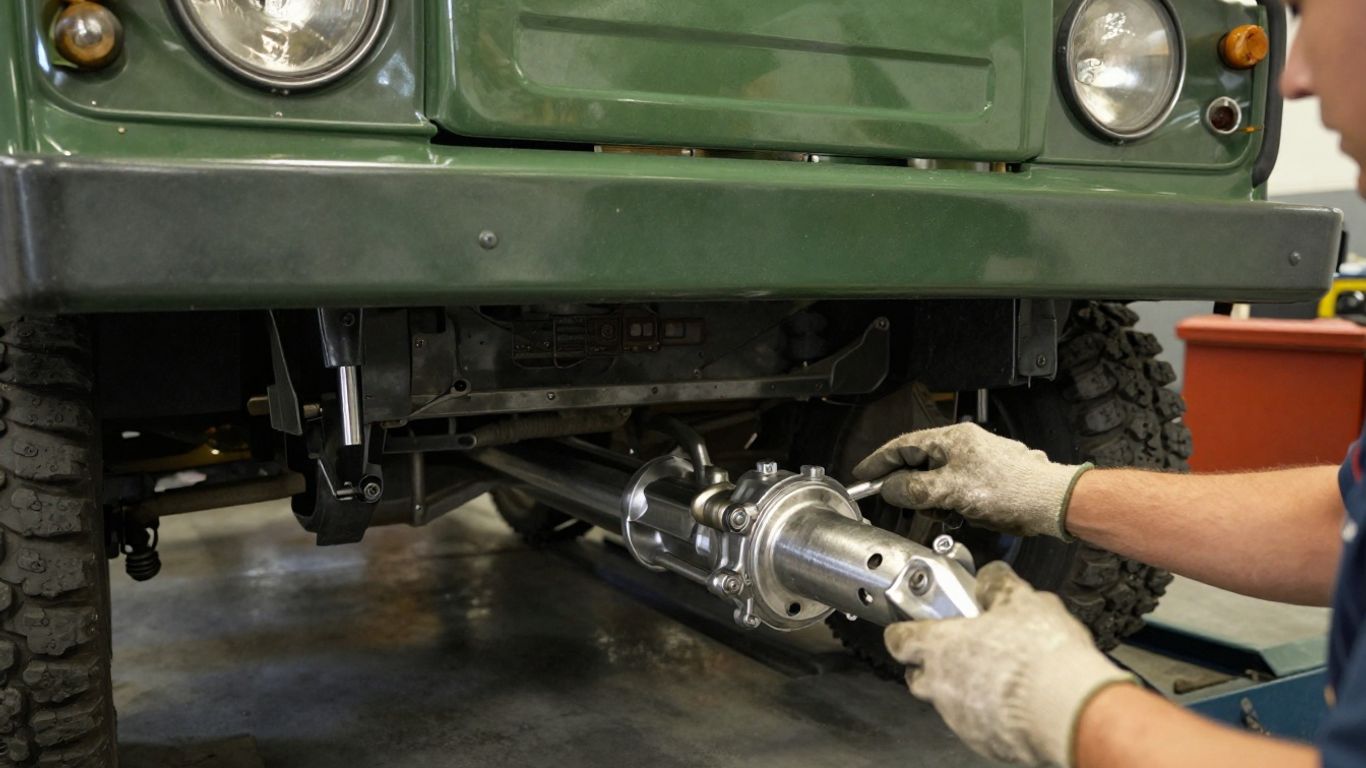
The transfer case sends engine torque to the front and rear driveline in a four-wheel-drive system. In chain-driven designs, a metal chain transfers that torque between sprockets inside the case. Land Rover transfer case chain wear is therefore an internal drivetrain issue, not simply a noisy accessory or loose external part. Identifying the mechanism helps distinguish normal operating sounds from a developing fault.
The chain’s role in the drivetrain
The chain links the transfer case input to the output that drives one axle, allowing torque to reach both ends of the vehicle. It must stay engaged with its sprockets while torque changes rapidly during acceleration, hill climbs, and traction changes. When the chain no longer runs firmly on the sprocket teeth, power delivery can become uneven and the case may make a sharp mechanical noise.
How normal wear develops over time
Every chain link and sprocket tooth is exposed to load, lubrication, heat, and repeated changes in direction or torque. With use, the links can develop more working clearance, while the sprocket teeth lose their original profile. The result is commonly described as chain stretch, although the metal links themselves may not have elongated like a rubber belt. Wear becomes more noticeable when the drivetrain is heavily loaded.
Which Land Rover transfer cases use a chain
Not every transfer case uses the same internal arrangement, so the vehicle identification number, transfer case code, and service information should be checked before ordering parts. Some Land Rover applications use chain-driven cases, while others may use different designs or control systems. A parts listing for an ITC PLA chain can help identify one documented chain application, but it should not replace confirmation of the unit fitted to the vehicle.
Why mileage, load, and driving conditions matter
Mileage gives only a rough indication of risk. A vehicle used for towing, steep terrain, mud, or repeated low-speed traction work may place more stress on the chain than a lightly used vehicle with similar miles. Oversized tires can also increase the torque demanded by the drivetrain. Hard throttle while a trailer or heavy vehicle load is pushing against the driveline can expose wear that gentle driving temporarily hides.
Symptoms of a worn transfer case chain
Symptoms can appear alone or in combination, and their intensity often depends on throttle position, vehicle speed, and selected range. A single clunk does not prove that the chain is worn, because mounts, universal joints, differentials, and axles can also produce impact noises. The useful question is whether the symptom repeats under a particular load and whether inspection supports the road-test impression.
Clunking or banging during acceleration
A clunk or bang when accelerating can occur when a loose chain moves abruptly on the sprockets. It may be most obvious during takeoff, on an incline, or when the throttle is opened quickly. The transfer case chain slip discussion describes this general pattern, but a workshop should still check the rest of the driveline before assigning the noise to the chain.
Chain slip under hard throttle
Chain slip can feel like a brief jump, hesitation, or sudden loss and return of drive. It tends to occur when torque rises faster than the worn chain can remain seated on the sprocket teeth. Repeatedly provoking the symptom is not a sound diagnostic method; each jump can increase damage to the chain, sprockets, and other transfer case components.
Jerking, vibration, or drivetrain shudder
A worn chain can make torque delivery uneven, producing a jerk or shudder during acceleration or gear changes. Vibration may also come from a bent or unbalanced driveshaft, a failing joint, a worn mount, or tire-related issues. Note the speed, temperature, gear, range, and throttle position when the symptom occurs, since that information gives the technician a clearer starting point.
Whining, rattling, or grinding noises
A steady whine may point toward bearing or gear wear rather than the chain alone. Rattling can accompany excess chain slack, while grinding suggests that internal parts may be contacting or running with damaged surfaces. Metal-on-metal sounds should be treated as a reason to limit driving until the transfer case and its fluid have been examined.
Changes in symptoms between high and low range
The selected range changes torque multiplication and the operating conditions inside the transfer case. A chain may seem quiet in high range but jump under the heavier load created in low range, or the reverse may occur depending on the fault. Differences between ranges are useful evidence, not a diagnosis by themselves, and testing should be performed only in a controlled, safe setting.
Common causes and contributing problems
Chain wear rarely develops in isolation. Lubrication problems, worn bearings, poor tire matching, and shock loads can all change how the chain runs. Some conditions accelerate wear, while others imitate it from outside the transfer case. A good repair plan addresses the underlying cause rather than replacing the first part associated with a noise.
Low, contaminated, or incorrect transfer case fluid
The correct fluid reduces friction and carries heat away from internal components. A low level may result from a leaking seal, while contaminated fluid can carry abrasive material through bearings and gear surfaces. Fluid that looks burnt, unusually dirty, or metallic deserves further investigation. Using the wrong specification can also compromise lubrication even when the level appears correct.
Stretched chain links and worn sprockets
As clearance develops at the chain links, the chain no longer sits precisely on the sprocket teeth. The teeth may wear into a hooked or uneven profile, especially where the highest torque is repeatedly applied. Replacing a worn chain while leaving badly damaged sprockets in place can produce a short-lived repair because the new chain will still run against the incorrect tooth shape.
Worn bearings, gears, or shift components
Bearings can create noise and allow shafts to move out of their intended alignment. Damaged gears may whine or grind, while shift components can cause range-selection problems that feel like a chain fault. Inspection should therefore include the case bearings, gears, seals, shift mechanism, and housing, not just the chain itself.
Towing, off-road use, and oversized tires
Heavy trailers, steep climbs, low-traction surfaces, and repeated wheelspin place substantial shock loads through the transfer case. Larger tires can increase effective gearing demands and put more torque through the chain and sprockets. These uses do not guarantee failure, but they change the service conditions and may shorten the life of already-worn parts.
Driveline slack mistaken for chain wear
A worn universal joint, differential backlash, axle component, or loose transfer case mount can create a similar clunk during throttle changes. Before opening the case, a technician should inspect the driveshafts and mounting points and compare the direction and timing of the movement. This distinction matters because an internal rebuild will not correct looseness elsewhere in the driveline.
How to diagnose transfer case chain wear
Diagnosis should move from simple external checks to more involved workshop inspection. The vehicle should not be driven aggressively just to reproduce a jump, especially when a grinding noise or loss of drive is present. A structured process helps separate chain wear from fluid, bearing, axle, driveshaft, and control-system faults.
Road-testing the vehicle safely
A controlled road test can reveal whether the symptom follows acceleration, deceleration, turning, speed, or range selection. The technician should listen for repeatable noises and feel for torque interruption without using harsh throttle inputs. If the vehicle slips, bangs severely, or loses drive, testing should stop and the vehicle should be inspected rather than repeatedly operated.
Checking fluid level, condition, and metal debris
The transfer case fluid should be checked using the correct procedure and temperature conditions for that unit. The technician can look for a low level, leaks, abnormal odor, discoloration, and suspended or drained metal debris. Fluid evidence is not conclusive on its own, but it can support a diagnosis and indicate that bearings, gears, or sprockets may also need attention.
Inspecting for excessive chain slack
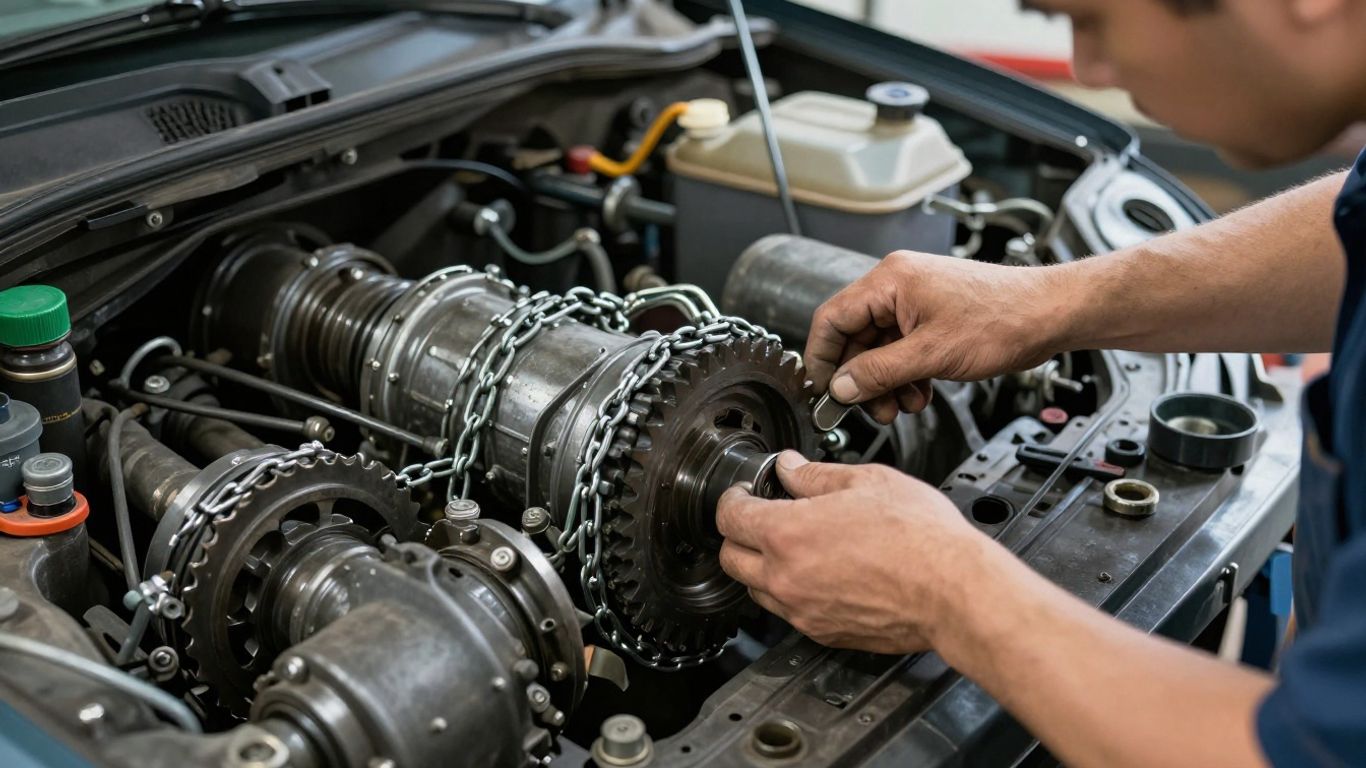
With the transfer case opened, the chain can be assessed for excessive slack, uneven movement, damaged links, and contact marks. Sprocket teeth should be checked at the same time because chain and sprocket wear usually interact. A workshop may use model-specific measurements or comparison with service limits rather than relying only on feel.
Separating transfer case faults from axle or driveshaft issues
The inspection should include universal joints, driveshaft runout, differential backlash, axle shafts, mounts, and related fasteners. Location can help: a noise at the rear axle is not automatically coming from the transfer case, and a body thump may be a mount moving under load. Comparing symptoms during acceleration and coast-down can further narrow the source.
Using scan tools and workshop measurements
Electronic four-wheel-drive systems may store fault codes or range-position information, but a clear scan does not rule out mechanical chain wear. Scan data is most useful alongside fluid checks, physical inspection, and measurements of shaft movement or chain slack. The final diagnosis should explain both the reported symptom and the evidence found inside or around the case.
Repair and replacement options
The correct repair depends on what the inspection finds, not merely on the presence of a worn chain. Some cases need a chain and seals; others also need sprockets, bearings, gears, or a replacement assembly. Ask for a written explanation of the damaged parts, the proposed parts list, and the reason each item is being replaced.
When a chain replacement is sufficient
A chain-only repair may be reasonable when the sprockets, bearings, shafts, housing, and shift components are within serviceable limits. The case still needs careful cleaning and inspection before reassembly. If the chain has been jumping, the technician should look beyond the chain itself because repeated skipping may have marked the sprocket teeth or created debris.
When sprockets and bearings should be replaced
Sprockets with hooked, chipped, or uneven teeth should generally not be paired with a new chain. Bearings that feel rough, show excess play, or have damaged races can allow misalignment and renewed wear. Seals are often considered during the same repair because a leak can cause the lubrication problem that helped create the original failure.
Rebuilding versus replacing the transfer case
Rebuilding preserves the original case when the housing and major components remain usable. It can be economical when parts are available and the technician can measure clearances accurately. A replacement transfer case may reduce teardown time, but its condition, specification, warranty, and included components should be confirmed before installation.
Choosing original-equipment and aftermarket parts
Part selection should begin with the exact transfer case code and vehicle application. Original-equipment and aftermarket parts can differ in materials, tolerances, included seals, and warranty terms. The least expensive chain is not necessarily the lowest-cost repair if poor fit or incomplete parts lead to another removal and installation.
Estimating labor, parts, and downtime
The estimate should account for removal, cleaning, teardown, inspection, reassembly, fluid, seals, and post-repair testing. Labor can increase when seized fasteners, damaged mounts, or additional internal wear are found. Downtime also depends on parts availability and whether the case is rebuilt in the vehicle or sent to a specialist.
Preventing repeat transfer case damage
Prevention is mostly consistent maintenance and attention to driveline condition. It cannot eliminate wear, but it can reduce heat, shock loading, and the chance that a small leak becomes an internal failure. The same habits also make emerging symptoms easier to notice.
Following the correct fluid service interval
Use the fluid specification and service procedure intended for the installed transfer case. Check for leaks when the vehicle is serviced and investigate a falling level rather than simply topping it off repeatedly. Fresh, correctly specified fluid cannot repair worn parts, but it supports lubrication and may reveal contamination early.
Matching tires and maintaining equal tread depth
Four-wheel-drive systems depend on compatible tire circumference across the axles. Tire size, brand, inflation, and tread depth should be kept consistent according to the vehicle manufacturer’s requirements. A significant mismatch can create continual driveline compensation and unnecessary transfer case stress, particularly during tight turns or long journeys.
Avoiding driveline shock and unnecessary load
Smooth throttle application is kinder to a worn or heavily loaded drivetrain than abrupt acceleration. Avoid using hard throttle to test a suspected slip, and use the correct range for the terrain and load. Towing technique, trailer weight, recovery work, and wheelspin control all influence the forces reaching the chain.
Inspecting seals, bearings, and mounts
A regular inspection should look for fluid seepage, damaged seals, bearing noise, loose mounts, and play in the driveshaft joints. These parts affect alignment and torque reaction even when the chain itself is healthy. Repairing a leak or mount early can prevent a secondary problem from becoming an internal transfer case repair.
Recognizing early warning signs before failure
A new clunk, intermittent jump, vibration, or change in transfer case noise deserves attention while the vehicle still drives normally. Keep a short record of when the symptom appears and whether it changes between ranges. Early inspection can turn a broader rebuild into a more limited repair, although the final scope depends on physical evidence.
Conclusion
Land Rover transfer case chain wear is best handled as a diagnosis rather than a guess based on one noise. Confirm the transfer case application, inspect fluid and surrounding driveline parts, then assess chain, sprocket, bearing, and housing condition together. A timely, properly matched repair can restore dependable four-wheel-drive operation and reduce the chance of repeat damage.
Frequently Asked Questions
What does a worn transfer case chain sound like?
It may produce clunking, banging, rattling, whining, or grinding, especially when torque changes quickly. Similar sounds can come from driveshafts, mounts, bearings, gears, axles, or differentials, so sound alone cannot confirm chain wear.
Can a worn chain cause a vehicle to jump?
Yes. Excess slack can allow the chain to move abruptly on the sprockets under heavy load, creating a brief jump or interruption in drive. Continuing to provoke that behavior can worsen damage to related components.
Can low fluid damage a transfer case chain?
Low or contaminated fluid can increase heat and friction inside the case, accelerating wear in the chain, sprockets, bearings, and gears. A leak should be repaired and the fluid inspected rather than repeatedly ignored.
Is chain replacement always enough?
No. If sprockets, bearings, shafts, gears, seals, or the housing are damaged, replacing only the chain may not provide a lasting repair. The case should be opened and assessed before the final parts list is approved.
Do mismatched tires affect transfer case wear?
They can. Differences in rolling circumference may create ongoing driveline windup or compensation, increasing stress during normal driving. Tires should match in size and have compatible tread depth and inflation.
How long can a vehicle drive with chain slip?
There is no reliable safe mileage once a chain is slipping. The fault may progress unpredictably and damage sprockets, bearings, gears, or the housing. Limit use and arrange an inspection, particularly if there is grinding or loss of drive.
How is chain wear confirmed?
A technician combines a controlled road test with fluid inspection, external driveline checks, and internal examination of chain slack and sprocket condition. Scan data may help on electronically controlled systems, but it does not replace mechanical inspection.